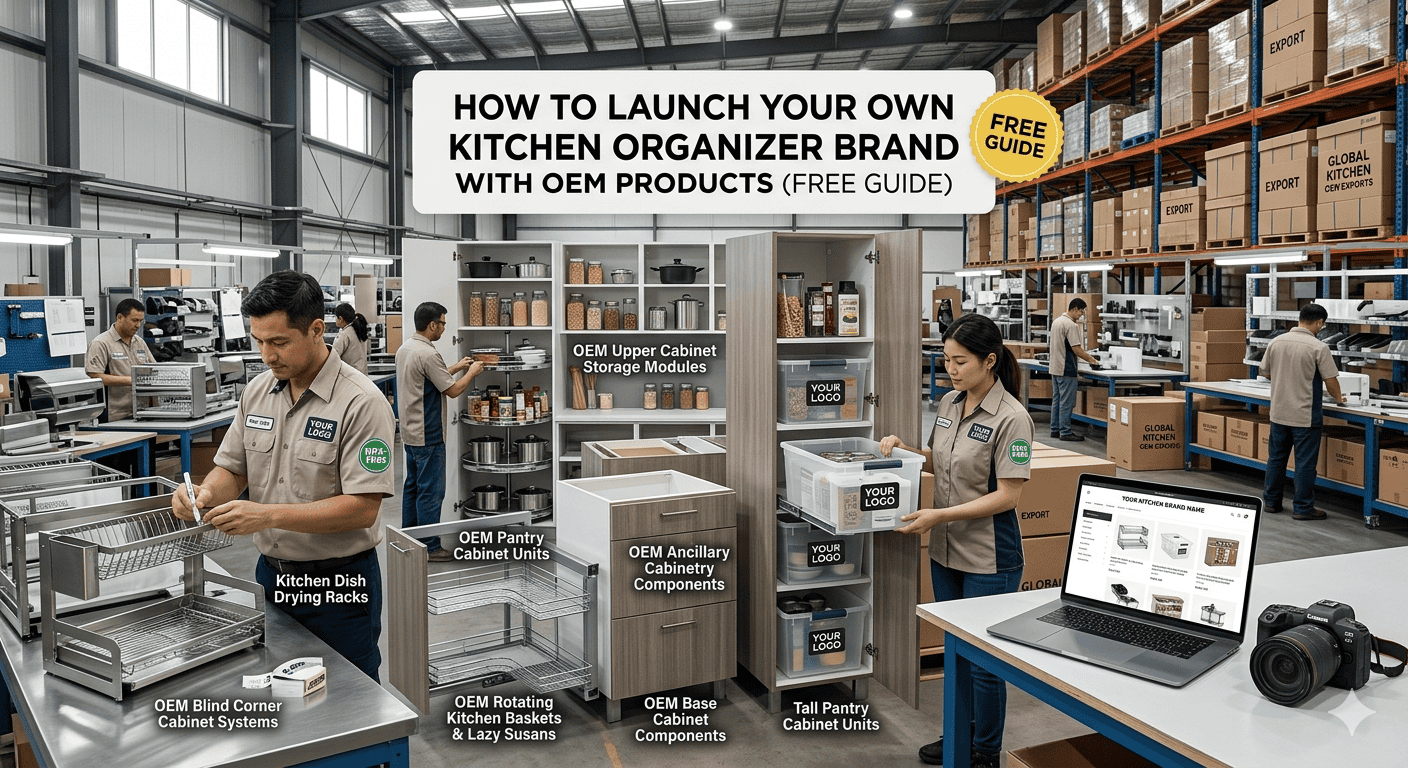
How to Launch Your Own Kitchen Organizer Brand with OEM Products (Free Guide)
How to Launch Your Own Kitchen Organizer Brand with OEM Products (Free Guide)
Starting a kitchen organizer brand is one of the most practical and low-risk ways to enter the home goods industry. With the rapid growth of e-commerce and increasing demand for clean, organized kitchens, products like drawer organizers, spice racks, and storage containers are more popular than ever.
This guide will show you how to build your own kitchen organizer or utensil brand using OEM products—even if you’re starting with zero experience.
What is an OEM Kitchen Organizer Brand?
OEM (Original Equipment Manufacturer) products are ready-made items produced by manufacturers that you can rebrand and sell under your own name. Instead of creating products from scratch, you customize existing designs with your logo, packaging, and overall branding.
Why this model works so well:
Step 1: Choose Your Niche
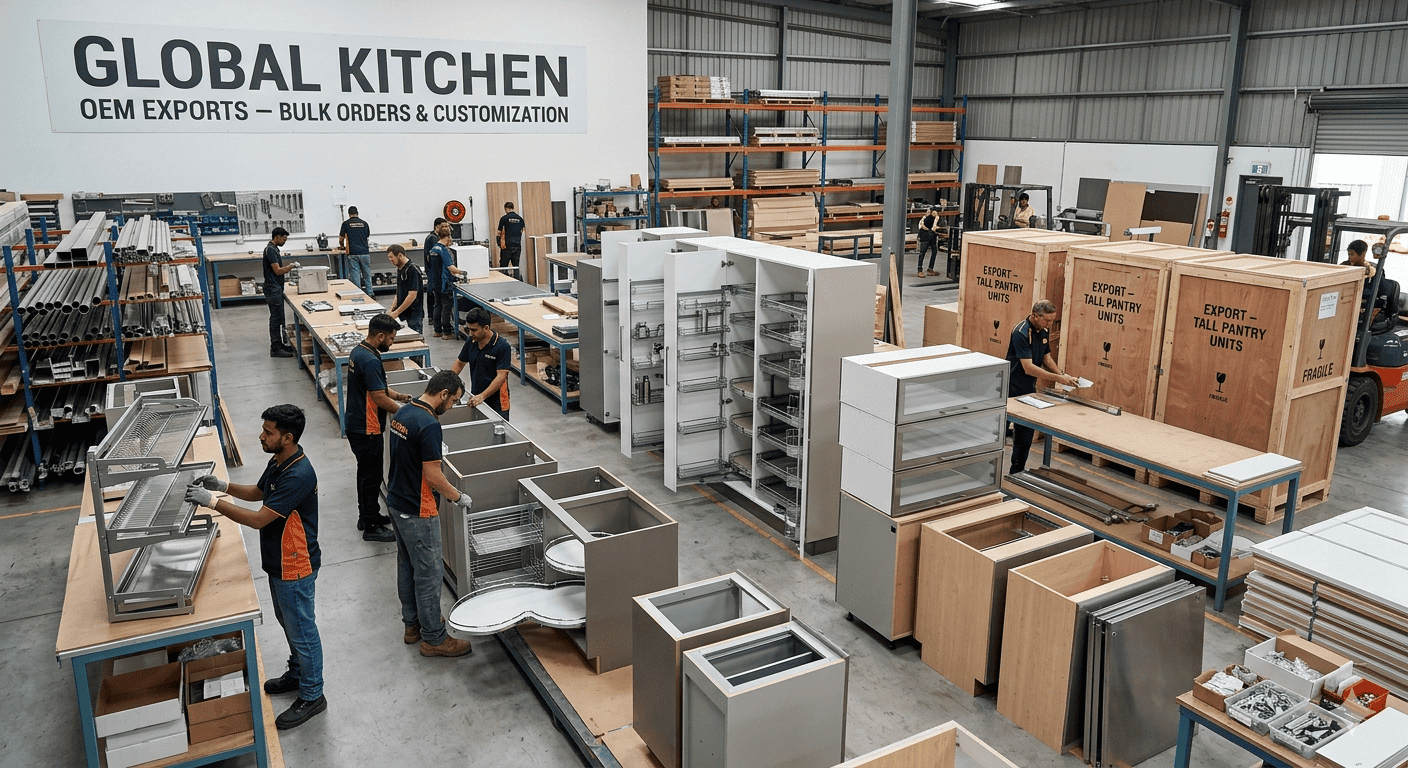
OEM Manufacturer
The kitchen category is broad, so trying to sell everything at once can be overwhelming. It’s better to focus on a specific niche and build authority in that space.
Popular niches include:
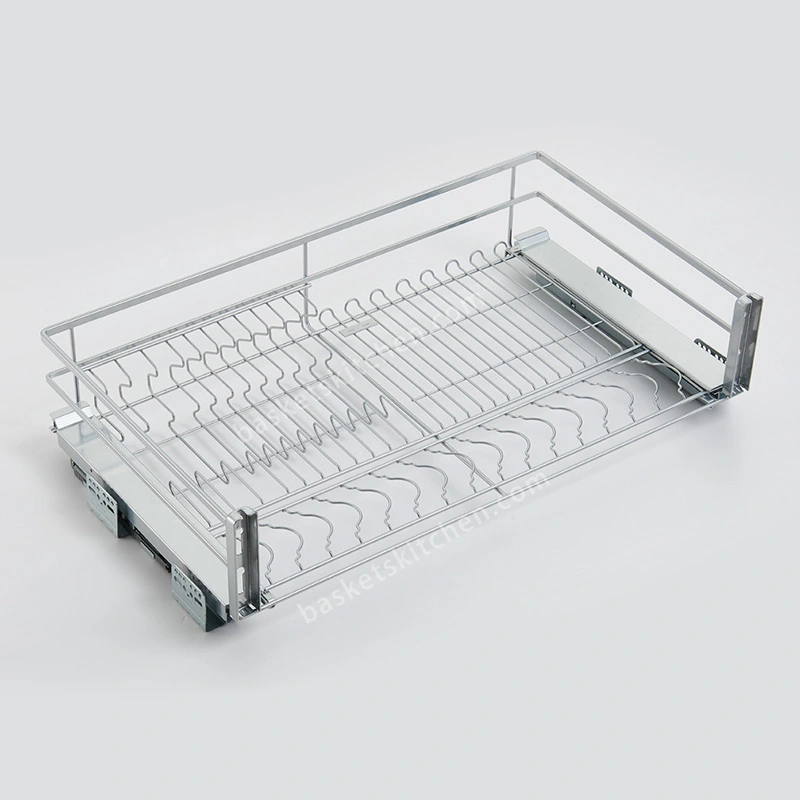
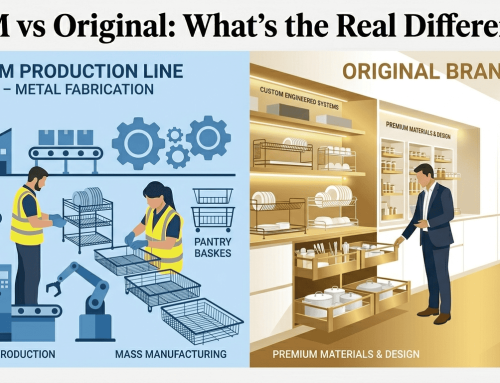
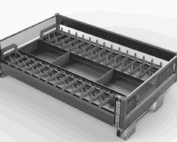
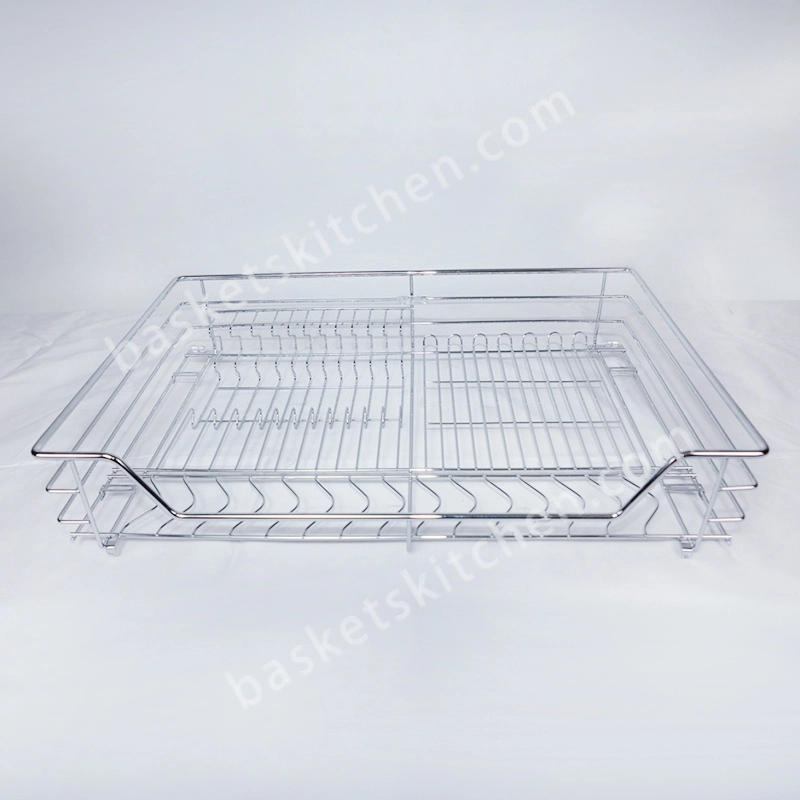
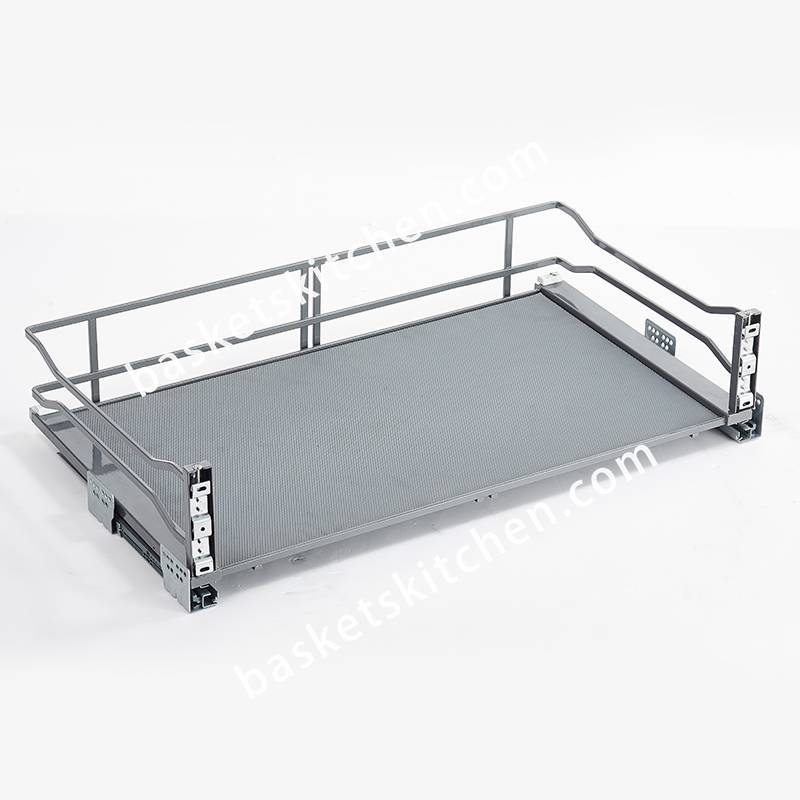
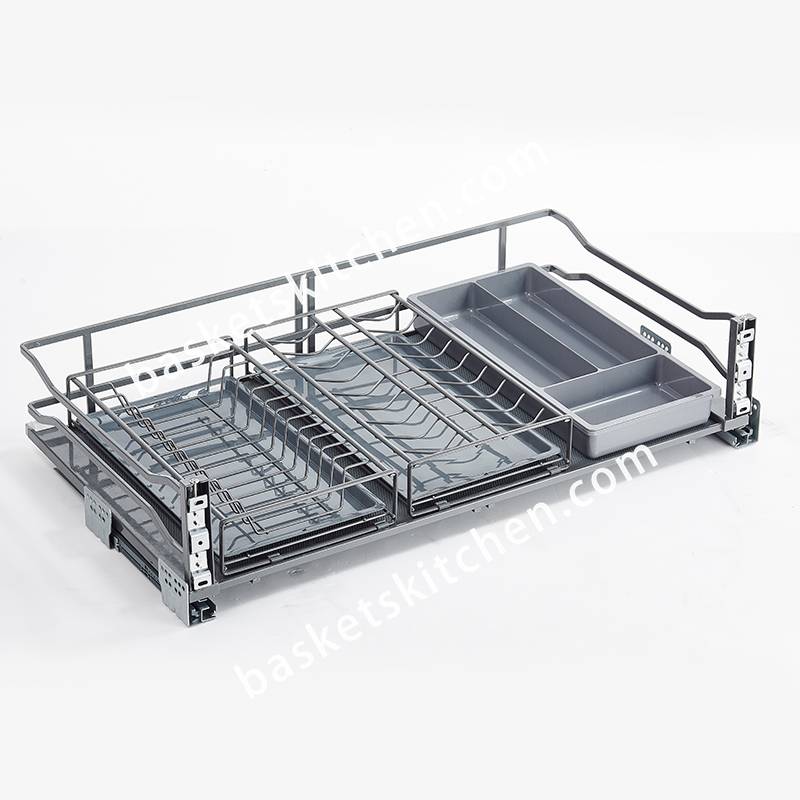
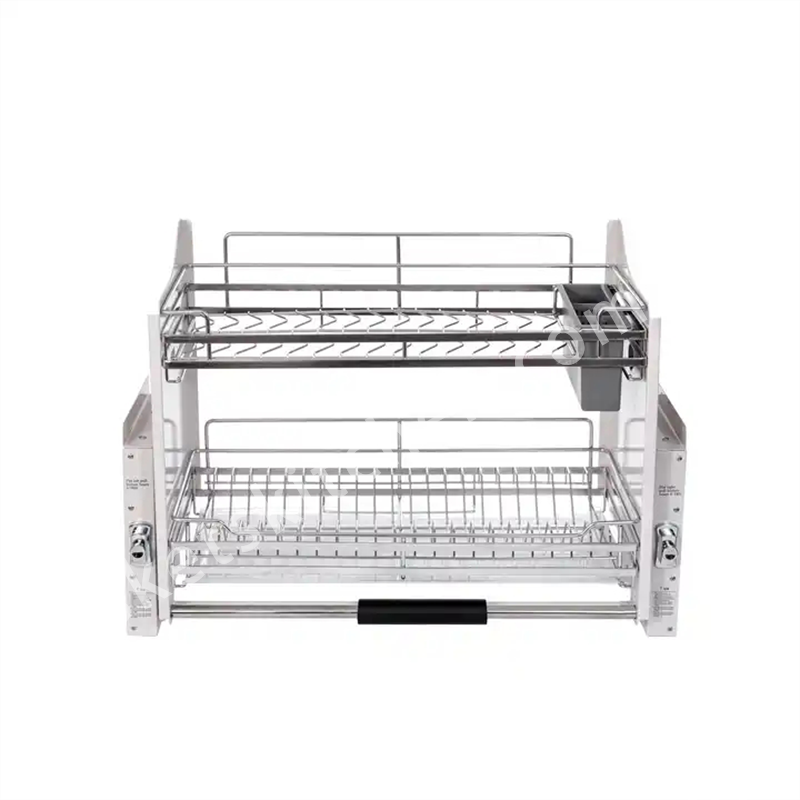
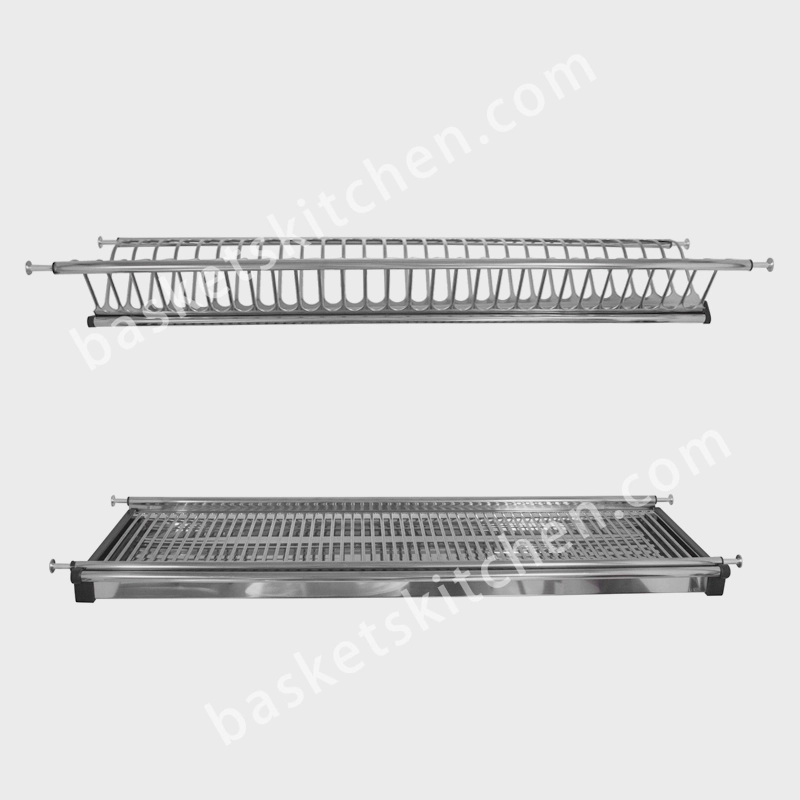
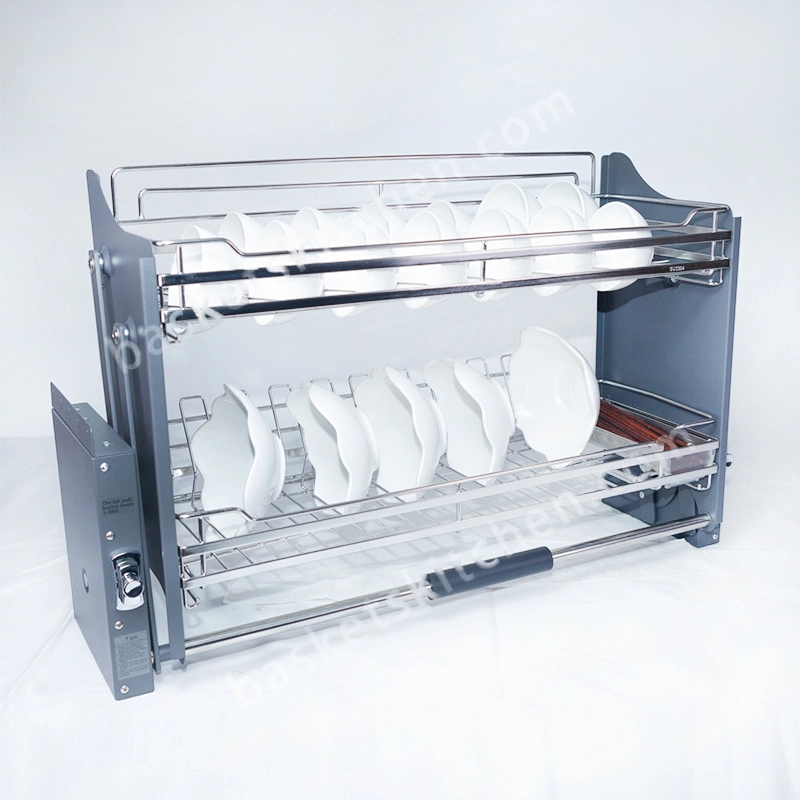
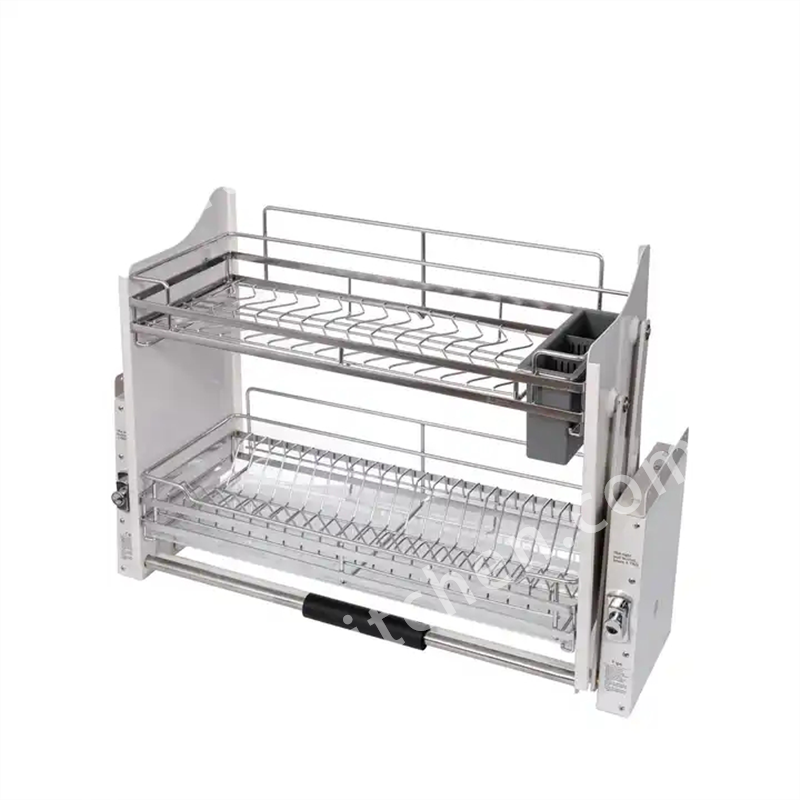
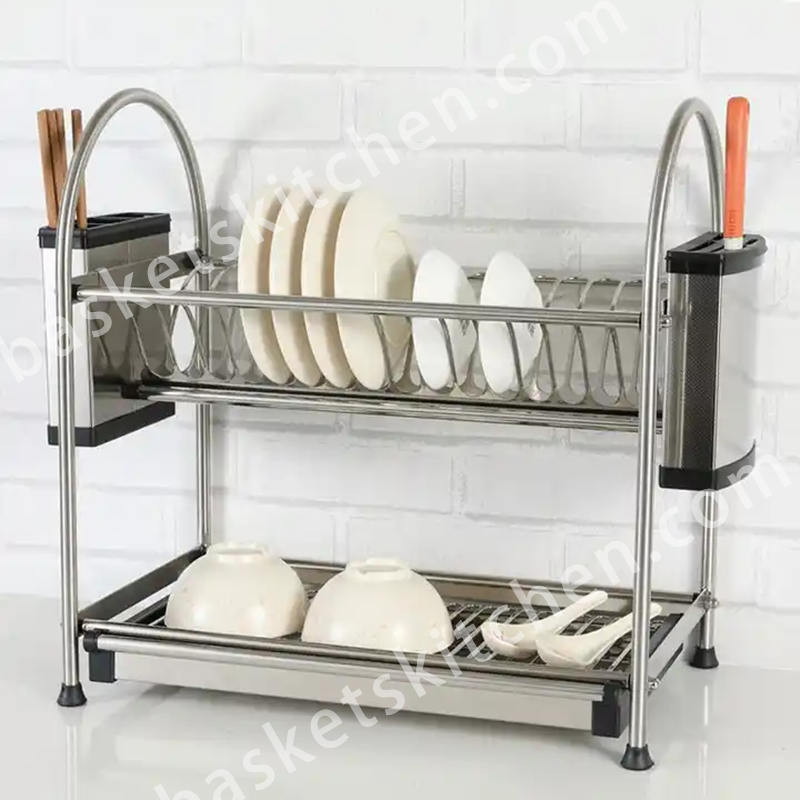
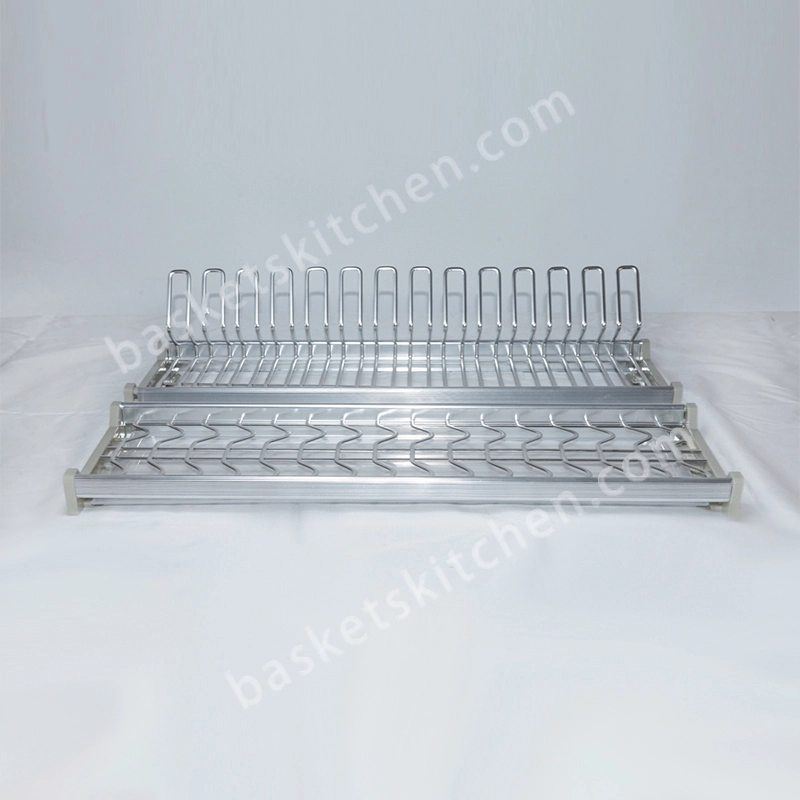
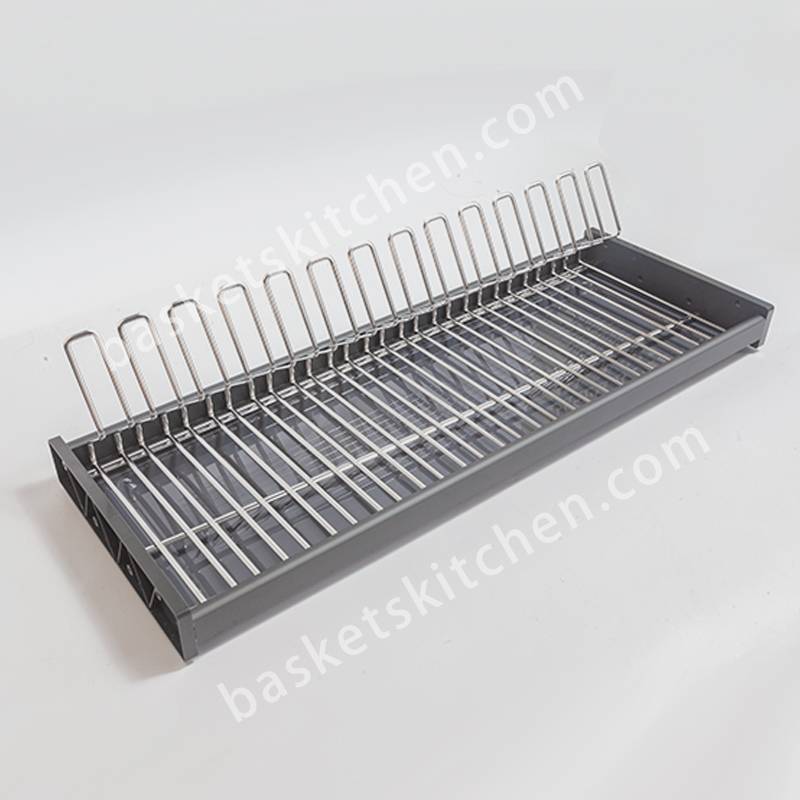
- Kitchen Dish Drying Rack – OEM Manufacturer
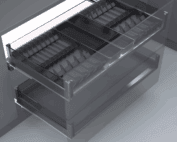
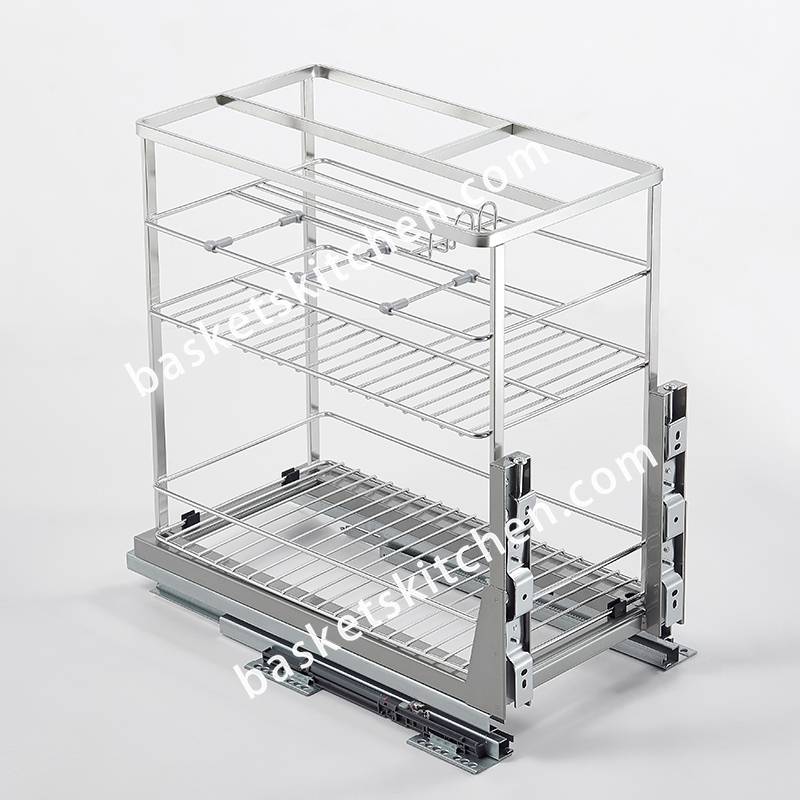
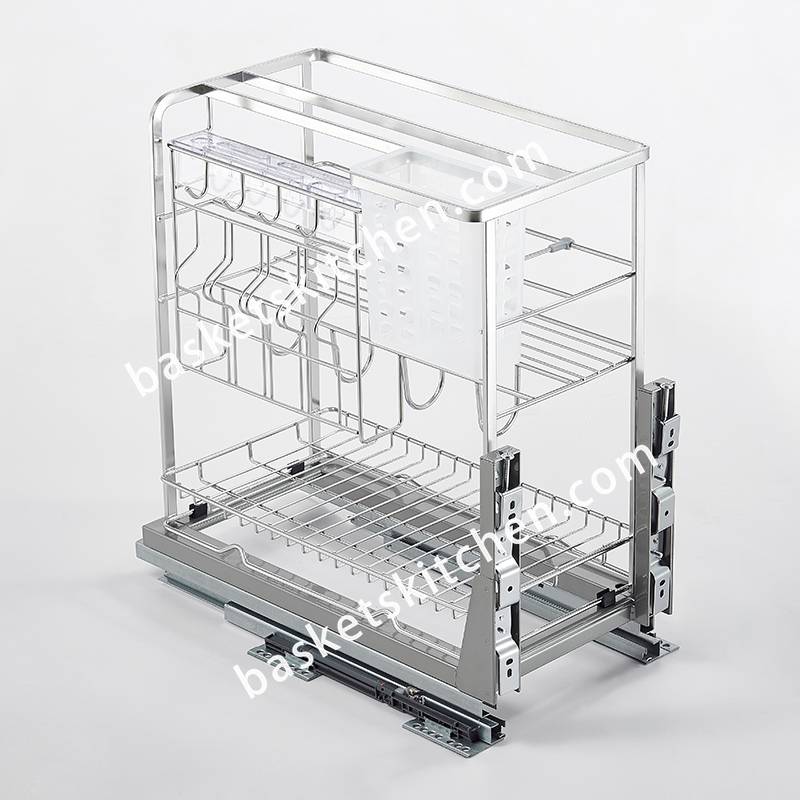
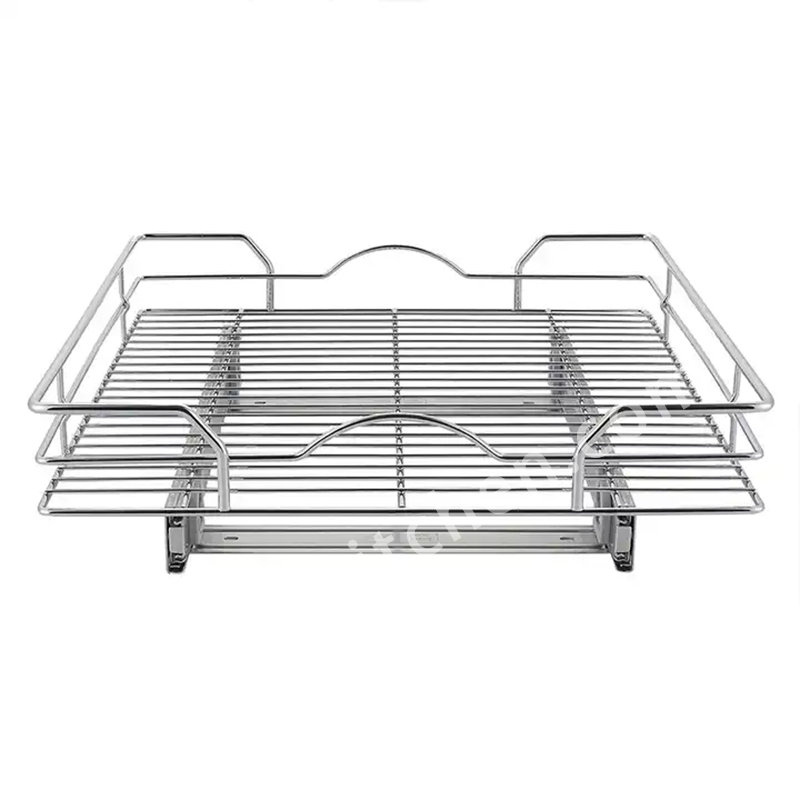
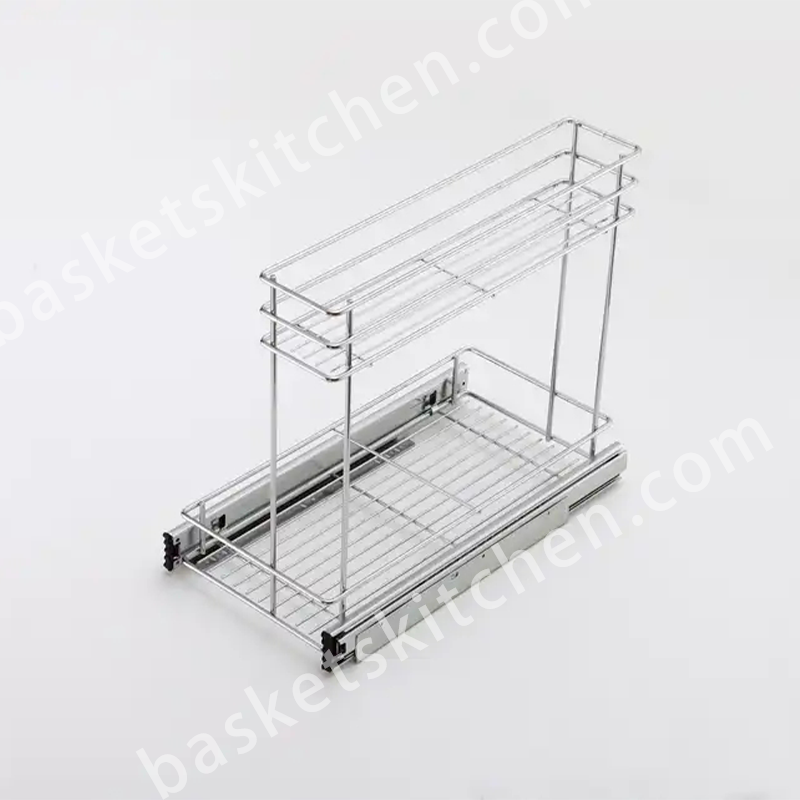
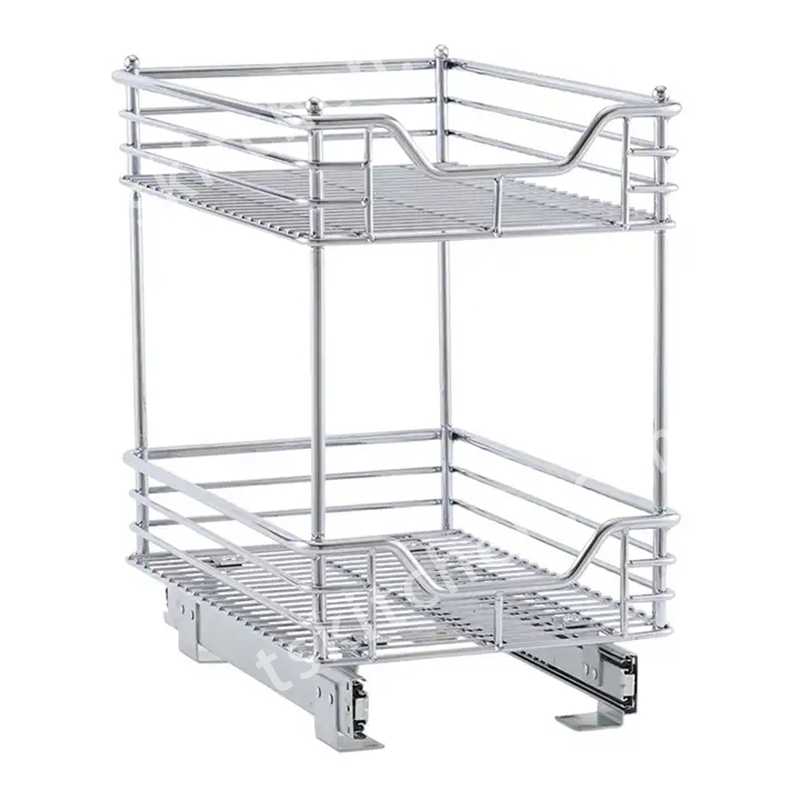
- OEM Ancillary Cabinetry Components
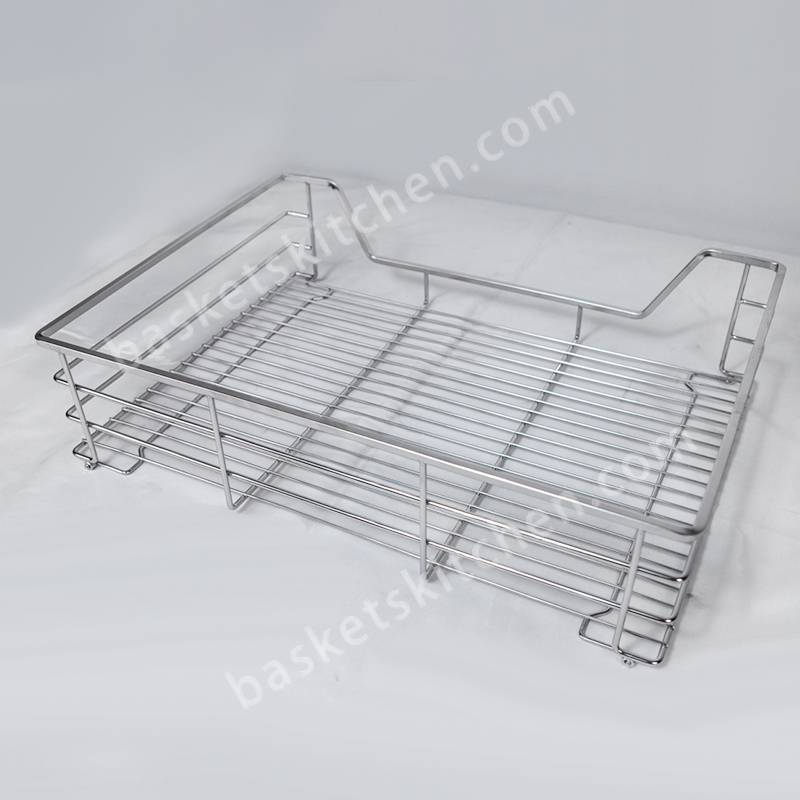
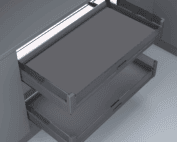
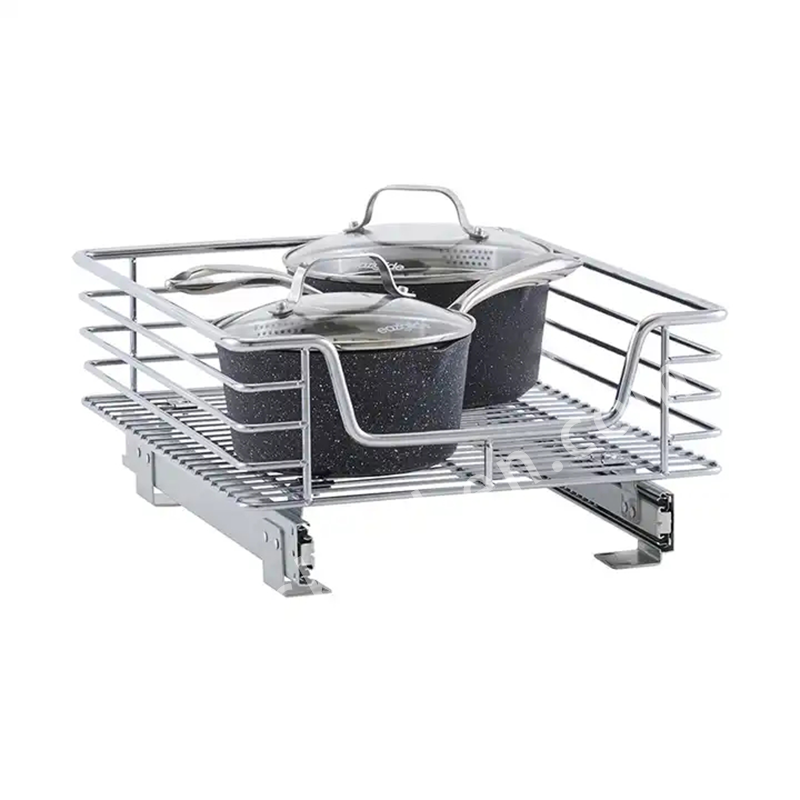
- OEM Base Cabinet Components
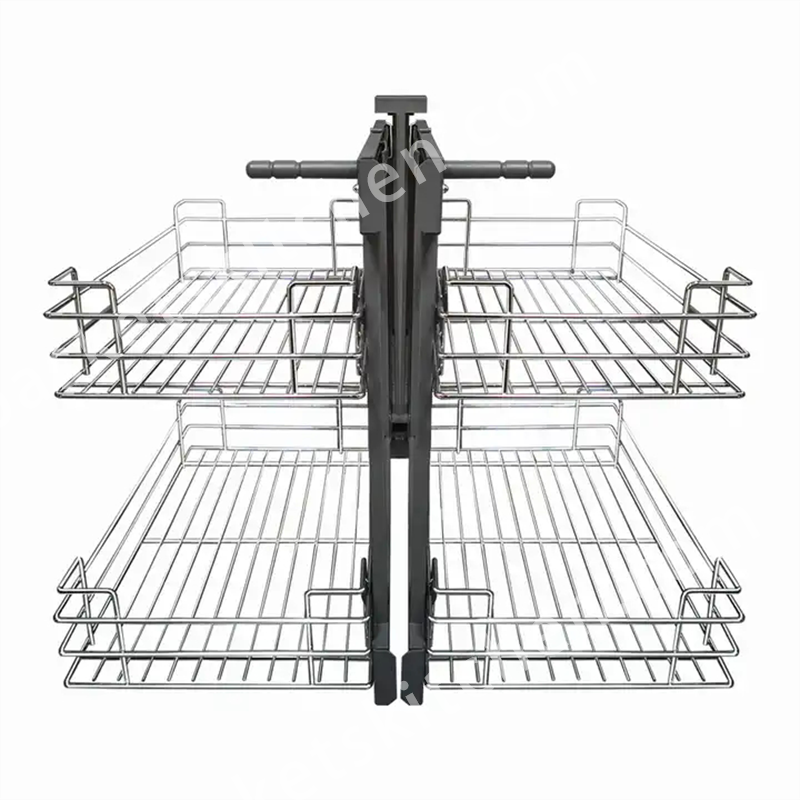
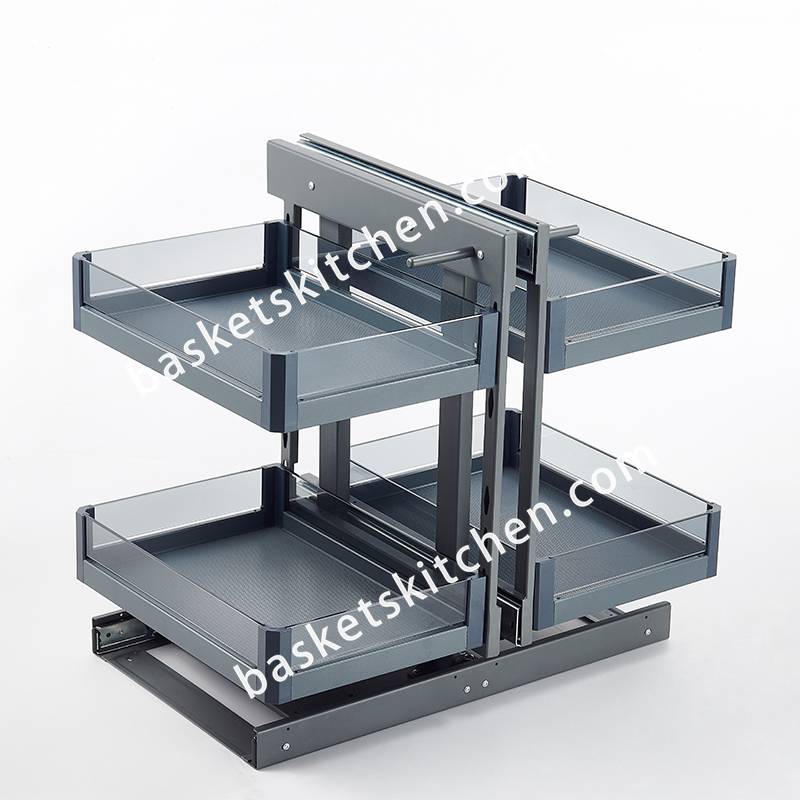
- OEM Blind Corner Cabinet Systems
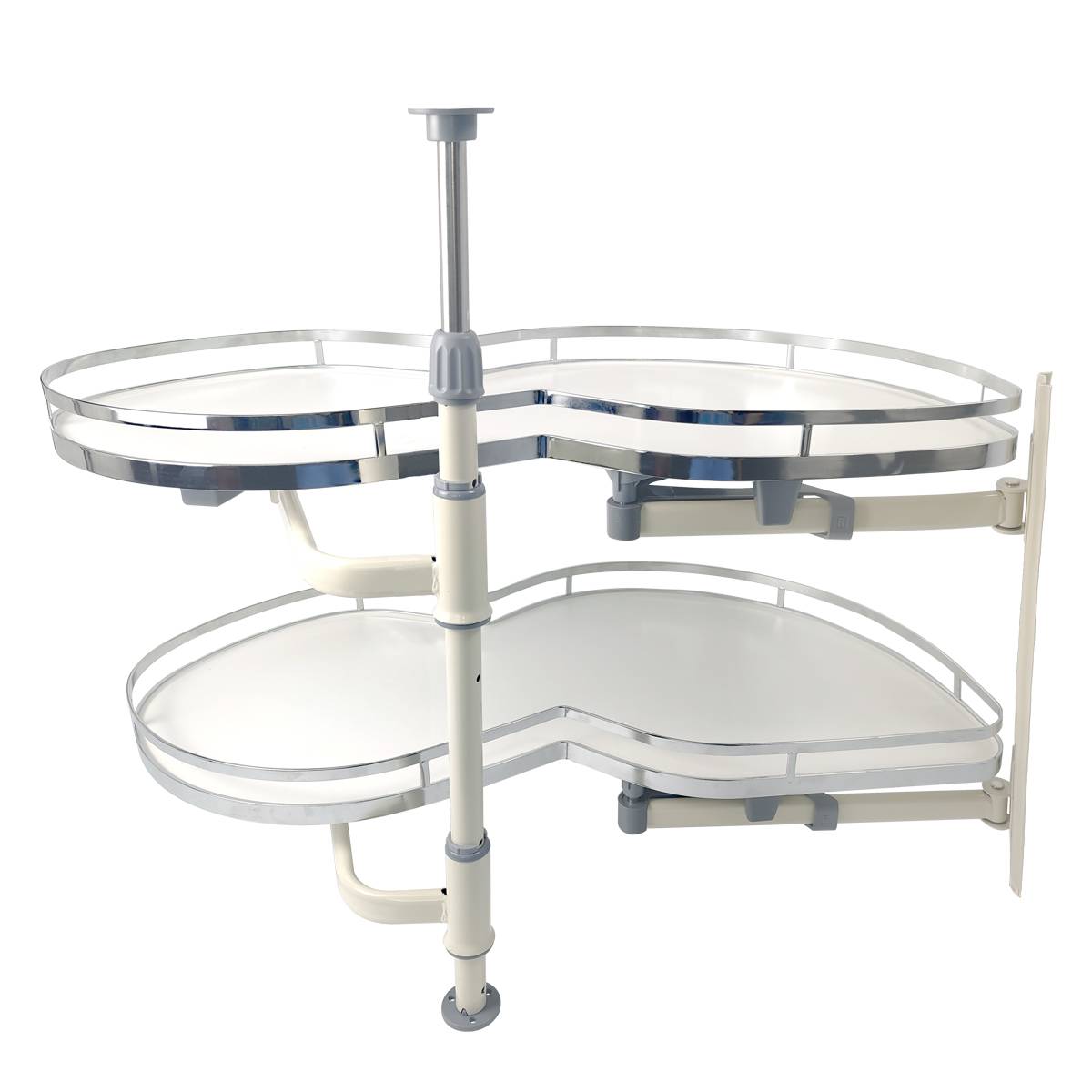
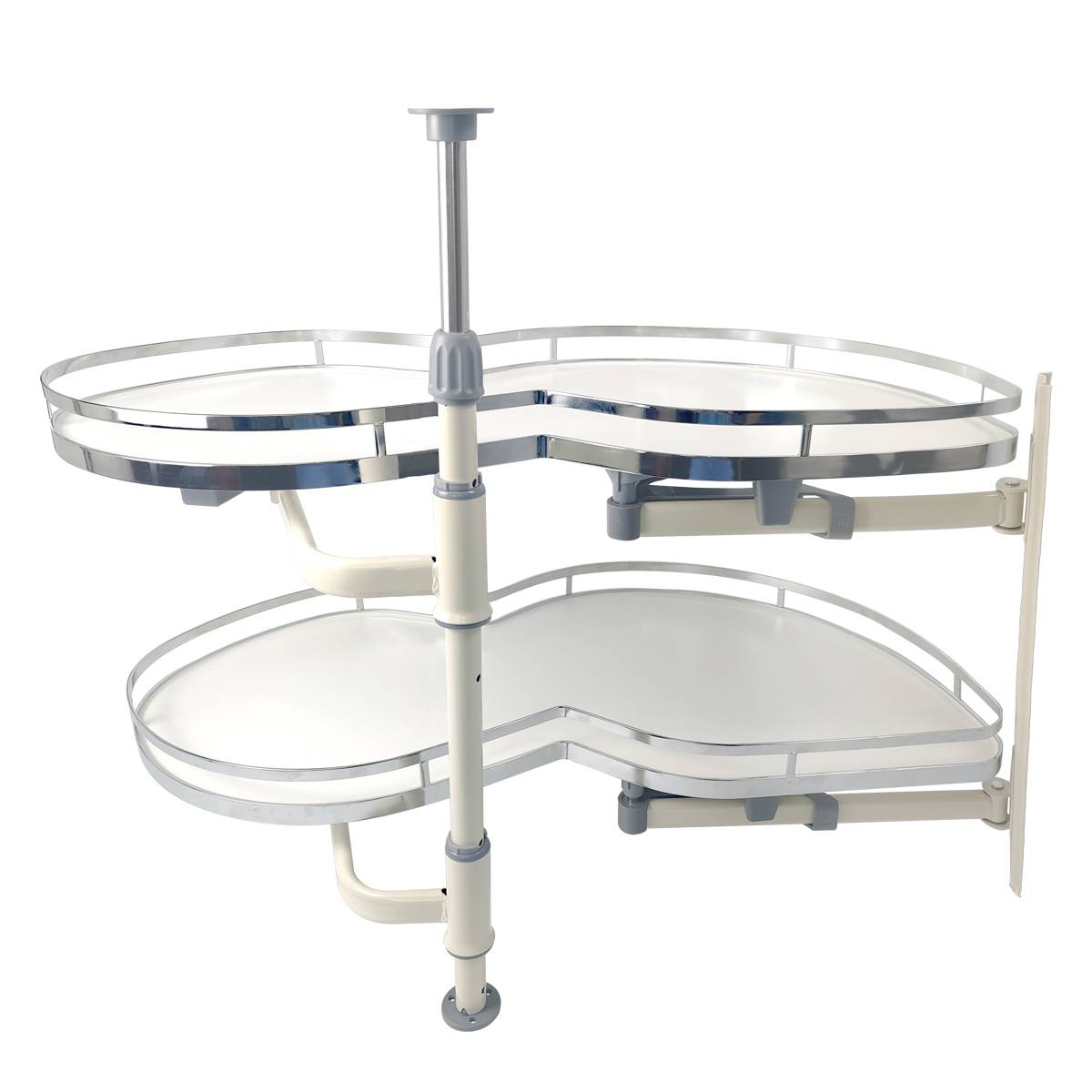
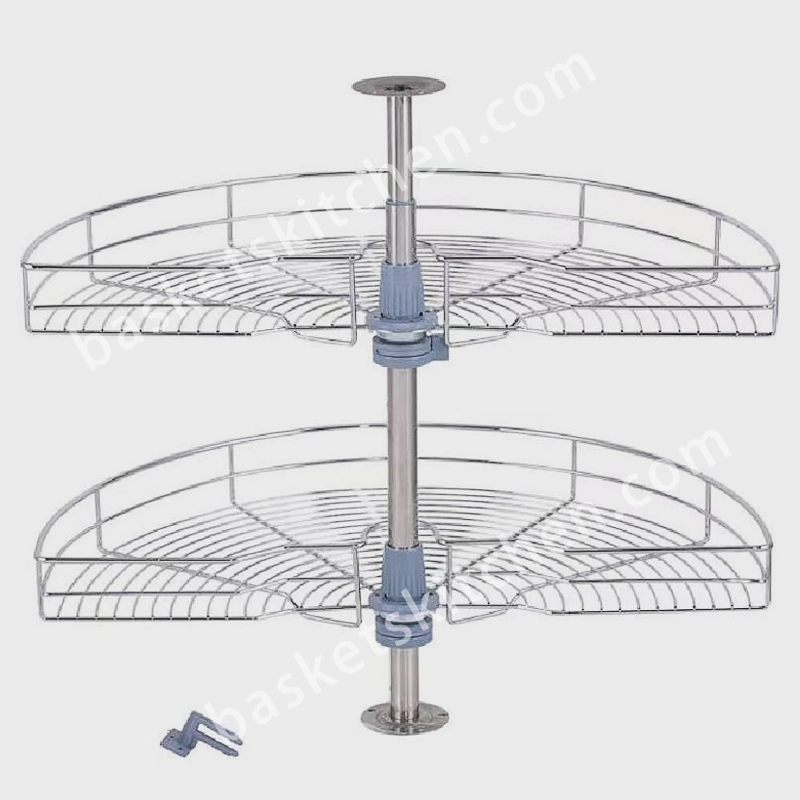
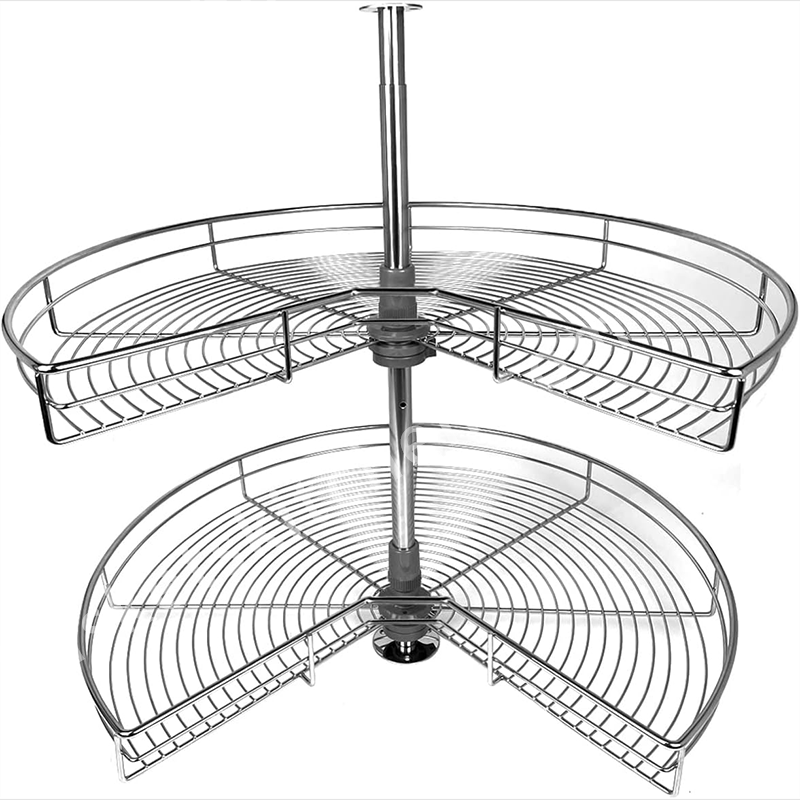
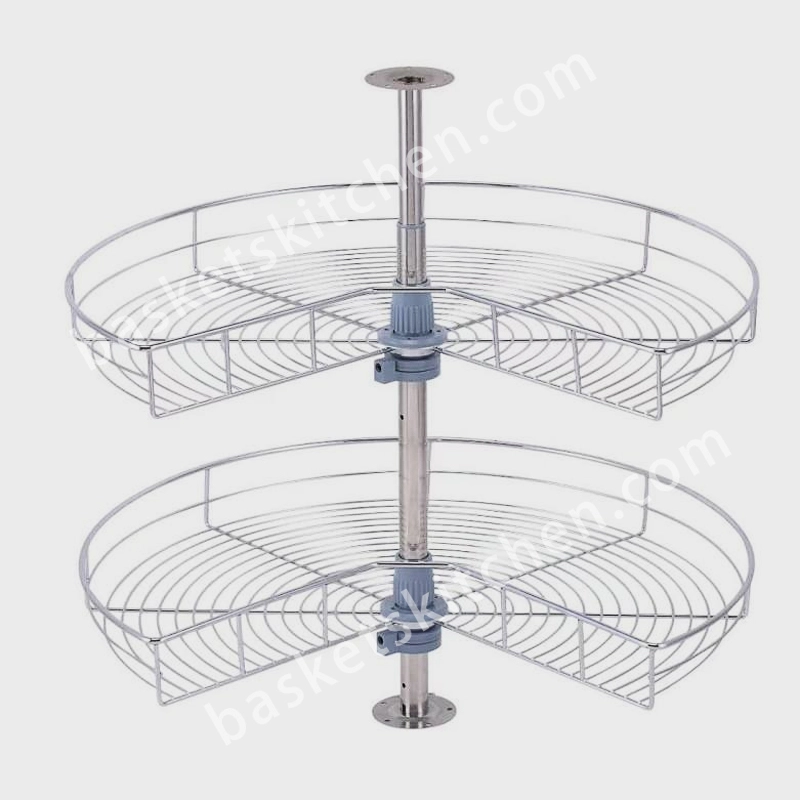
- OEM Rotating Kitchen Baskets & Lazy Susans
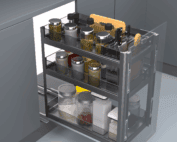
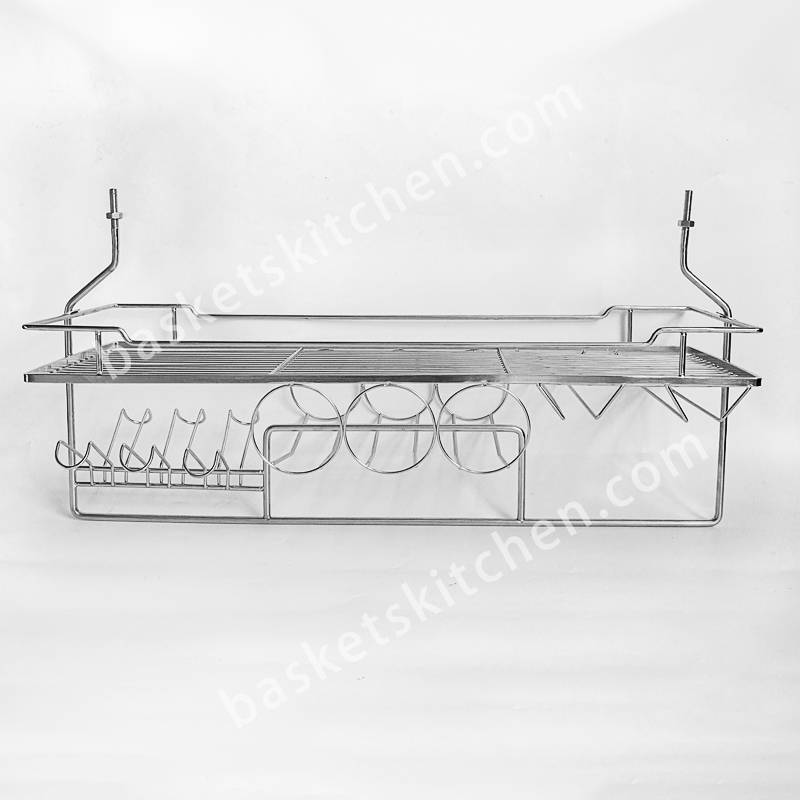
- OEM Upper Cabinet Storage Modules
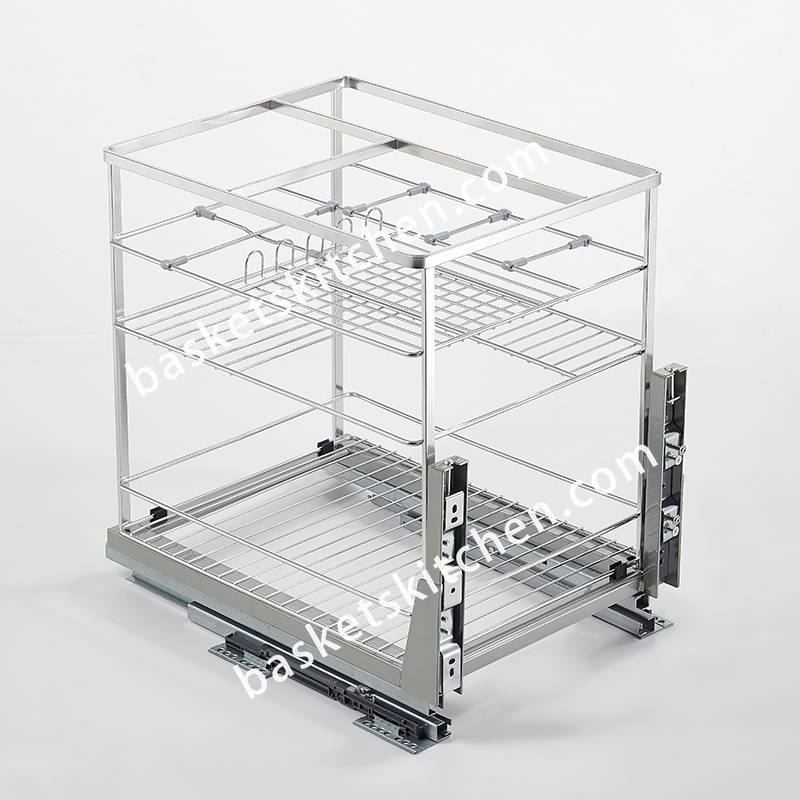
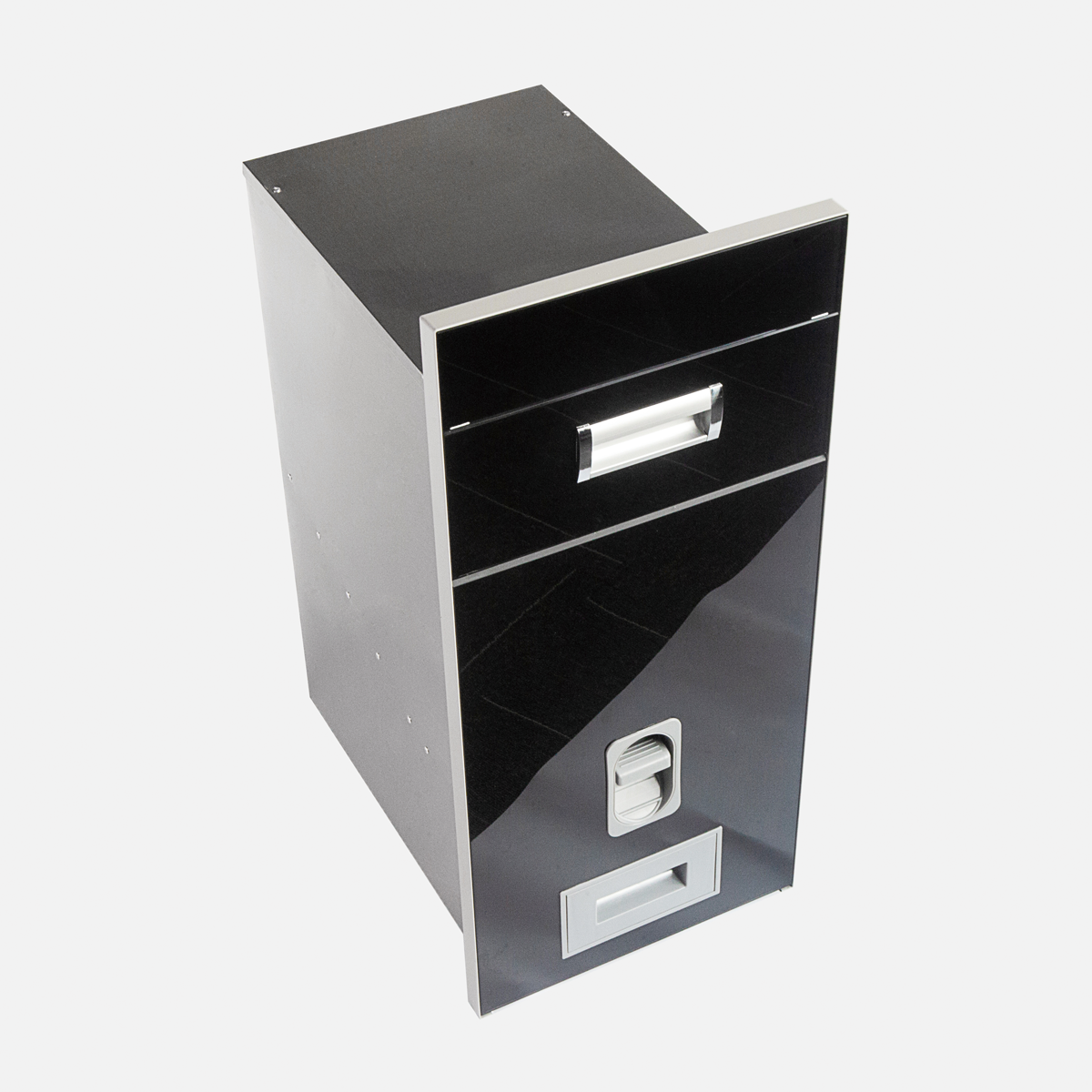
- Tall Pantry Cabinet Units – OEM Manufacturer & Exporter
Pro tip: Choose a niche where you can solve a specific problem, such as organizing small kitchens or maximizing limited storage space.
Step 2: Research the Market
Understanding your target market is the foundation of a successful product strategy. This step helps you identify real customer needs, market gaps, and profitable opportunities. Proper research reduces risk and increases your chances of success.
Before spending money, it’s important to confirm that there’s real demand for your products.
How to research effectively:
Ask yourself:
- What are current products lacking?
- Can I improve design, usability, or packaging?
Step 3: Find OEM Suppliers
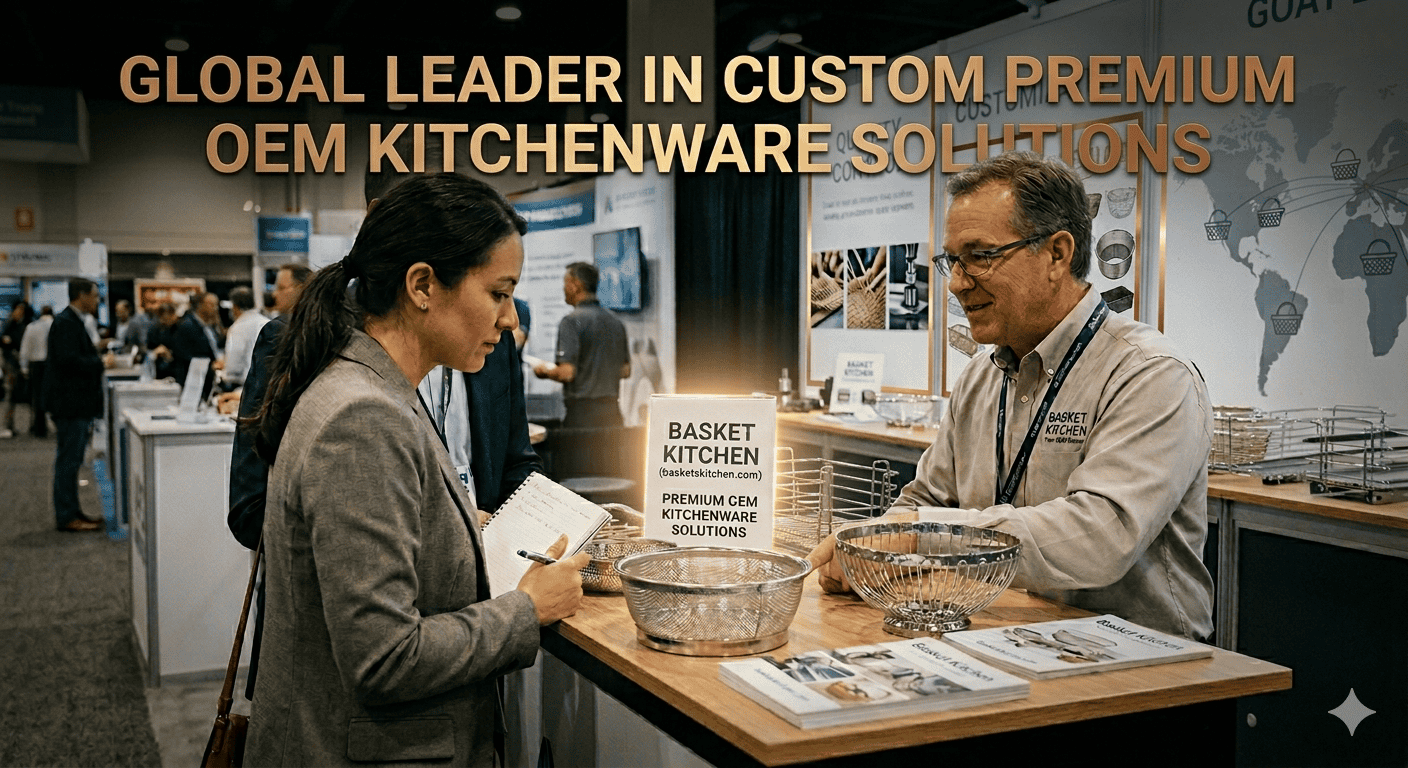
Basket Kitchen
Choosing the right OEM supplier is a key factor that directly impacts your product quality, brand reputation, and long-term growth. A reliable supplier ensures consistent production, customization options, and timely delivery. Partnering with trusted manufacturers like Basket Kitchen (https://basketskitchen.com/) can give you a competitive advantage in the global market.
Your supplier plays a crucial role in your business success.
Where to find reliable suppliers:
- Global Sources
- Local wholesalers
- Trade fairs and exhibitions
- Trusted OEM manufacturers like Basket Kitchen
What to consider:
| Criteria | Description | Purpose / Benefit |
|---|---|---|
| Low Minimum Order Quantity (MOQ) | Suppliers that allow small initial orders | Reduces risk and upfront investment |
| Custom Branding Options | Ability to add logo, packaging, and design customization | Helps build a unique and recognizable brand |
| Product Quality & Certifications | Verified quality standards and proper certifications | Ensures reliability, safety, and customer satisfaction |
| Clear Communication | Fast, professional, and transparent responses from suppliers | Prevents misunderstandings and delays |
| Order Samples First | Test products before committing to bulk orders | Confirms quality and avoids costly mistakes |
Summary:
Choosing the right supplier is critical—prioritize flexibility, quality, and communication to build a reliable and scalable business.
Step 4: Build Your Brand Identity
| Category | Details |
|---|---|
| Step | Step 4: Build Your Brand Identity |
| Purpose | Helps your business stand out in a competitive market, build trust, create emotional connection, and develop long-term customer loyalty. |
| Key Insight | Even when selling OEM products, strong branding makes your products feel unique, premium, and memorable. |
| Why It Matters | A clear brand identity allows you to position your products effectively and attract the right target audience. |
| Focus Areas | • Simple, catchy brand name • Professional logo and consistent color scheme • Attractive, branded packaging • Clear and relatable brand story |
| Example Positioning | • Premium minimalist kitchen brand • Affordable everyday organizer brand • Eco-friendly kitchen solutions |
Quick Tip:
Keep your branding consistent across product, packaging, and marketing—this is what turns a simple product into a real brand.
Step 5: Customize Your OEM Products
Customization is the key to turning standard OEM products into unique, branded offerings that stand out in the market. It allows you to align your products with your brand identity and target audience preferences. Strong customization can significantly increase perceived value and customer loyalty.
Customization is what transforms a generic product into a branded one.
Work with your supplier to adjust:
| Customization Element | Description | Purpose / Benefit |
|---|---|---|
| Logo Printing / Engraving | Adding your brand logo directly onto the product surface | Builds brand recognition and professionalism |
| Packaging (Boxes, Labels, Inserts) | Custom-designed packaging including branded boxes, stickers, and inserts | Enhances unboxing experience and brand identity |
| Product Colors | Offering unique or brand-specific colors for the product | Helps differentiate from competitors |
| Bundles (Sets of Items) | Combining multiple related products into one package | Increases value perception and sales opportunities |
Summary:
These customization strategies help create a strong and recognizable brand identity, making your product stand out in the market.
Step 6: Set Up Your Sales Channels
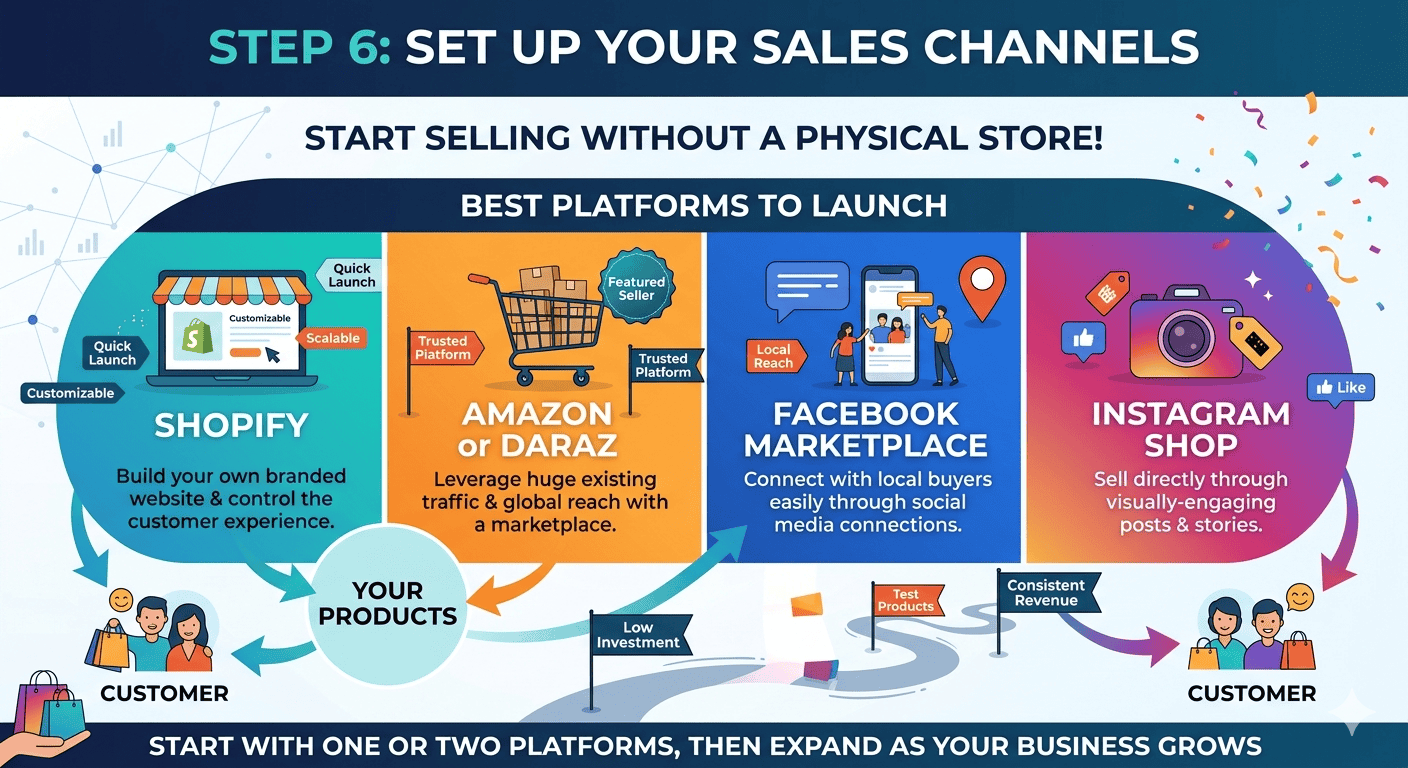
Set Up Your Sales Channels
Choosing the right sales channels is essential for reaching your target customers and generating consistent revenue. Online platforms make it easy to launch quickly with low investment and test your products in real market conditions. A smart channel strategy helps you scale faster and build a strong brand presence.
You don’t need a physical store to start selling.
Best platforms to launch:
- Shopify (your own website)
- Amazon or Daraz
- Facebook Marketplace
- Instagram Shop
Start with one or two platforms, then expand as your business grows.
Step 7: Pricing Strategy
Setting the right price is critical for balancing profitability and competitiveness in the market. A well-planned pricing strategy ensures you cover all expenses while still आकर्षing customers. It also reflects your brand value and positioning in the industry.
Your pricing should cover all costs while ensuring a healthy profit margin.
| Pricing Component | Description | Impact on Selling Price |
|---|---|---|
| Base Cost (Product + Shipping + Packaging) | Total cost to source, deliver, and prepare the product | Forms the foundation of pricing |
| Markup (× 2.5 – 3) | Multiplier applied to base cost to determine selling price | Ensures profit margin and business sustainability |
| Competitor Pricing | Prices set by similar brands/products in the market | Helps stay competitive and avoid overpricing |
| Brand Positioning | Whether your brand is budget, mid-range, or premium | Influences how high or low you can price |
| Discounts & Bundle Offers | Promotions like sales, combos, or bulk deals | Attracts customers and increases sales volume |
Summary:
The formula gives a baseline price, but real success comes from adjusting it based on market competition, brand perception, and promotional strategies.
Step 8: Market Your Brand
Marketing is the driving force behind brand awareness, customer engagement, and sales growth. A strong marketing strategy helps you reach the right audience and showcase the value of your products effectively. Consistent promotion builds trust and keeps your brand top-of-mind.
Marketing is essential for growth and visibility.
Effective strategies include:
| Marketing Method | Description | Purpose / Benefit |
|---|---|---|
| Short-form Videos | Create engaging videos on platforms like TikTok and Instagram Reels | Captures attention quickly and boosts engagement |
| Before-and-After Transformations | Show visual changes (e.g., kitchen makeovers) | Builds trust and highlights product effectiveness |
| Influencer Collaborations | Partner with content creators to promote your products | Expands reach and adds social proof |
| User-Generated Content (UGC) | Encourage customers to share their own photos/videos | Creates authenticity and community trust |
| Facebook Advertising | Run targeted ads on Facebook | Drives traffic and increases conversions |
Summary:
Focus heavily on visual storytelling—real transformations and authentic content perform best and help convert viewers into customers.
Step 9: Start Small and Scale
Starting small allows you to minimize risk and test your products in real market conditions without heavy investment. It helps you understand customer preferences, optimize your strategy, and avoid unnecessary losses. Smart scaling ensures long-term stability and sustainable growth.
Avoid investing too much in the beginning.
| Stage | Action | Purpose / Benefit |
|---|---|---|
| Initial Setup | Start with 2–5 products | Keeps risk low and allows focused testing |
| Initial Setup | Maintain small inventory | Reduces upfront investment and unsold stock risk |
| Initial Setup | Run basic marketing tests | Identifies what works before scaling |
| Growth Phase | Increase inventory | Meets demand for proven products |
| Growth Phase | Expand product range | Attracts more customers and increases revenue streams |
| Growth Phase | Improve branding and packaging | Strengthens brand identity and customer experience |
Summary:
Start lean, test smart, and scale only what proves successful—this minimizes risk while maximizing growth potential.
Step 10: Deliver Great Customer Experience
Providing an exceptional customer experience is the foundation of a successful and sustainable business. Happy customers not only return but also become advocates for your brand, helping you grow organically. Every interaction is an opportunity to build trust and loyalty.
A strong customer experience helps build long-term success.
Key areas to focus on:
- Fast and reliable delivery
- Clear product instructions
- Smooth return process
- Collecting reviews and feedback
Satisfied customers lead to repeat sales and organic growth.
Bonus: Can You Start for Free?
Yes! You can begin your business with minimal investment by taking a lean approach. This allows you to test your ideas, understand customer demand, and validate your products without risking much capital. Starting small gives you flexibility and valuable insights before committing to larger investments.
It’s possible to start with minimal investment using a lean approach:
Ways to start for free:
| Strategy | Description | Purpose / Benefit |
|---|---|---|
| Try Dropshipping with OEM Suppliers | Partner with OEM manufacturers who ship products directly to customers | Eliminates need for upfront inventory |
| Sell via Facebook / Instagram | Use platforms like Facebook and Instagram to test product demand | Validates products before investing in stock |
| Use Free Tools like Canva | Design logos, ads, and packaging using Canva | Saves money on professional design costs |
| Accept Pre-orders | Collect orders before purchasing inventory | Reduces financial risk and ensures demand |
Summary:
These methods help you start with minimal investment, validate demand quickly, and reduce risk before scaling your business.
However, to grow a strong brand, you’ll eventually need to invest in:
- Inventory
- Branding
- Marketing
FAQs – Starting an OEM Kitchen Product Business
- What is an OEM product?
OEM (Original Equipment Manufacturer) products are items made by a manufacturer that you can brand and sell as your own. Customization options like logos, packaging, and colors make the product unique to your brand. - Do I need a lot of money to start?
Not necessarily. You can start with a small investment using dropshipping, pre-orders, or selling on platforms like Facebook and Instagram. Inventory and marketing investments can come later as your business grows. - How do I find reliable OEM suppliers?
Reliable suppliers can be found on platforms like Alibaba, Global Sources, local wholesalers, and trade fairs. Always check for product quality, certifications, MOQ, customization options, and order samples before bulk purchases. - Can I sell OEM products online without a physical store?
Yes. Platforms like Shopify, Amazon, Daraz, Facebook Marketplace, and Instagram Shop allow you to start selling online without a physical store. Start with one or two platforms and expand later. - How much should I price my products?
A basic formula is: Cost (product + shipping + packaging) × 2.5–3 = Selling price. Also consider competitor pricing, your brand positioning, and special offers like bundles or discounts. - How do I make my OEM products stand out?
Customization is key. Add your logo, design attractive packaging, choose unique product colors, and create bundles. Strong branding and marketing help your products differentiate in a competitive market. - How can I market my kitchen products effectively?
Focus on visual content such as short videos, before-and-after transformations, influencer collaborations, user-generated content, and paid ads on Facebook, Instagram, or TikTok. Engaging visuals drive customer trust and sales. - Why is customer experience important?
A great customer experience builds trust, encourages repeat purchases, and generates positive reviews. Fast delivery, clear instructions, easy returns, and active feedback collection create long-term growth and organic brand recognition.
Final Thoughts
Launching a kitchen organizer brand with OEM products is one of the simplest ways to enter e-commerce today. You don’t need a factory, a large budget, or years of experience. With the right approach, even small steps can lead to a thriving business.
What matters most is:
| Success Factor | Description | Why It Matters |
|---|---|---|
| Choosing the Right Niche | Focus on a specific market segment with clear demand | Helps target the right audience and reduce competition |
| Building a Strong Brand | Create a memorable identity through design, messaging, and consistency | Builds trust, loyalty, and long-term recognition |
| Selecting the Right Products | Pick high-demand, problem-solving, or trending products | Increases chances of sales and customer satisfaction |
| Consistent Marketing | Regularly promote products through ads, content, and social media | Drives traffic, engagement, and sustained growth |
Summary:
Success comes from the combination of smart product choices, strong branding, and consistent visibility in the market.
When done correctly, you can turn simple kitchen products into a profitable and scalable business. Focus on quality, customer satisfaction, and smart growth strategies, and your brand can stand out in the competitive kitchen products market.
About the author : Maruf Hossain

Related Posts
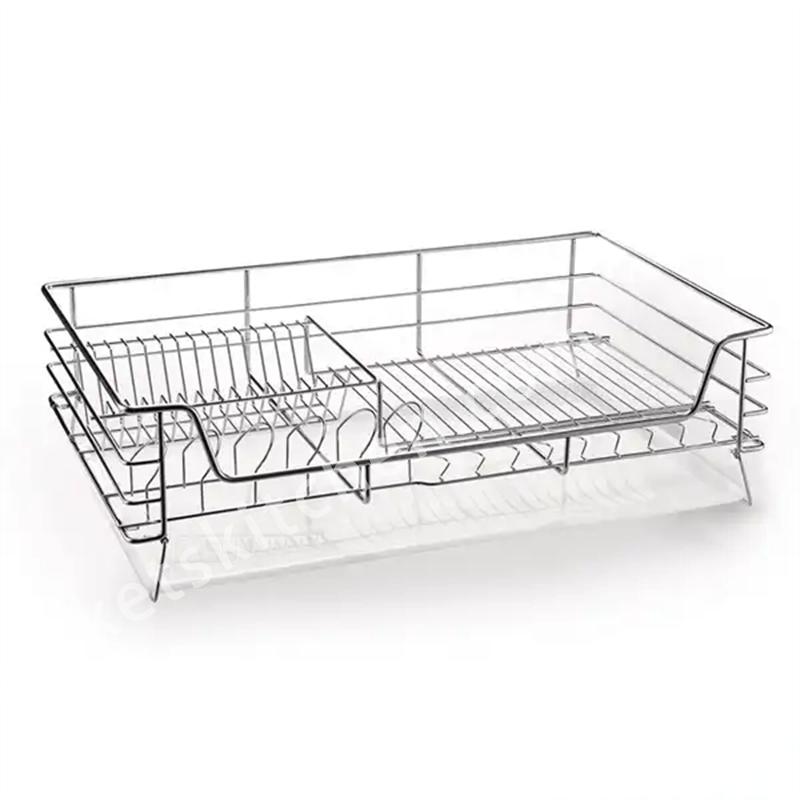
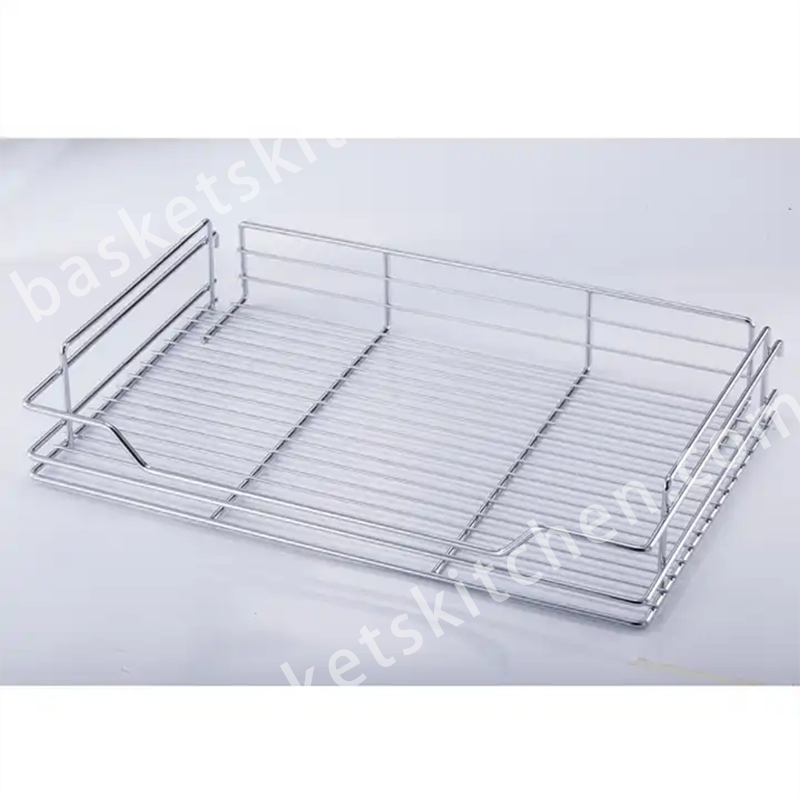
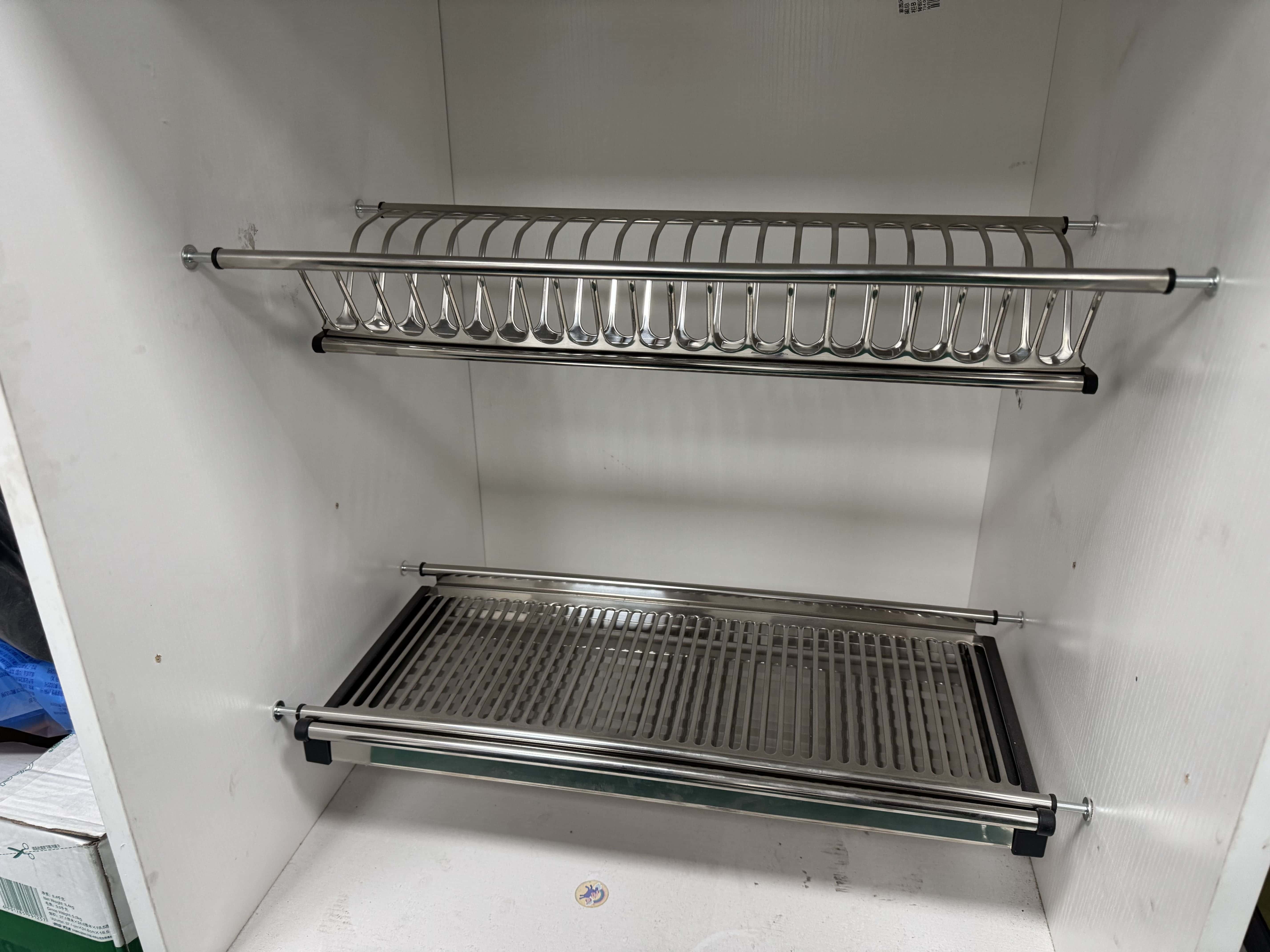
Our OEM/ODM Kitchen Basket Category List
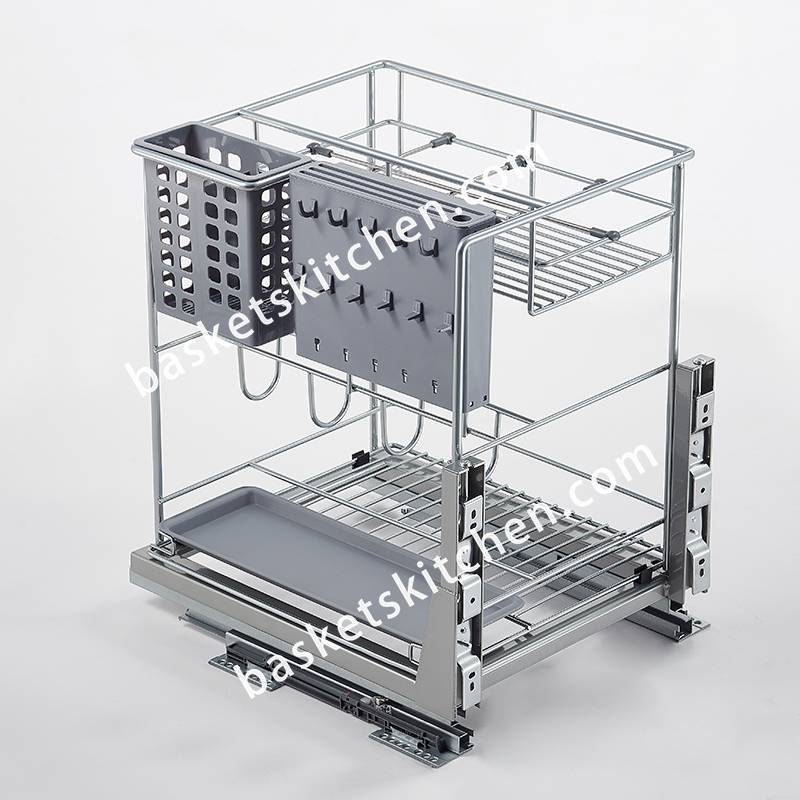
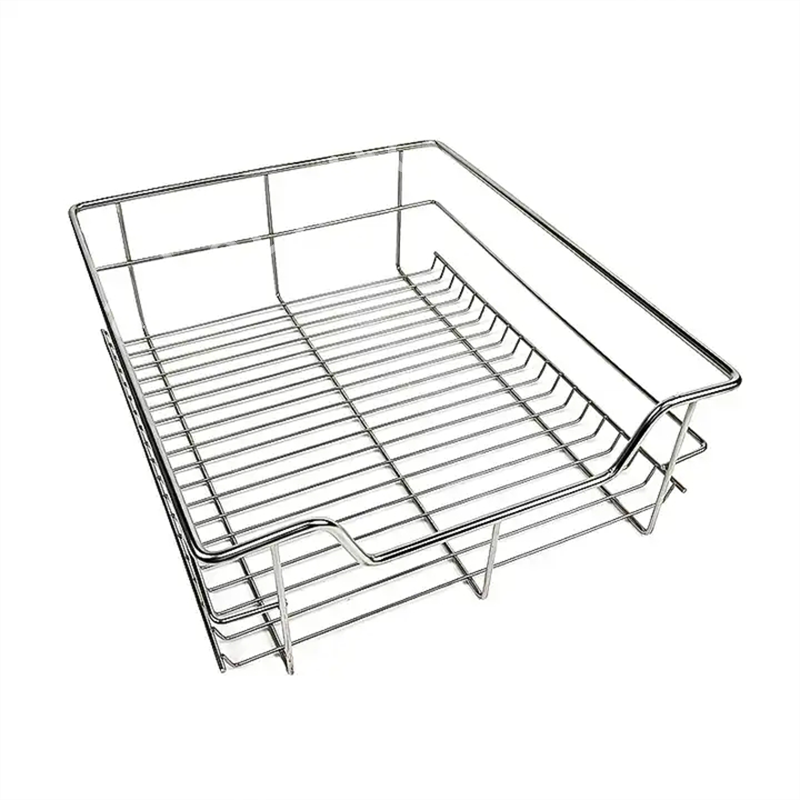
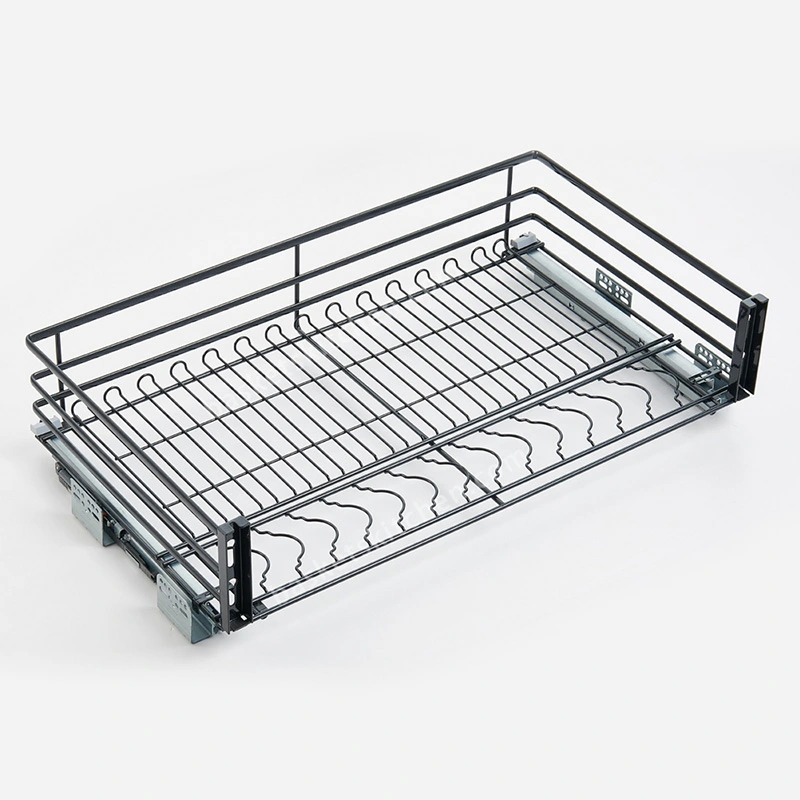
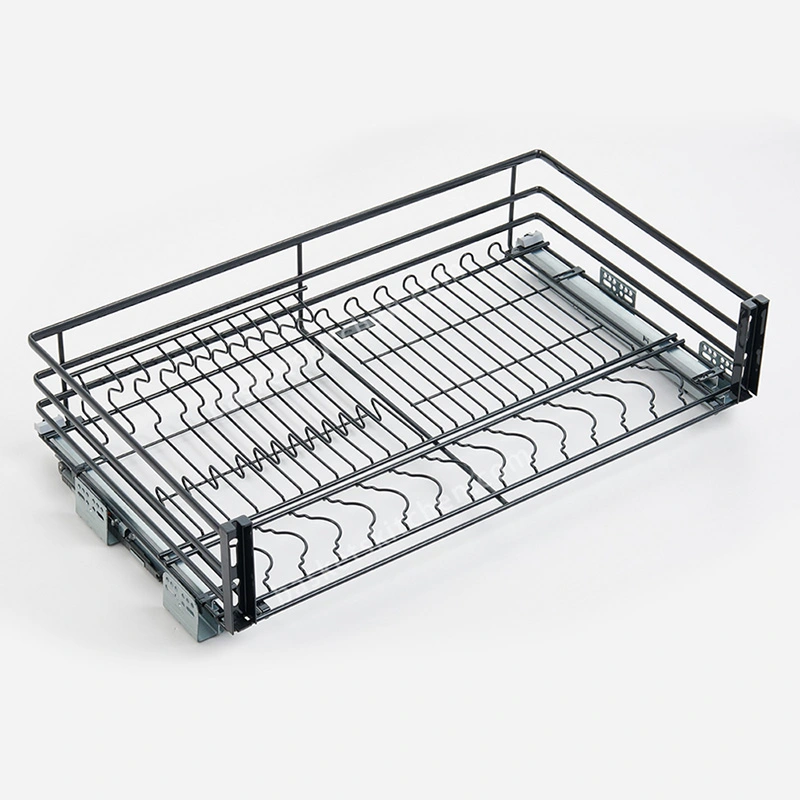
OEM Blind Corner Cabinet
Systems (6)

OEM Rotating Kitchen Baskets &Lazy Susans (3)
Kitchen Dish Drying Rack - OEM Manufacturer (2)
OEM Ancillary Cabinetry Components (4)