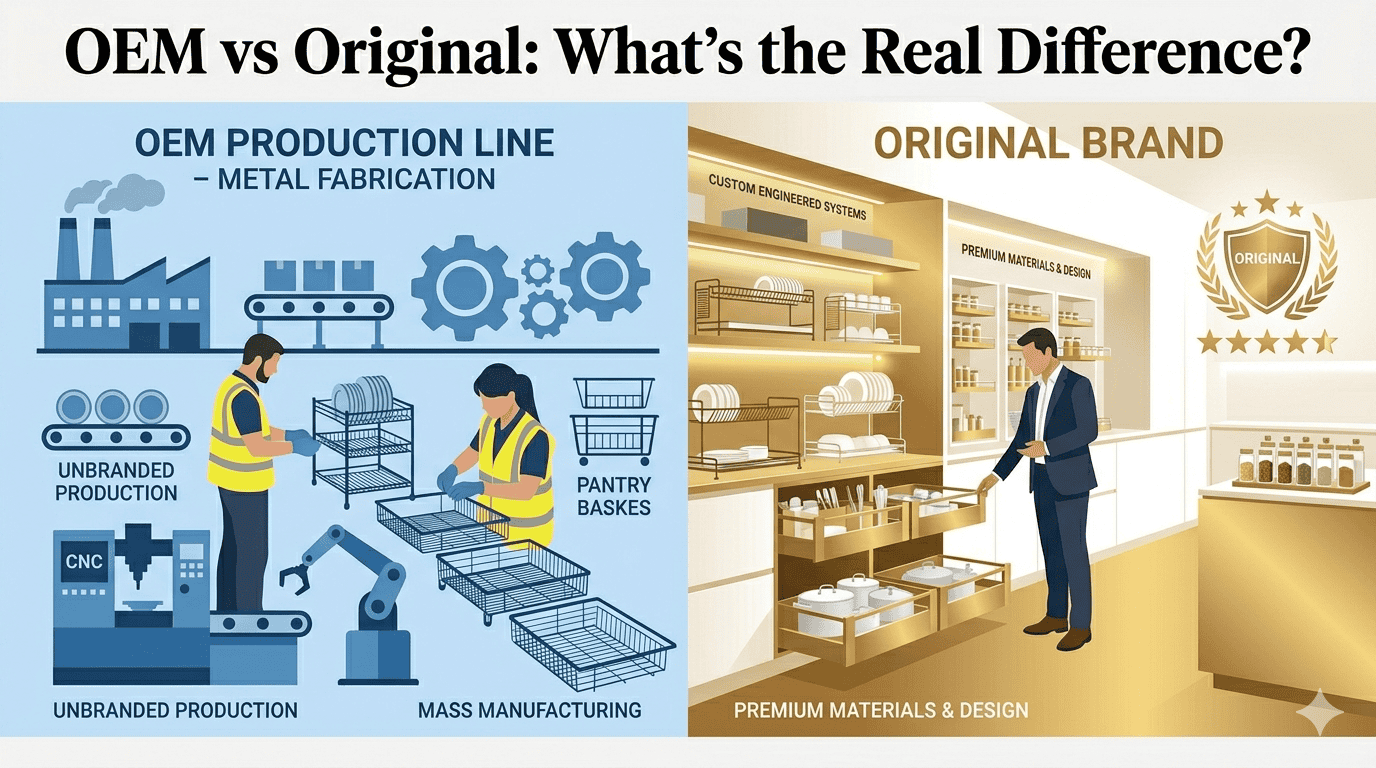
OEM vs Original: What’s the Real Difference?
In today’s global market, especially in industries like kitchen storage, electronics, and furniture, the terms OEM and Original are widely used. Many people hear these terms but still feel confused about their real meaning. Understanding the difference is very important for both buyers and business owners.
This guide will clearly explain OEM vs Original in a simple way. It will help you make better decisions whether you are starting a business or buying a product for personal use. Let’s break it down step by step.
What is OEM?
OEM (Original Equipment Manufacturer) refers to a company that manufactures products or components which are later sold under another brand name. In this model, the manufacturing and branding are handled by different companies.
In simple words, OEM means the factory produces the product, but another business sells it under its own brand. This is very common in global industries where brands focus on marketing rather than manufacturing.
Example:
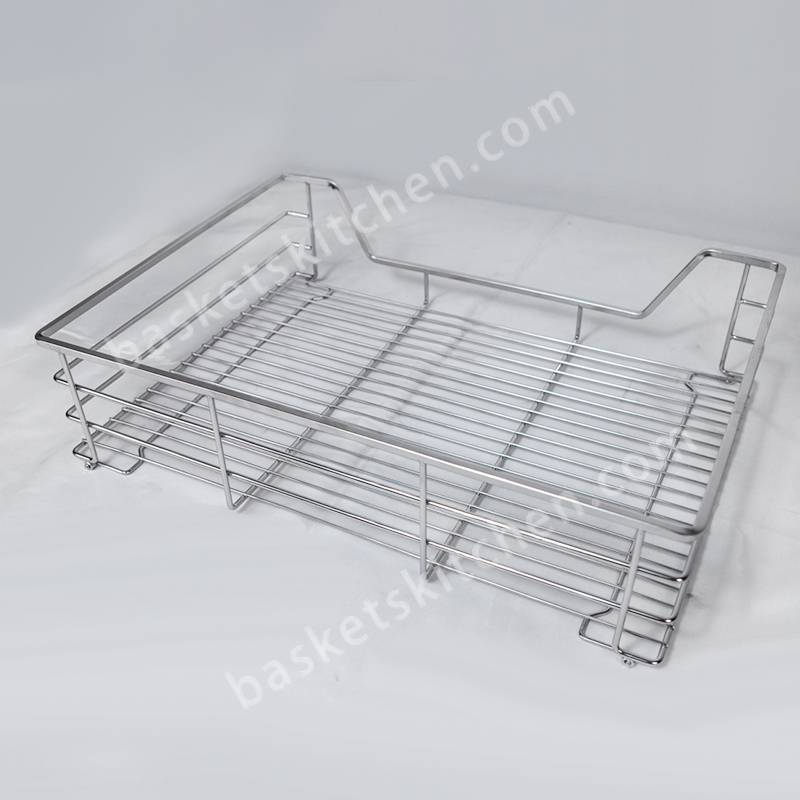
A factory produces kitchen baskets, drawer organizers, or pantry cabinets. Another company buys these products, adds its own logo, and sells them as part of its brand.
Key Features of OEM:
- Manufactured by a third-party factory, not the brand owner
- Products are sold under different brand names in the market
- High level of customization is often possible for branding
- Usually more affordable compared to branded products
- Widely used by startups and new business owners
What is Original (Branded Product)?
An Original product is one that is designed, manufactured, and sold by the same company under its own brand identity. In this case, the company controls the entire process from production to marketing.
This means the brand is fully responsible for product quality, design, packaging, and customer experience. Original products are usually associated with strong brand trust and recognition.
Example:
A well-known company designs and produces its own kitchen storage solutions and sells them directly under its brand name in the market.
Key Features of Original Products:
- Produced and sold by the same company under one brand
- Strong brand reputation and market trust
- Generally higher price due to branding and quality control
- Fixed product designs with limited customization options
- Consistent quality across all products
OEM vs Original: Quick Comparison
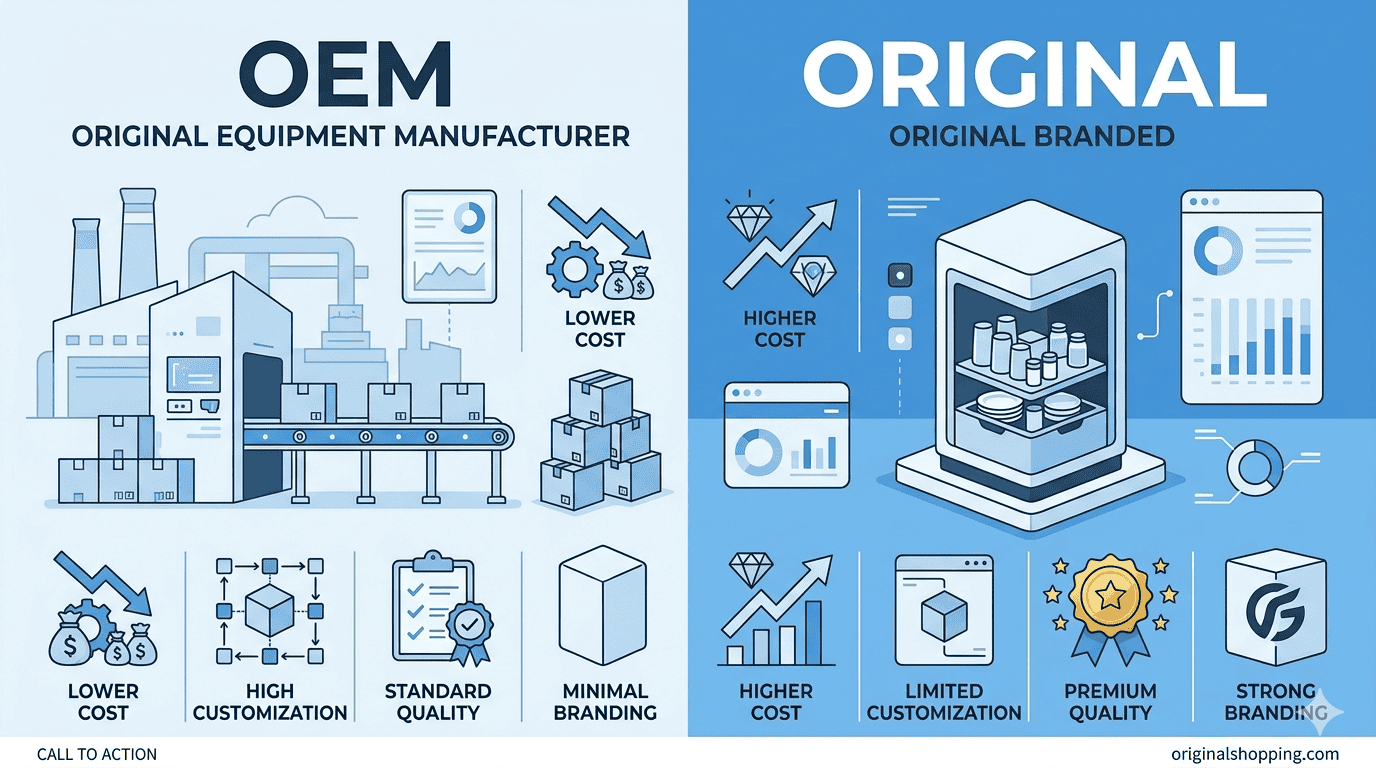
OEM vs Original: What’s the Real Difference?
| Feature | OEM Product | Original Product |
| Manufacturer | Third-party factory | Same brand company |
| Branding | Your brand / reseller brand | Company’s own brand |
| Cost | Lower production cost | Higher due to branding |
| Customization | High flexibility | Limited customization |
| Business Use | Best for startups & resellers | Best for end consumers |
| Brand Value | You build your own brand | Already established brand |
This comparison shows that OEM is more business-focused, while Original products are more consumer-focused. Both have their own advantages depending on your goal.
OEM vs ODM vs Original (Important for Beginners)
Many beginners confuse OEM with ODM and Original products. Understanding all three helps you choose the right business model.
OEM means you customize a product and sell it under your brand. ODM means the factory already has a design and you only add your branding. Original means the company fully owns the product from design to sales.
Understanding OEM, ODM, and Original is important before starting a business.
OEM allows full customization, ODM offers ready-made designs, and Original means full brand ownership.
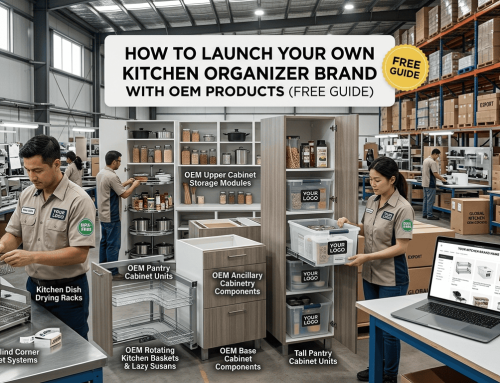
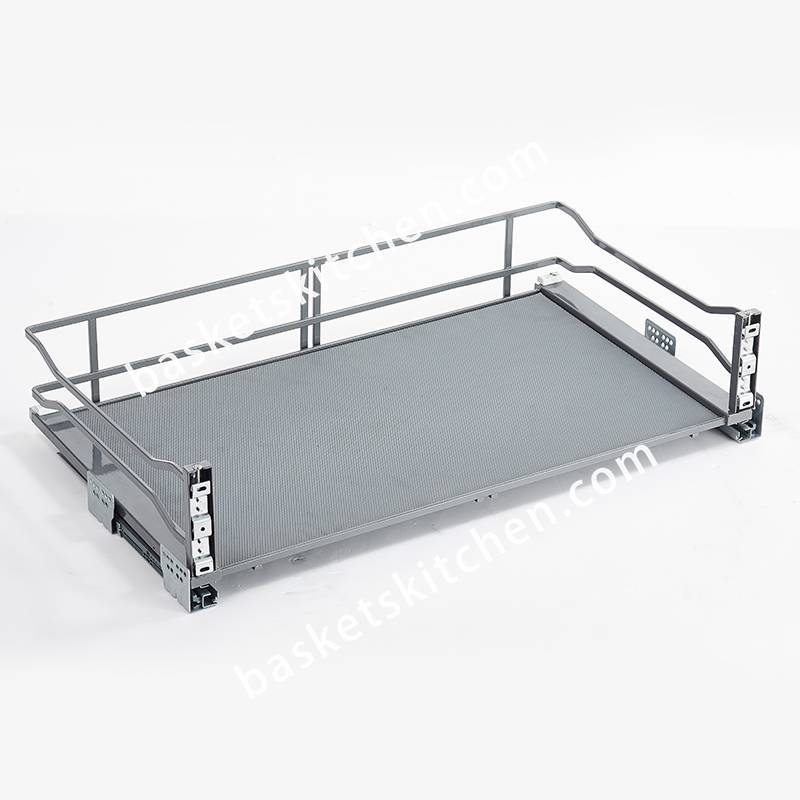
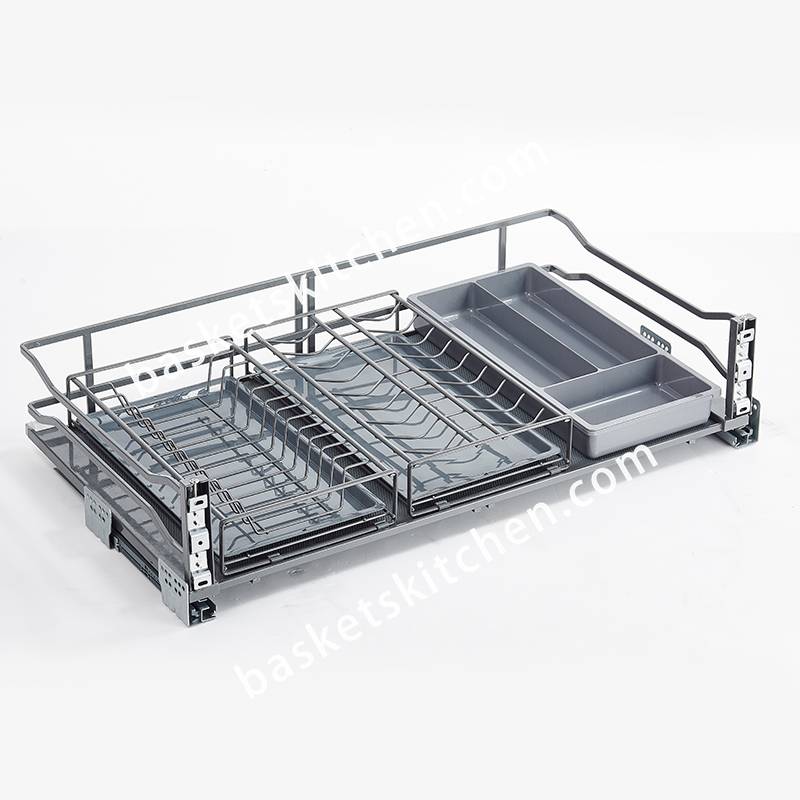
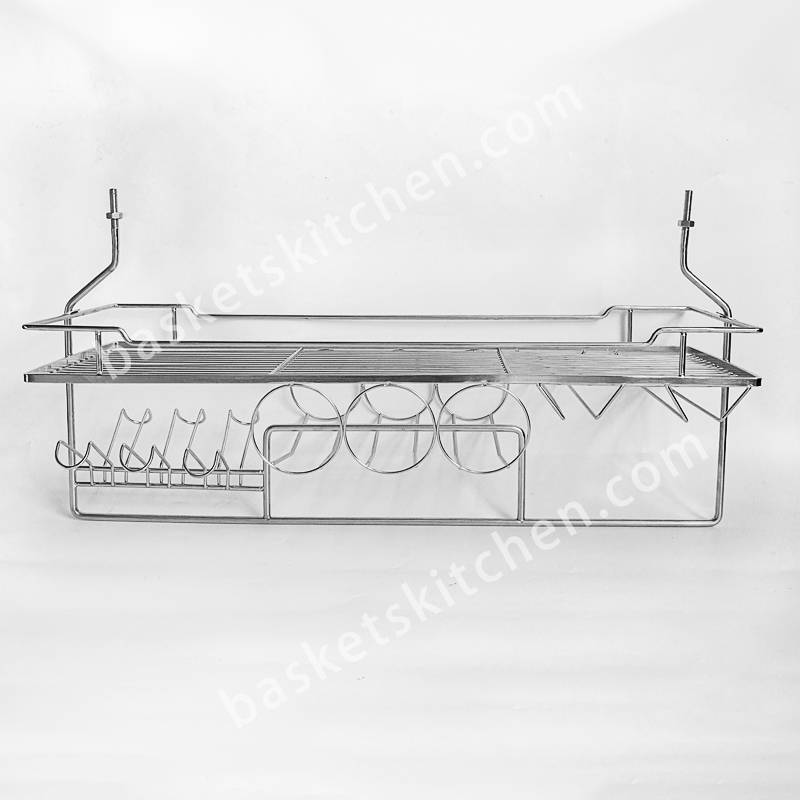
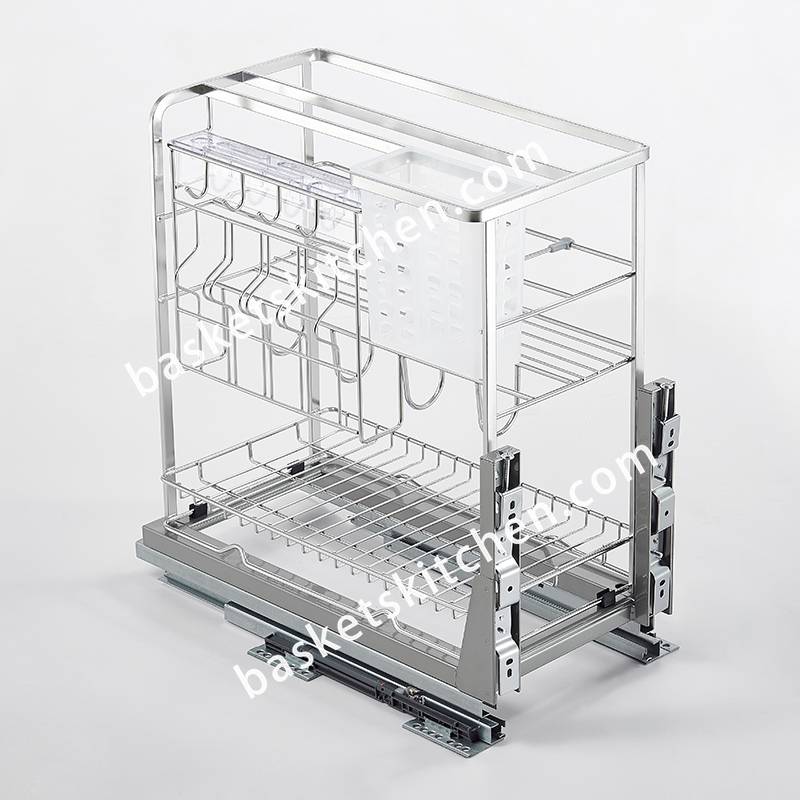
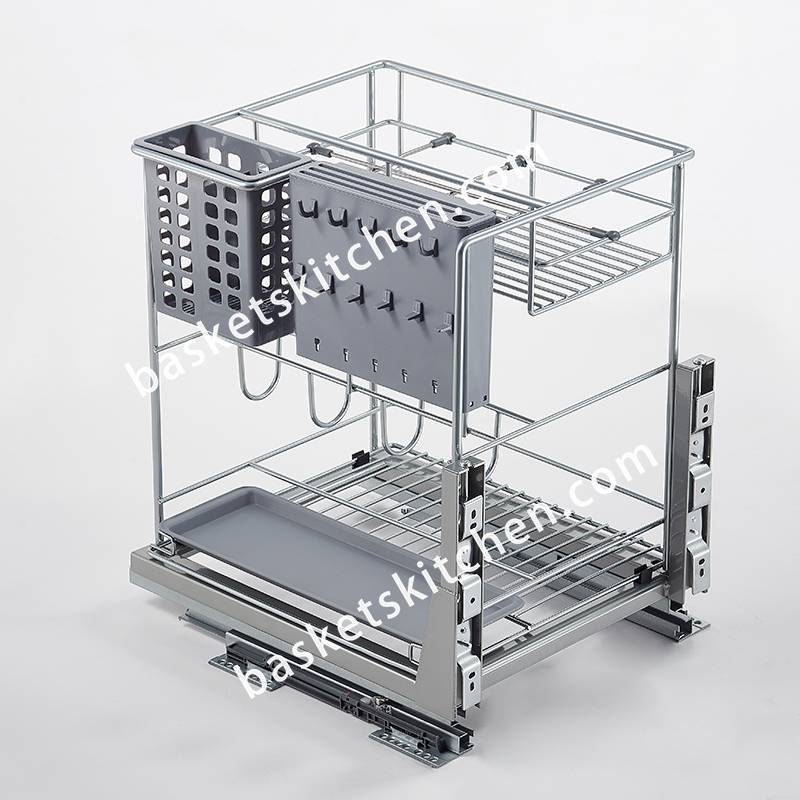
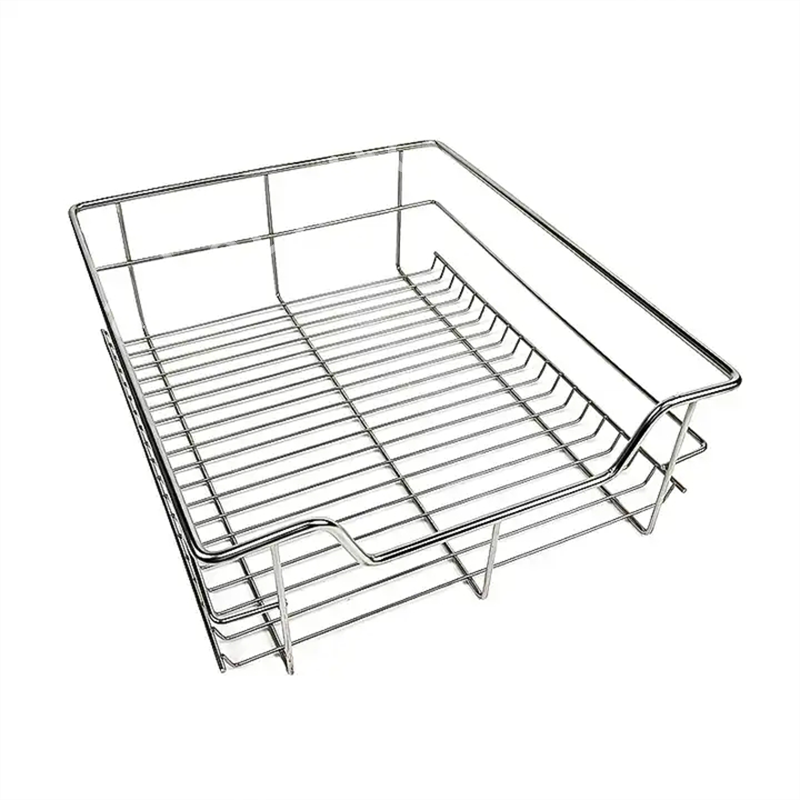
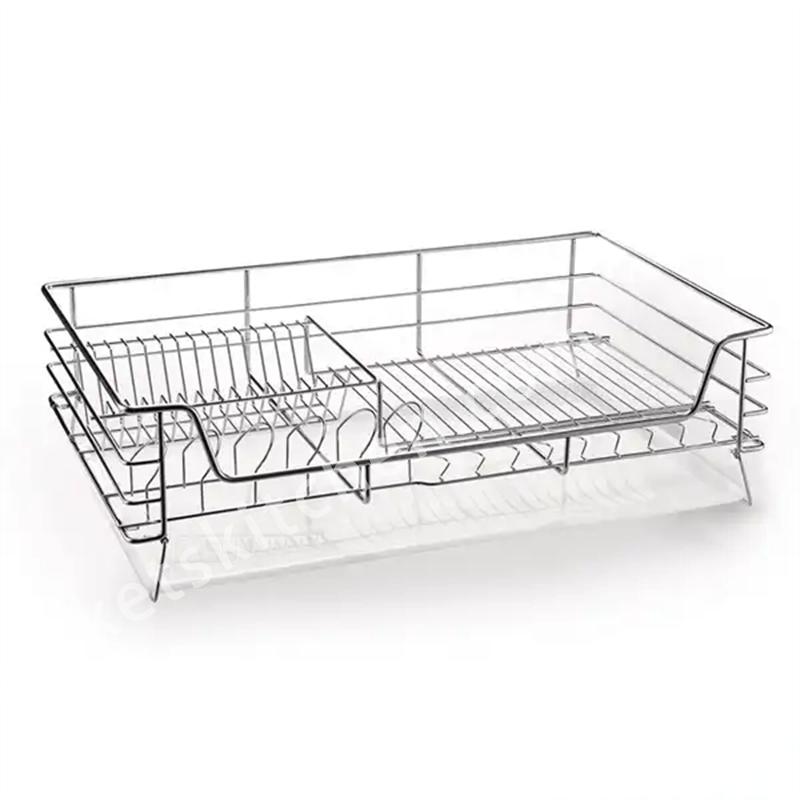
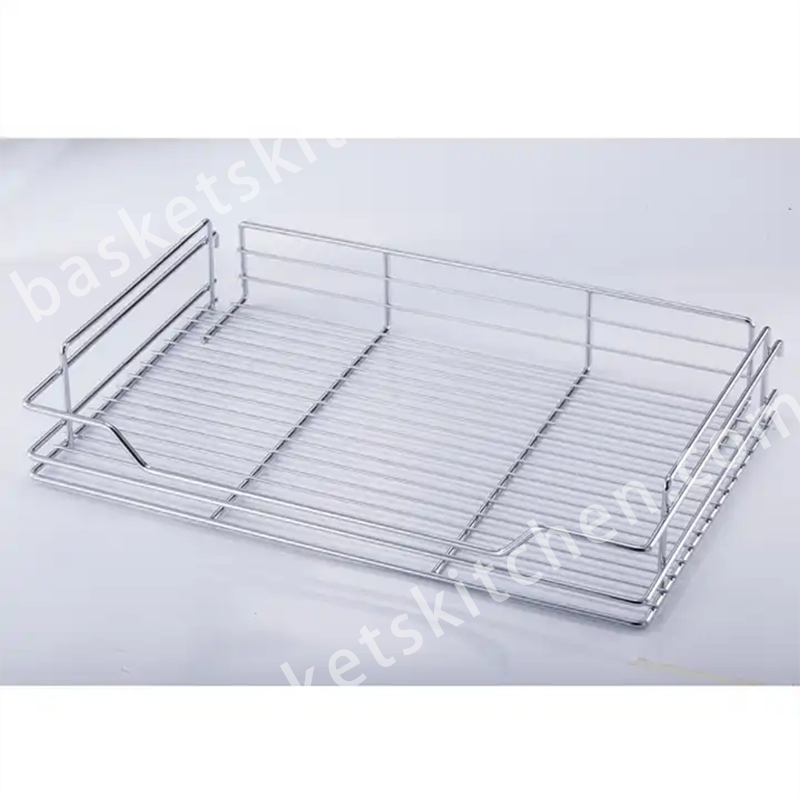
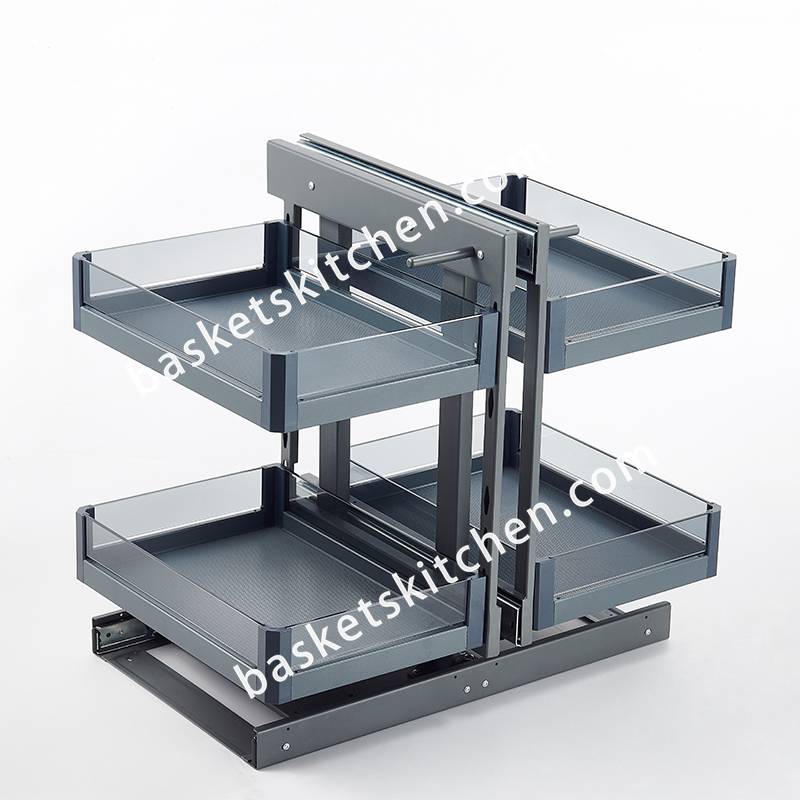
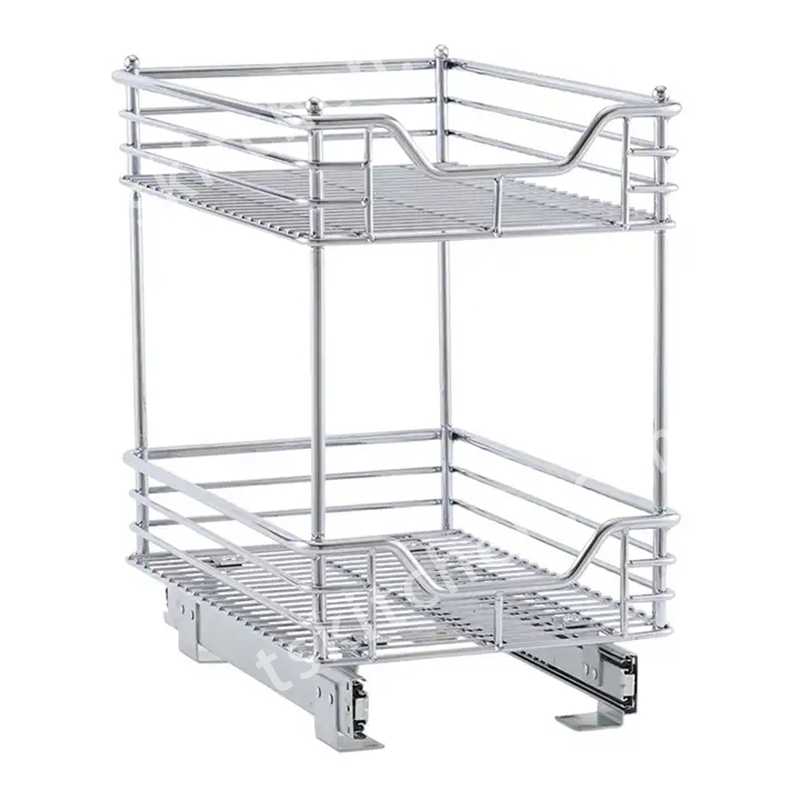
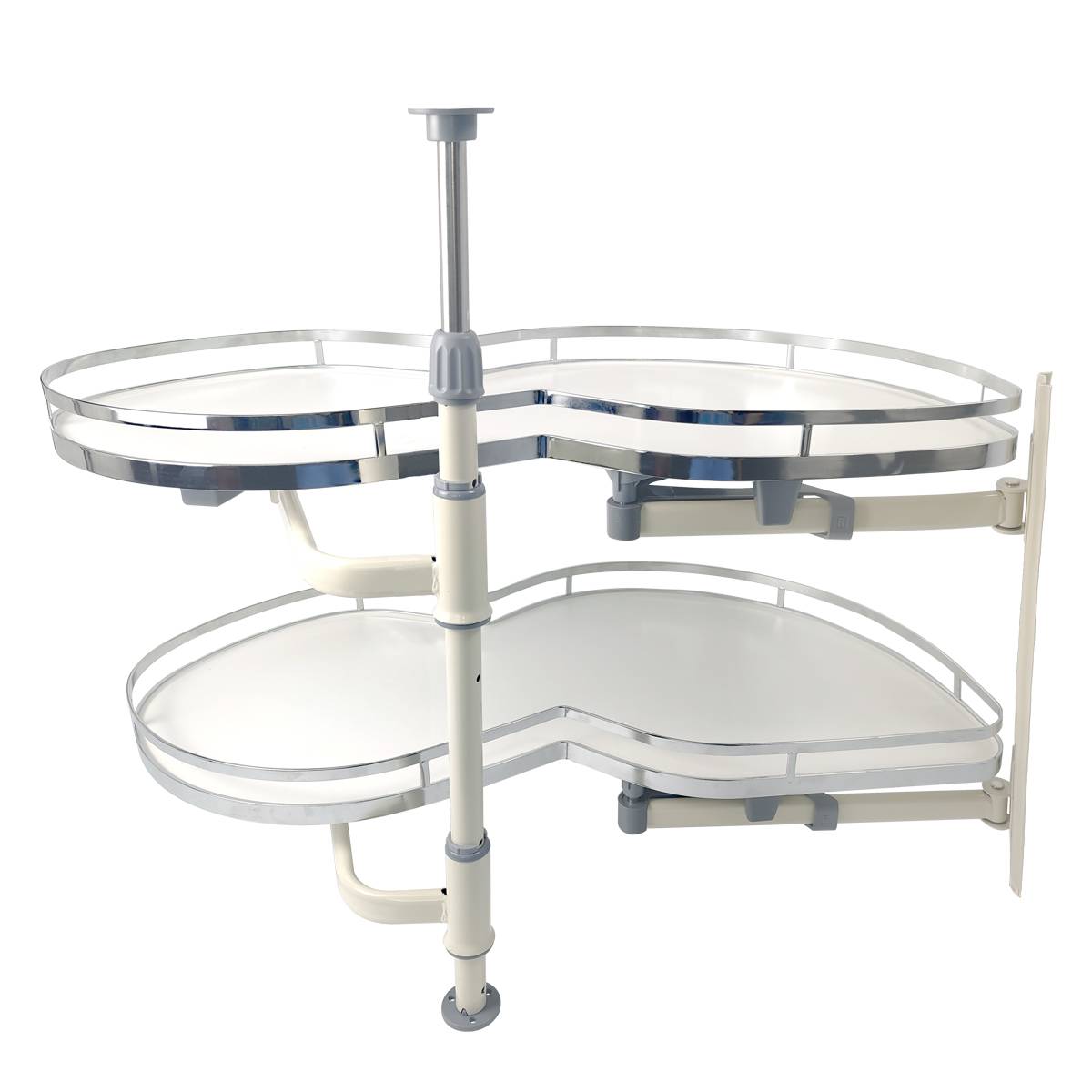
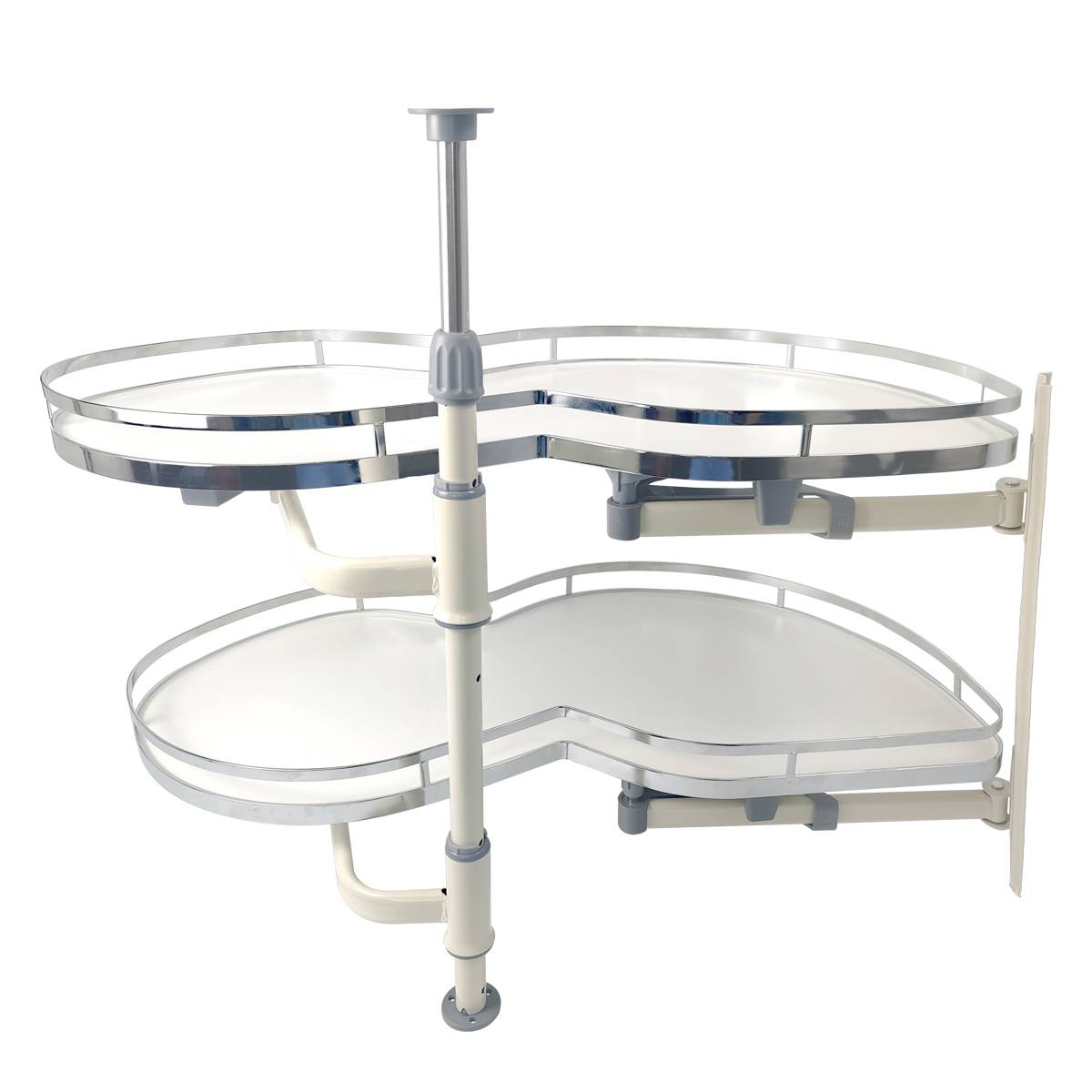
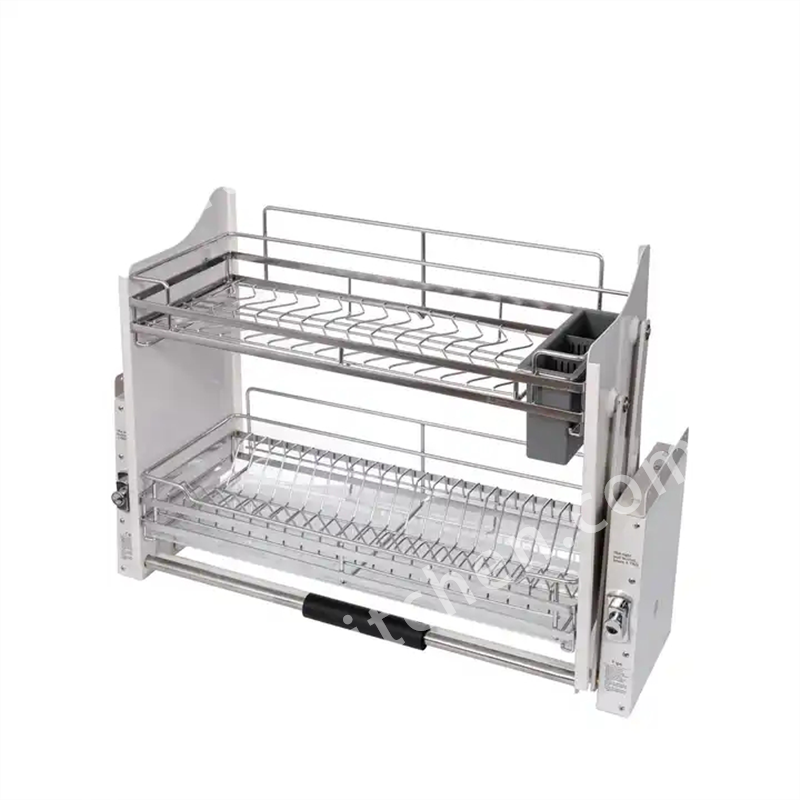
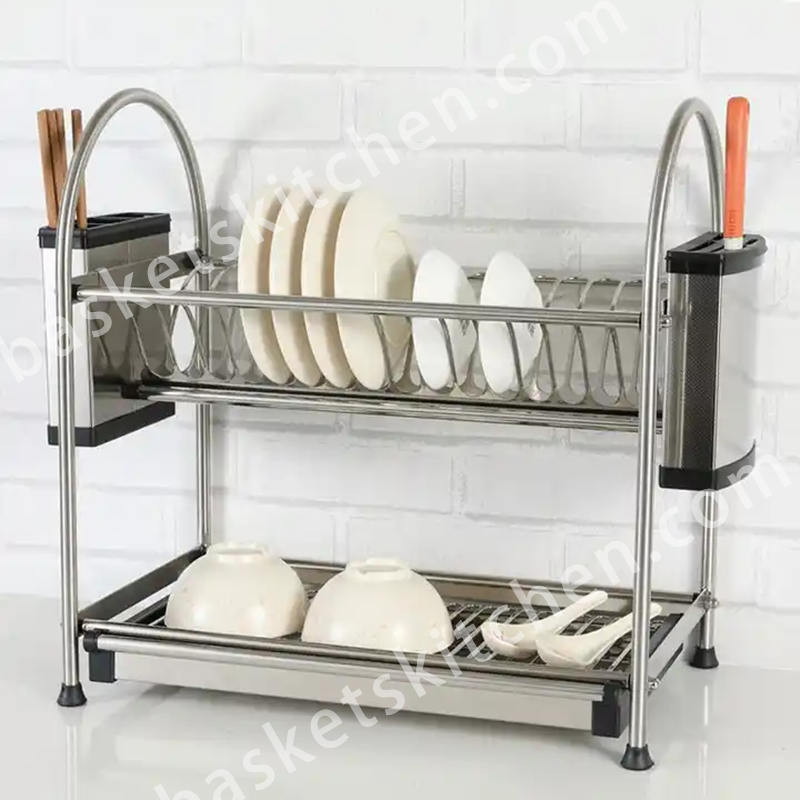
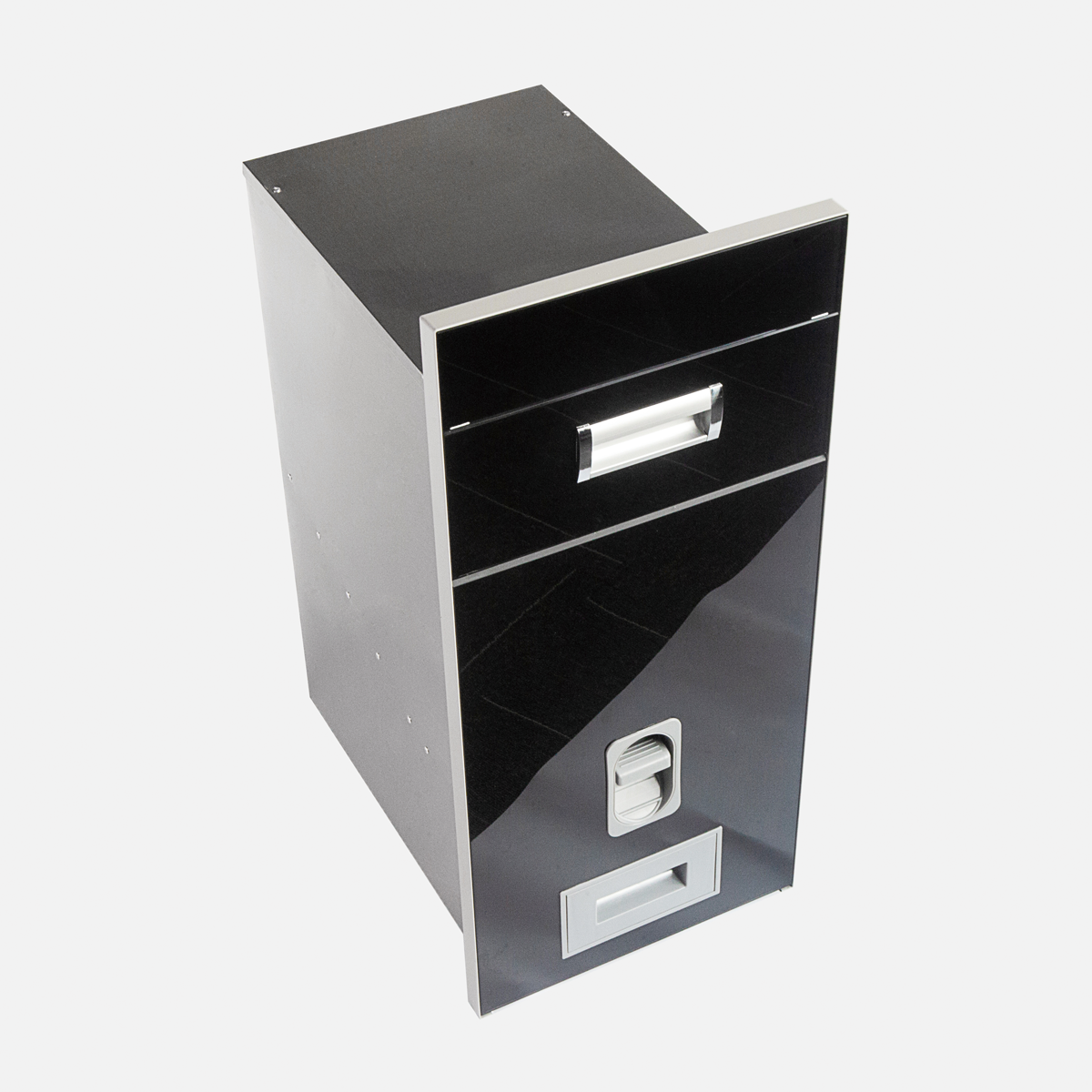
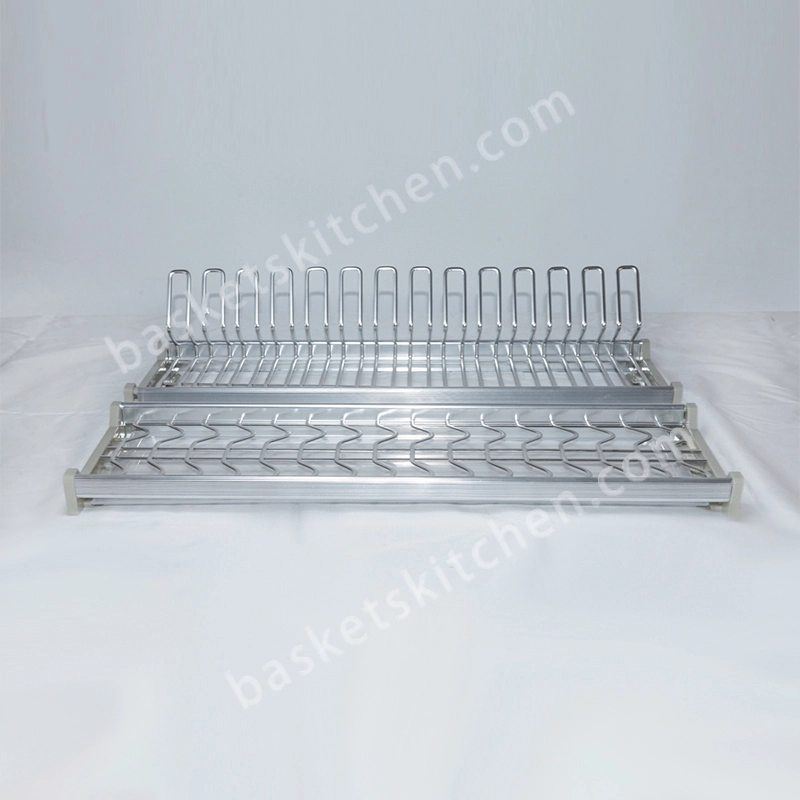
👉 Example OEM/ODM product categories:
Simple breakdown:
- OEM → Custom-made products for your brand
- ODM → Ready-made products with your logo
- Original → Fully owned and sold by the brand
Each model serves different business needs and investment levels.
Advantages of OEM Products
OEM products offer many benefits, especially for new entrepreneurs and eCommerce businesses. One of the biggest advantages is cost control, which allows higher profit margins.
Another key advantage is flexibility in branding and customization. Businesses can create their own identity without investing in factories.
Key benefits:
- Lower manufacturing and production costs
- Higher profit margin for resellers and brands
- Full control over branding and packaging
- Ability to customize product design
- Easy to scale a private label business
Disadvantages of OEM Products
Even though OEM has many advantages, it also comes with some challenges. One major issue is dependency on the manufacturer for quality control.
Businesses must also handle branding, marketing, and customer trust on their own. This can be difficult for beginners without experience.
Key challenges:
- Quality depends heavily on the supplier
- Requires strong supplier research and communication
- Minimum order quantity (MOQ) may be required
- Branding and marketing responsibilities are on you
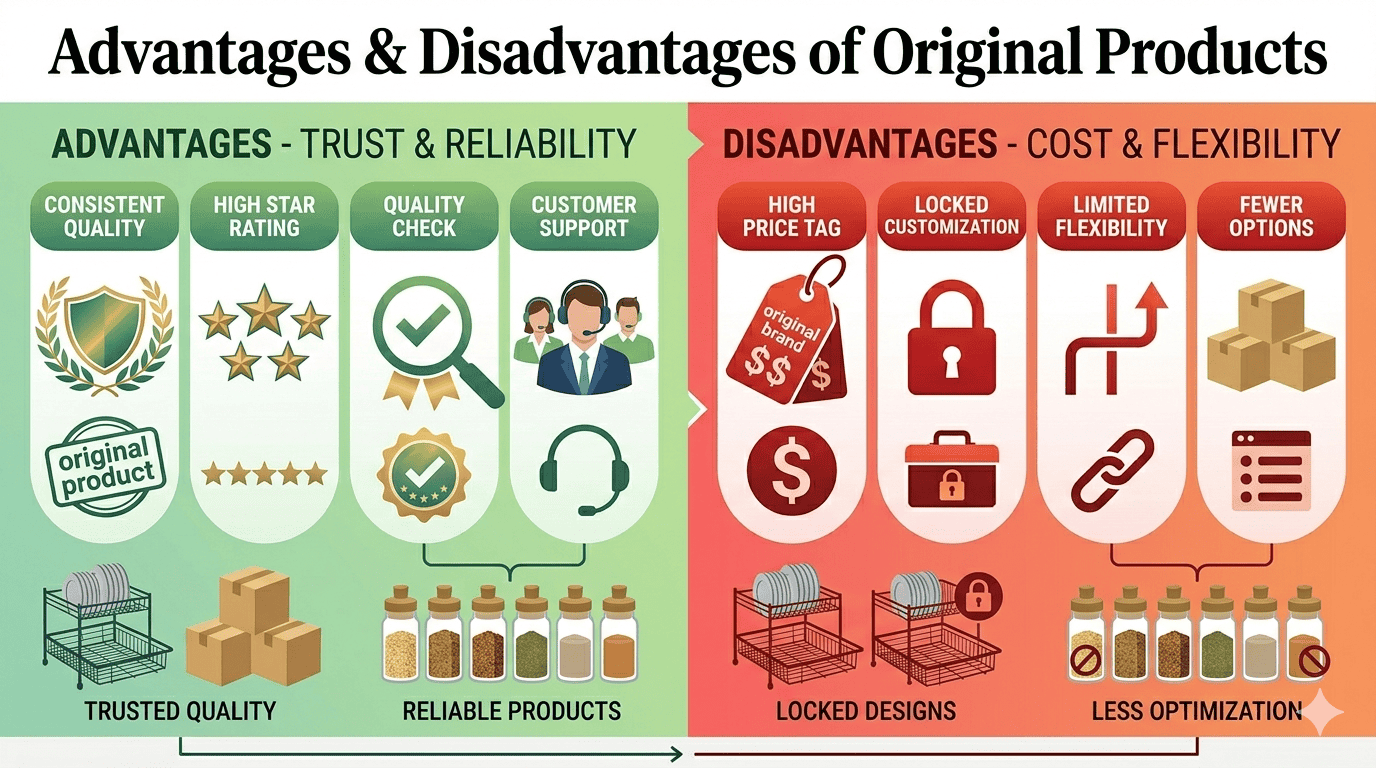
Advantages of Original Products
Advantages of Original Products
Original products are known for their strong brand value and reliability. Customers trust these products more because they come from well-established companies.
Another advantage is consistent quality, as the same company controls production and standards. This reduces risk for buyers.
Key benefits:
- High level of customer trust and brand recognition
- Consistent product quality and performance
- Better after-sales support and warranty services
- No need for production or branding effort from buyers
Disadvantages of Original Products
Despite their advantages, original products also have some limitations. One major drawback is the higher price due to branding and marketing costs.
Another issue is limited customization options, which makes it difficult for resellers to create unique offers.
Key challenges:
- Higher price compared to OEM products
- Limited flexibility in design and customization
- Lower profit margins for resellers
- Strong dependency on existing brand structure
Real Industry Example (Kitchen Storage)
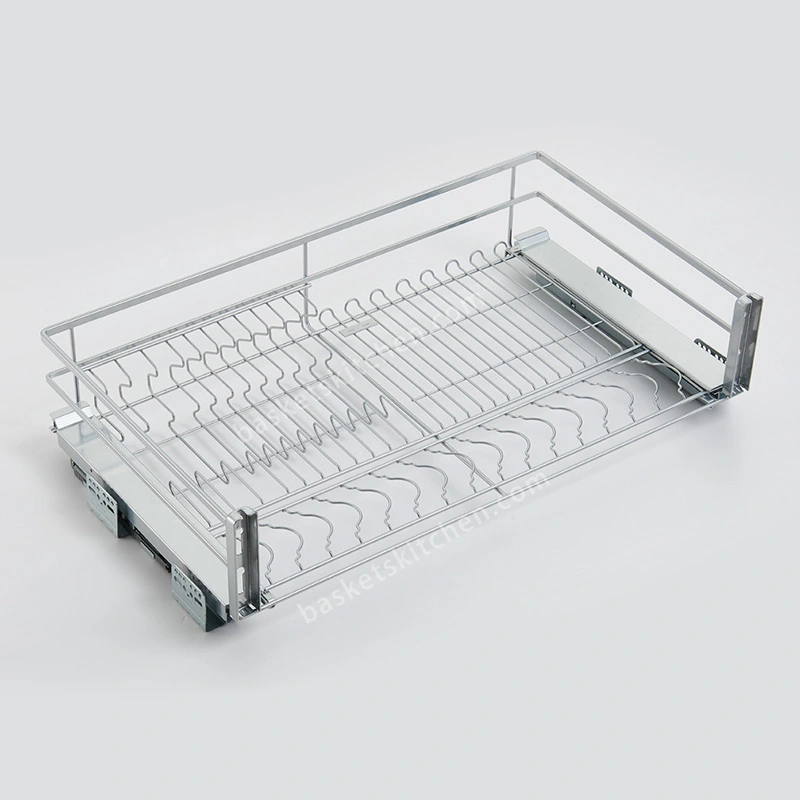
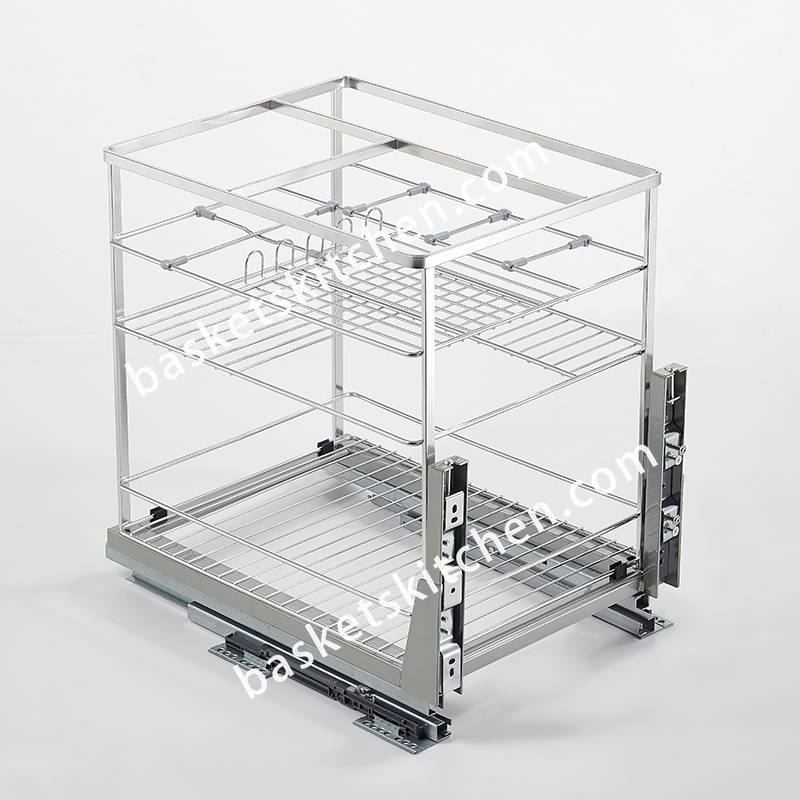
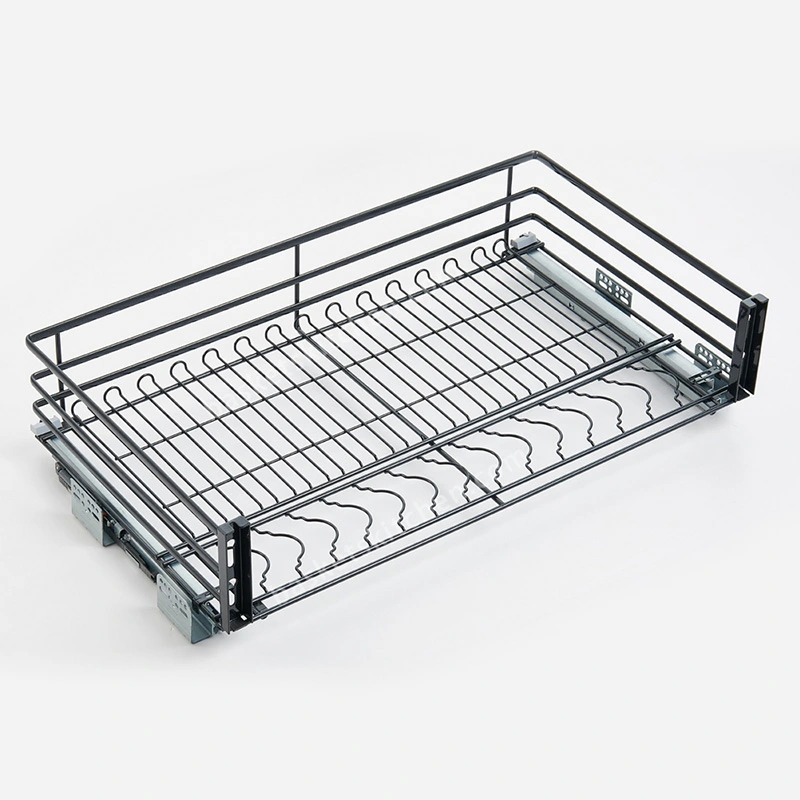
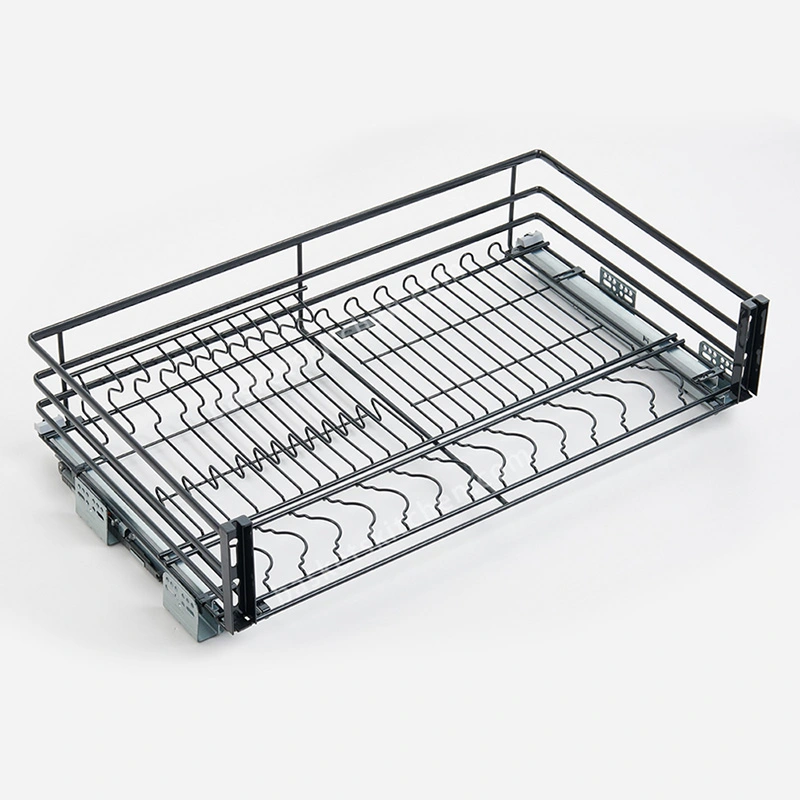
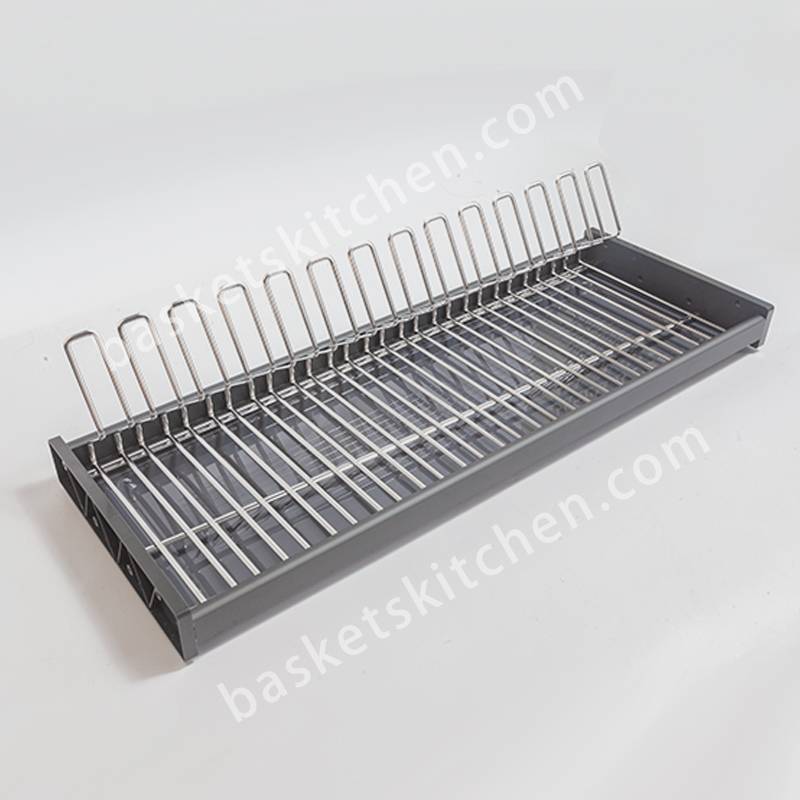
In industries like kitchen storage, OEM manufacturing is widely used by global brands. Many products such as dish racks, pantry organizers, and cabinet systems are produced by OEM factories.
Businesses then brand these products and sell them in different markets. This allows faster growth without building factories.
If you want to explore OEM kitchen storage solutions, you can visit:
👉 https://basketskitchen.com/
They offer a wide range of OEM and ODM kitchen storage products suitable for global business needs.
How to Choose the Right Option
Choosing between OEM and Original depends on your goal. If you want to build a business, OEM is usually the better choice because it offers flexibility and profit potential.
However, if you are a consumer looking for reliability, Original products are safer and more trusted. Your decision should depend on your purpose and budget.
Choose OEM if:
- You want to build your own brand
- You are targeting wholesale or online selling
- You need customization and bulk production
- You want higher profit margins
Choose Original if:
- You prefer ready-made trusted products
- You don’t want to manage production or branding
- You are buying for personal use
- You value brand reputation more
Real Industry Example (Kitchen Storage)
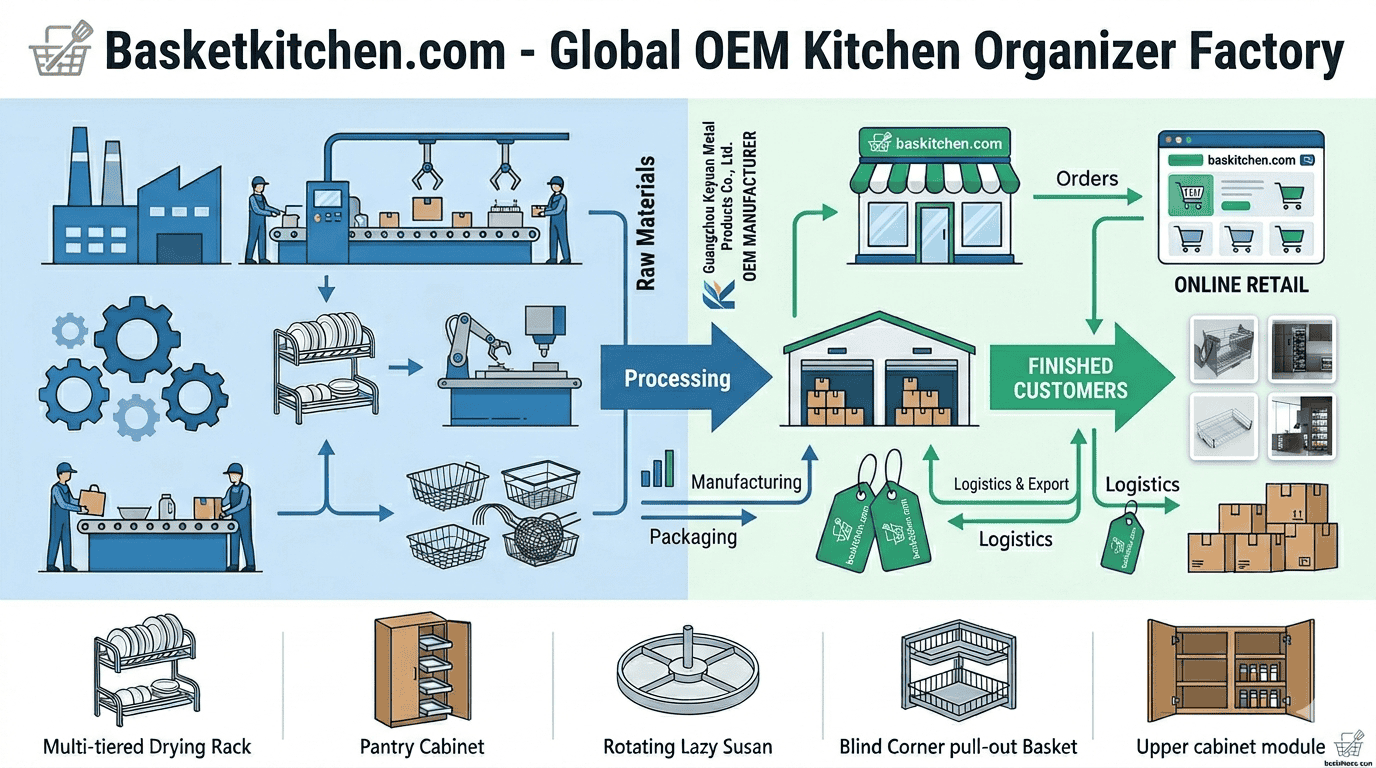
Global OEM Kitchen Organizer Factory
The kitchen storage industry is one of the biggest OEM markets in the world. Many products are produced in factories and then sold under different brand names.
Common OEM kitchen storage products include:
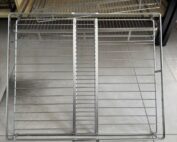
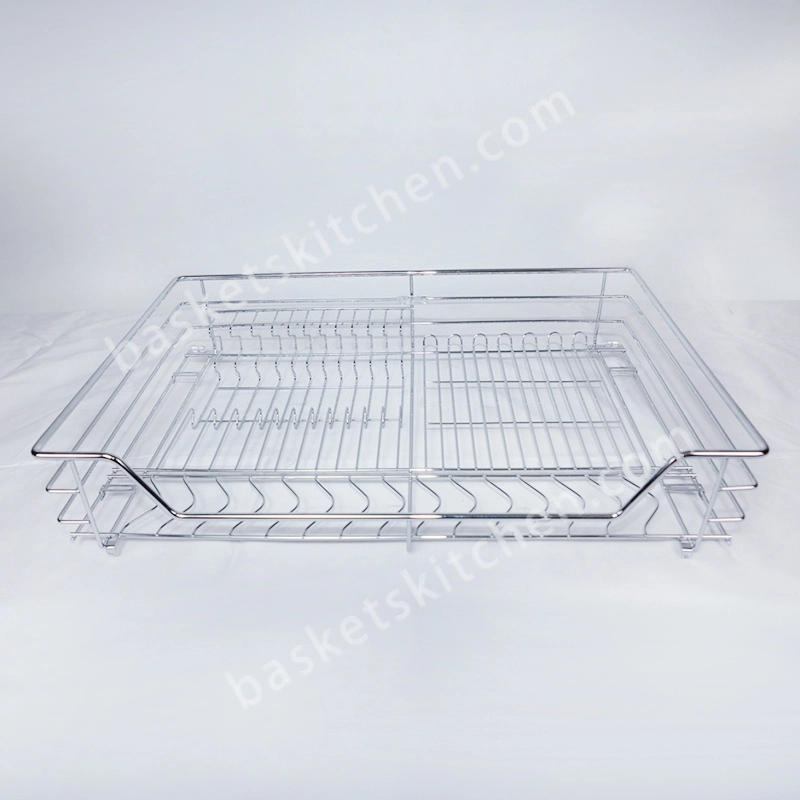
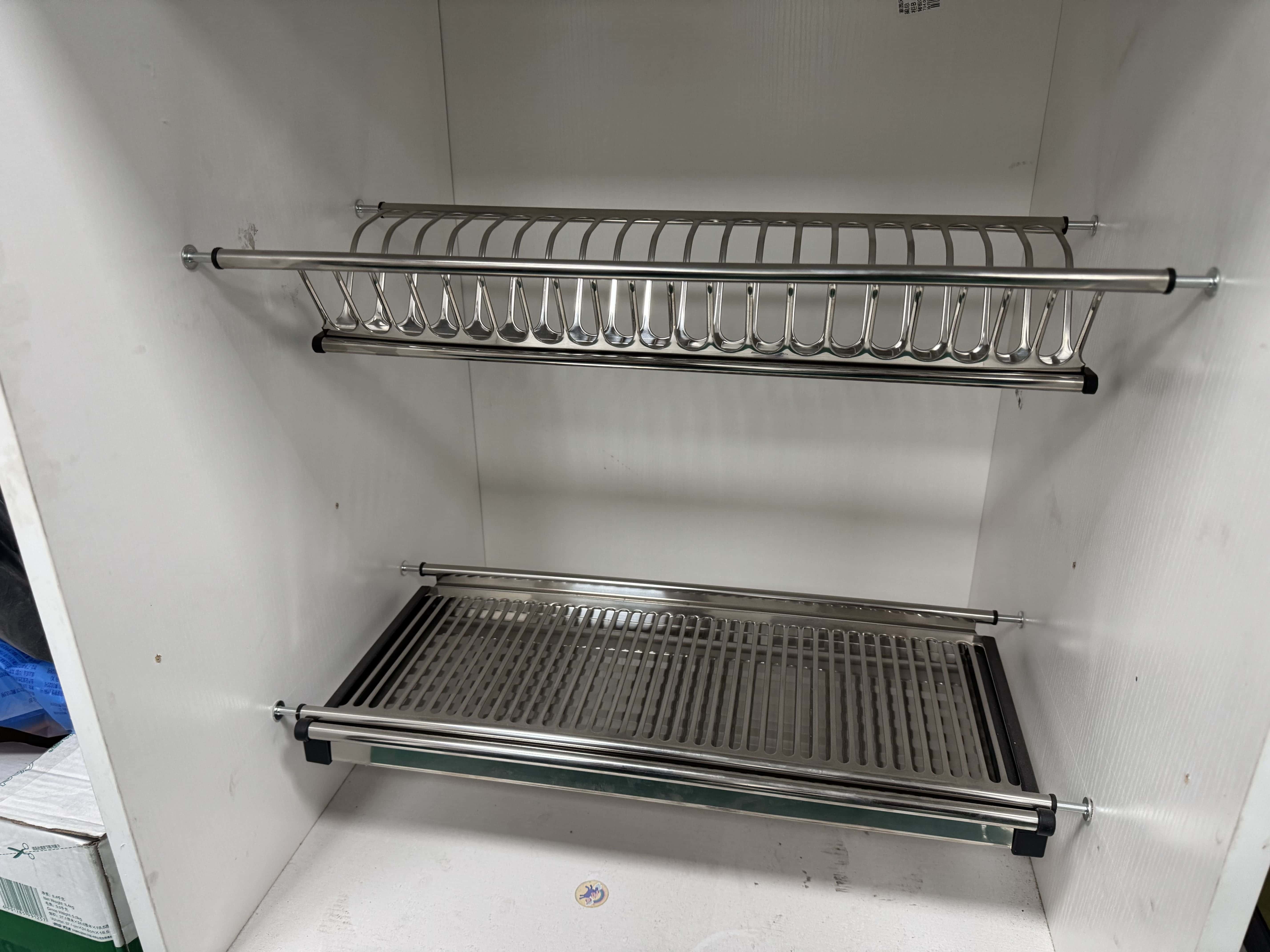
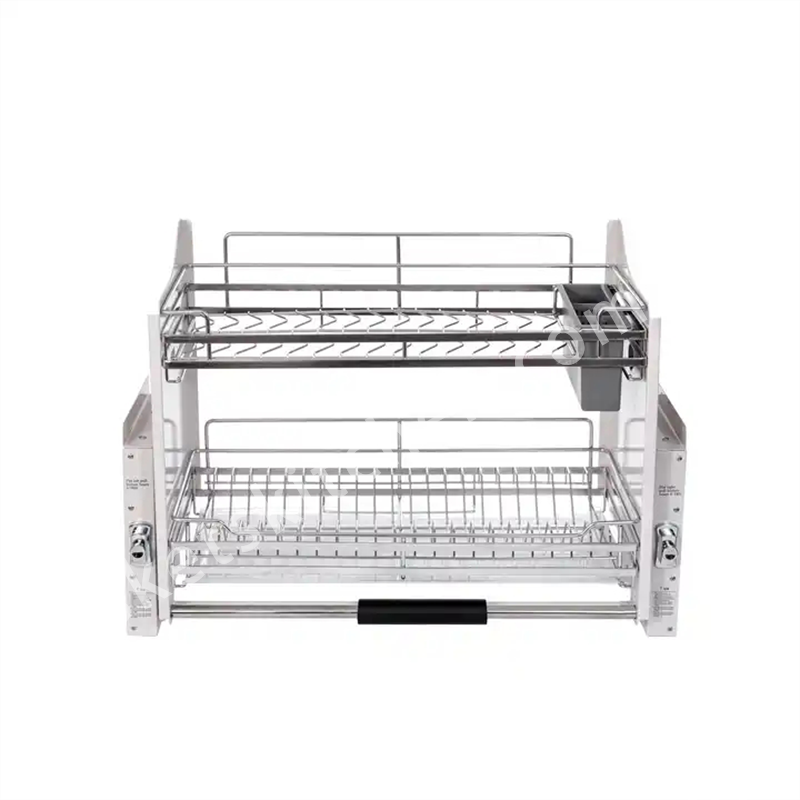
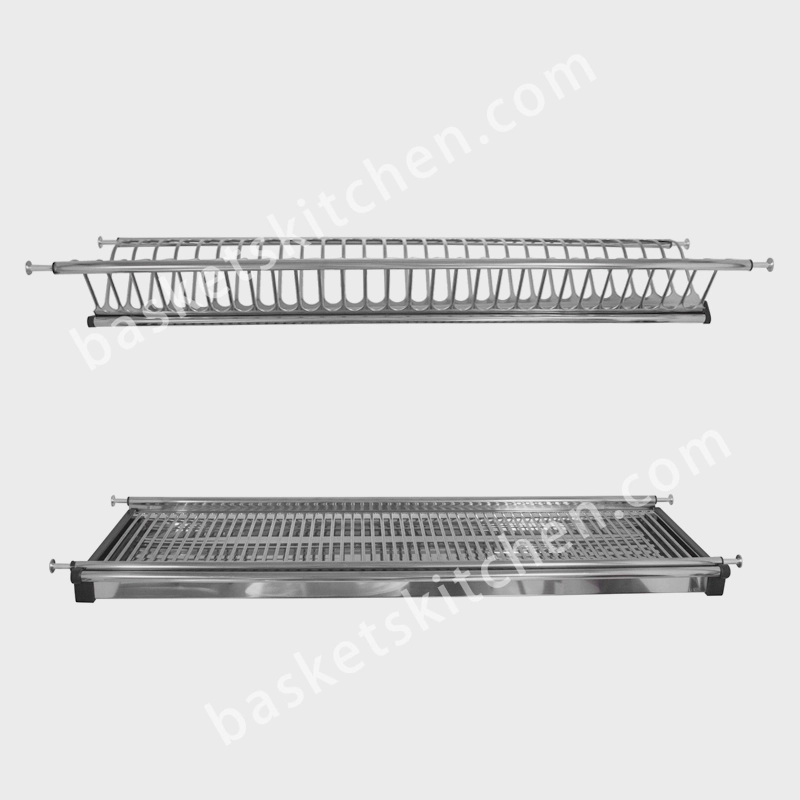
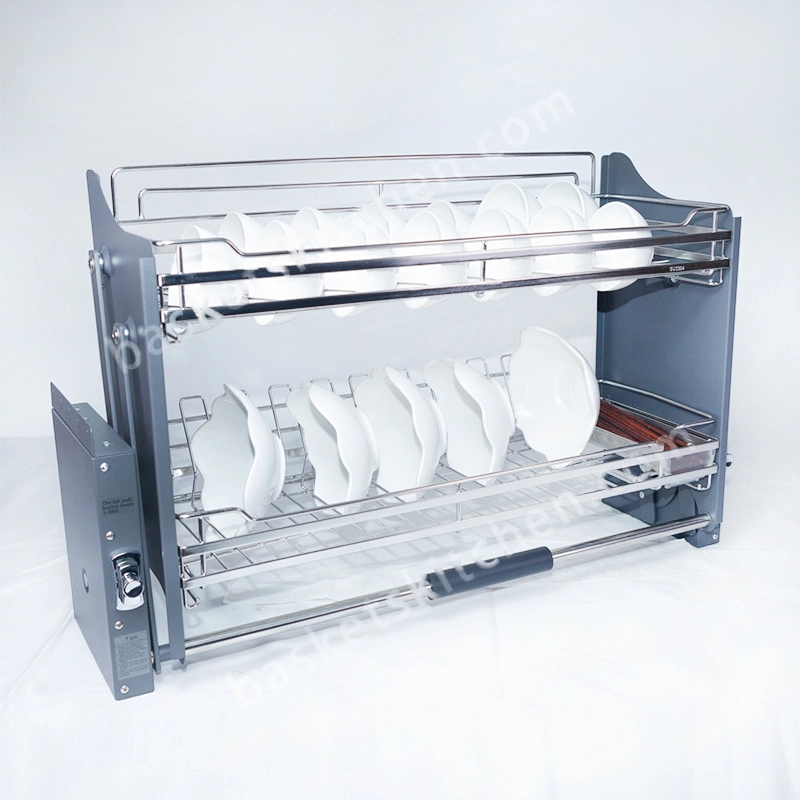
- Dish drying rack systems
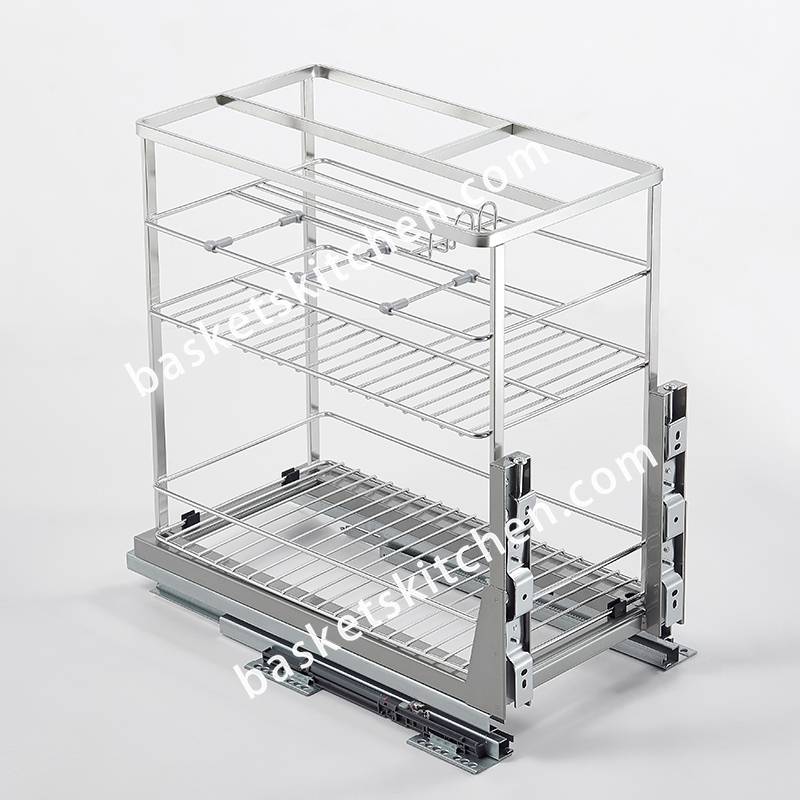
- Pantry cabinet storage units
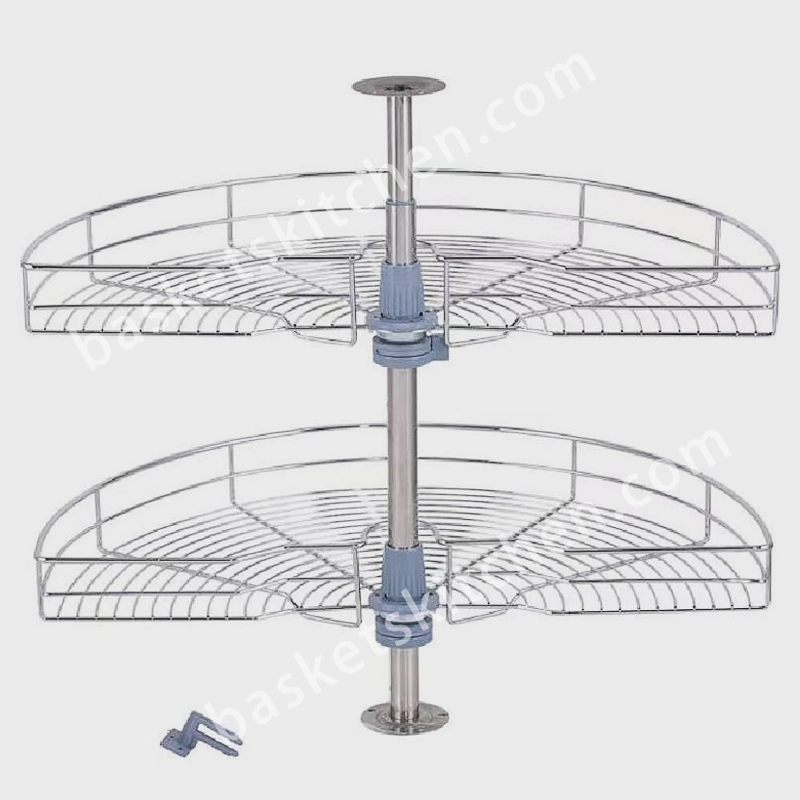
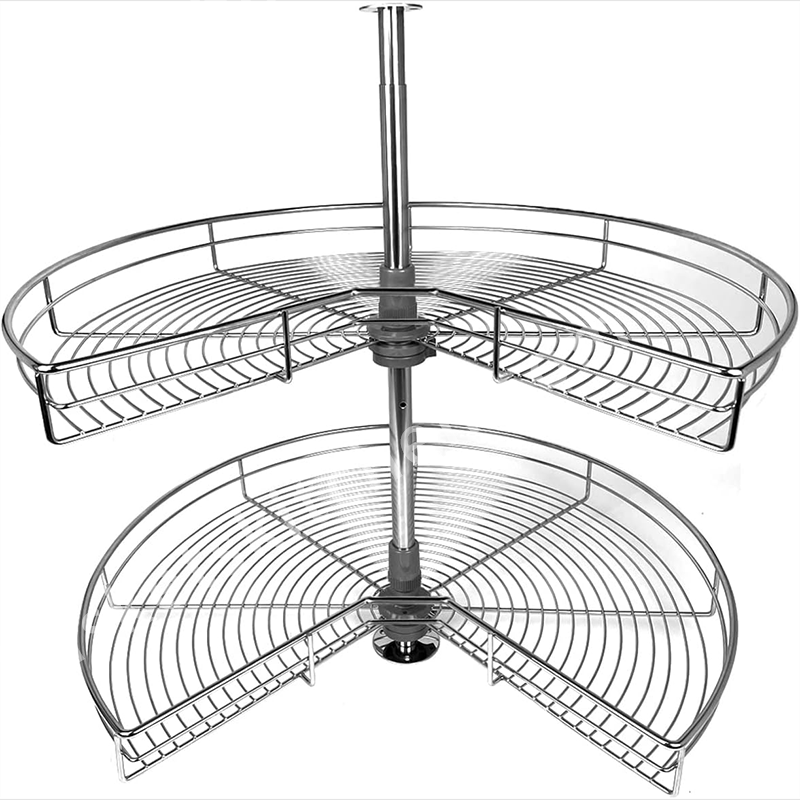
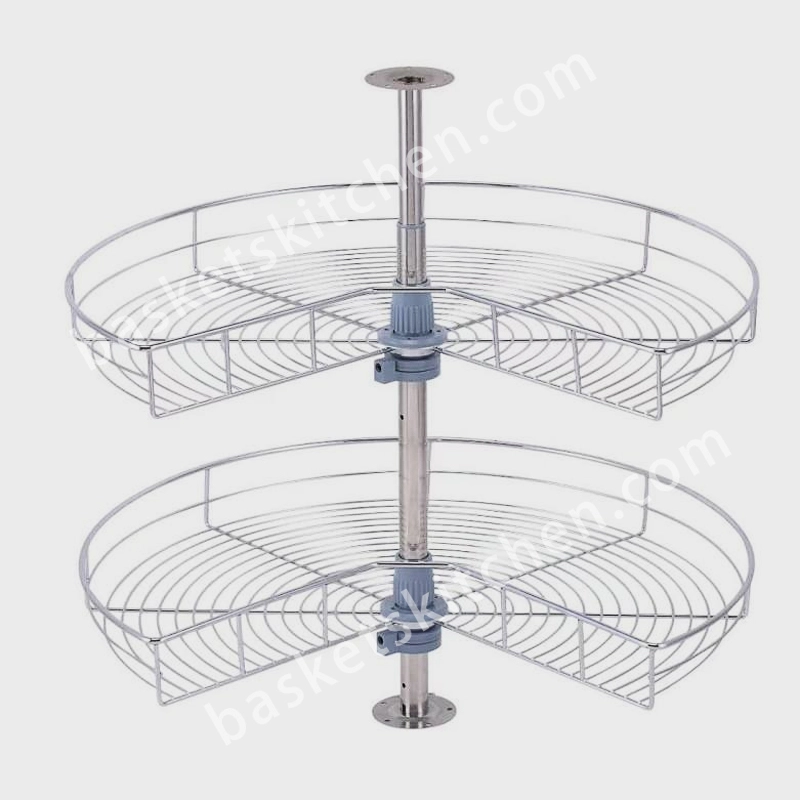
- Rotating lazy susan baskets
- Blind corner cabinet systems
- Upper cabinet storage modules
👉 These products help improve kitchen organization, space utilization, and modern home efficiency.
OEM Business Opportunity (2026 Trend)
The OEM industry is growing rapidly due to the rise of eCommerce and private label brands. More entrepreneurs are entering the market with low investment models.
Global sourcing and online platforms have made OEM easier than ever. This trend is expected to continue in 2026 and beyond.
👉 OEM is becoming one of the most powerful ways to start a product-based business today.
Questions with Answers
1. What does OEM stand for?
Answer: OEM stands for Original Equipment Manufacturer.
2. What is the main difference between OEM and Original products?
Answer: OEM products are made by a third-party factory and sold under another brand, while Original products are made and sold by the same company.
3. Who manufactures OEM products?
Answer: OEM products are manufactured by third-party factories or suppliers.
4. Can OEM products be sold under a different brand name? Why?
Answer: Yes, OEM products can be sold under different brand names because companies rebrand and customize them for their own business.
5. What are the key advantages of OEM products for business owners?
Answer: OEM products offer lower cost, higher profit margin, customization options, and easy brand building.
6. Why are Original products usually more expensive than OEM products?
Answer: Original products are more expensive because they include branding, marketing, R&D, and full company production control.
7. What is the difference between OEM, ODM, and Original products?
Answer:
- OEM = Custom-made products for your brand
- ODM = Ready-made design with branding option
- Original = Fully owned and sold by the same brand
8. Which product type is better for starting a new business and why?
Answer: OEM is better for starting a business because it allows custom branding, lower cost, and higher profit potential.
9. In which industries is OEM manufacturing commonly used?
Answer: OEM is commonly used in kitchen storage, electronics, automotive, furniture, and home appliances industries.
10. What are the disadvantages of OEM products?
Answer: OEM products may have quality risks, supplier dependency, MOQ requirements, and need strong branding efforts.
Final Thoughts
OEM and Original products both play important roles in the global market. Each model serves a different purpose depending on the user’s needs.
OEM is best for entrepreneurs who want to build their own brand and maximize profit. Original products are best for customers who want trust, simplicity, and reliability.
Understanding this difference will help you make smarter decisions in business and buying.
About the author : Maruf Hossain

Related Posts
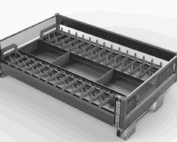
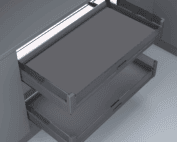
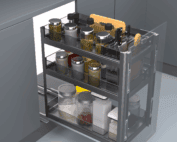
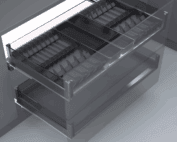
Our OEM/ODM Kitchen Basket Category List
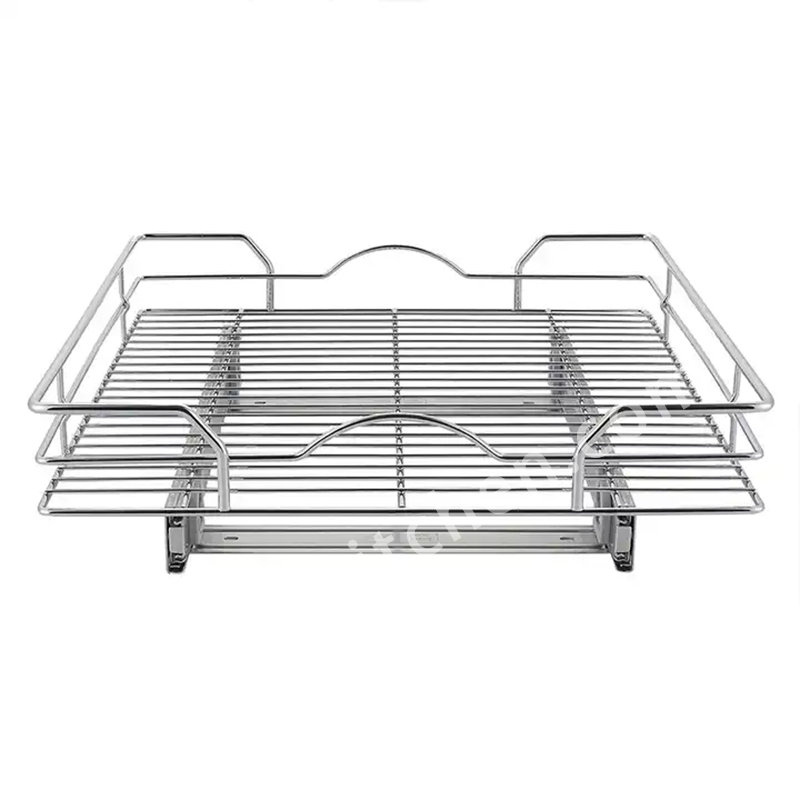
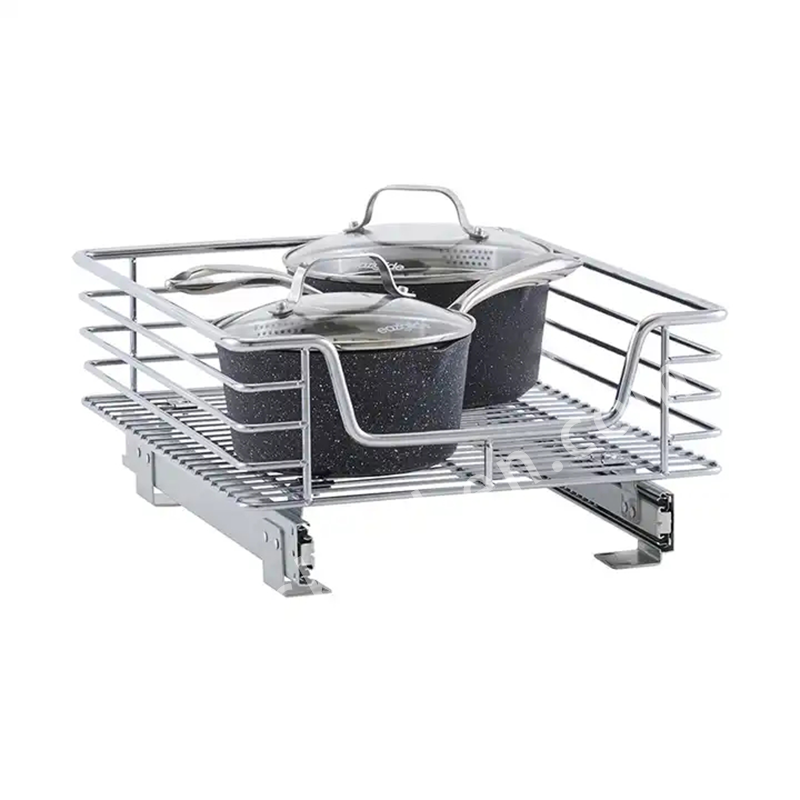
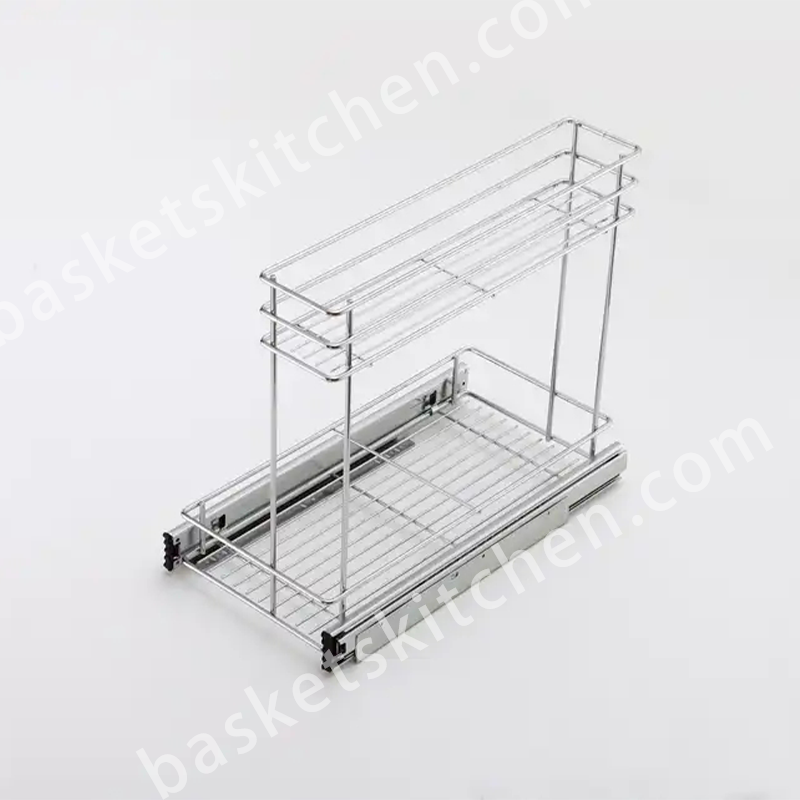
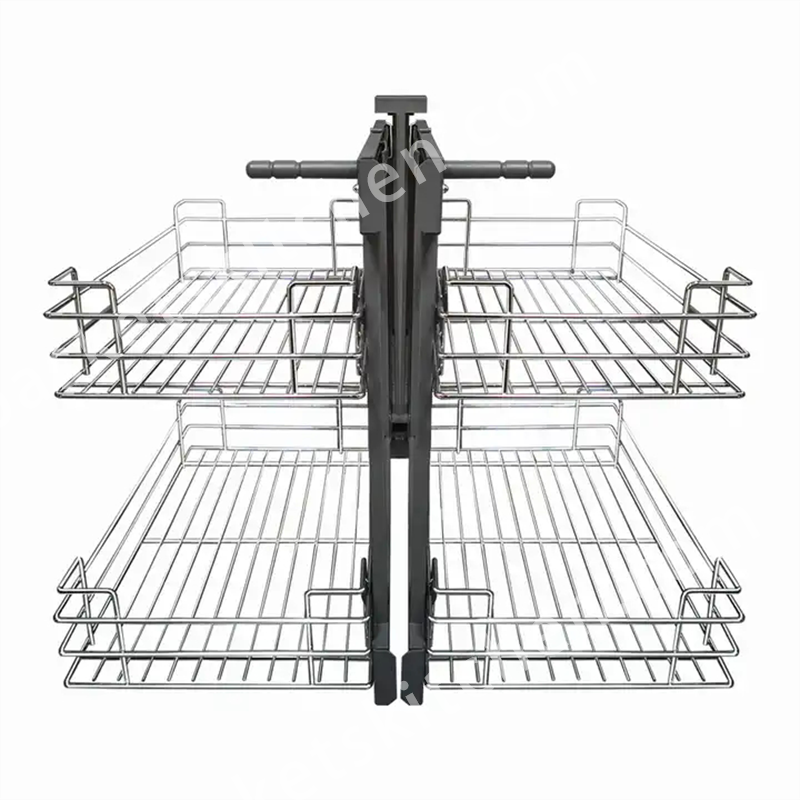
OEM Blind Corner Cabinet
Systems (6)

OEM Rotating Kitchen Baskets &Lazy Susans (3)
Kitchen Dish Drying Rack - OEM Manufacturer (2)
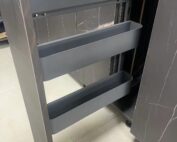
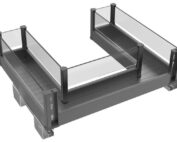
OEM Ancillary Cabinetry Components (4)