OEMs in China: A Complete Sourcing Guide for Wholesalers and Brands
OEMs in China: A Complete Sourcing Guide for Wholesalers and Brands
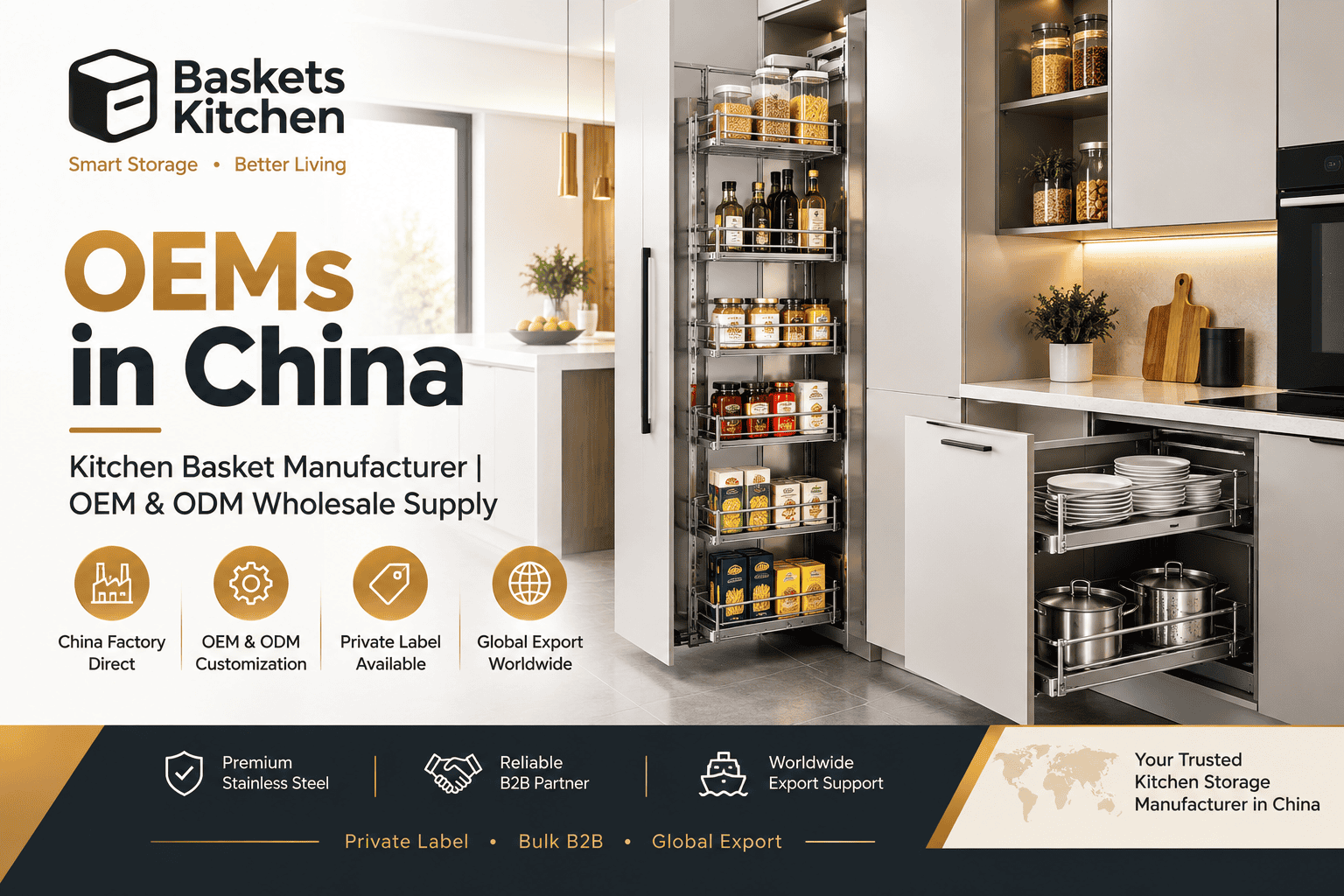
Finding reliable OEMs in China can help wholesalers, importers, distributors, and product brands develop customized products without investing in their own manufacturing facilities. China offers manufacturing suppliers across many industries, including kitchen hardware, metal products, cabinet accessories, home organization, and industrial components.
However, choosing the right OEM partner requires more than comparing prices. Buyers need to evaluate product expertise, customization capabilities, quality control, production capacity, communication, packaging, and export arrangements.
BasketsKitchen specializes in OEM manufacturing for kitchen baskets and cabinet storage accessories. We support B2B buyers seeking factory-direct manufacturing, ODM product development, private-label solutions, and bulk supply.
This guide explains what OEM manufacturing means, how to evaluate OEMs in China, and what wholesalers and kitchen brands should consider before starting a manufacturing project.
📚 OUR COMPLETE CATALOG
Explore our full range of OEM kitchen storage accessories and cabinet organization solutions, available for B2B wholesale, bulk orders, OEM & ODM projects.
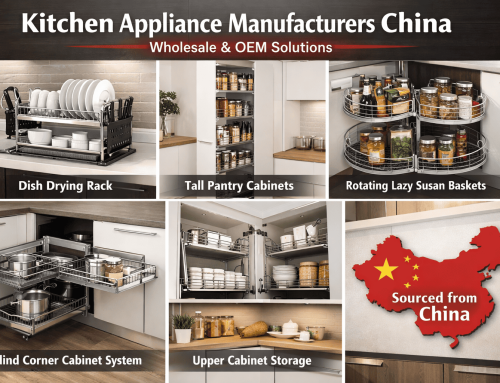
- 🏭 OEM Base Cabinet Components
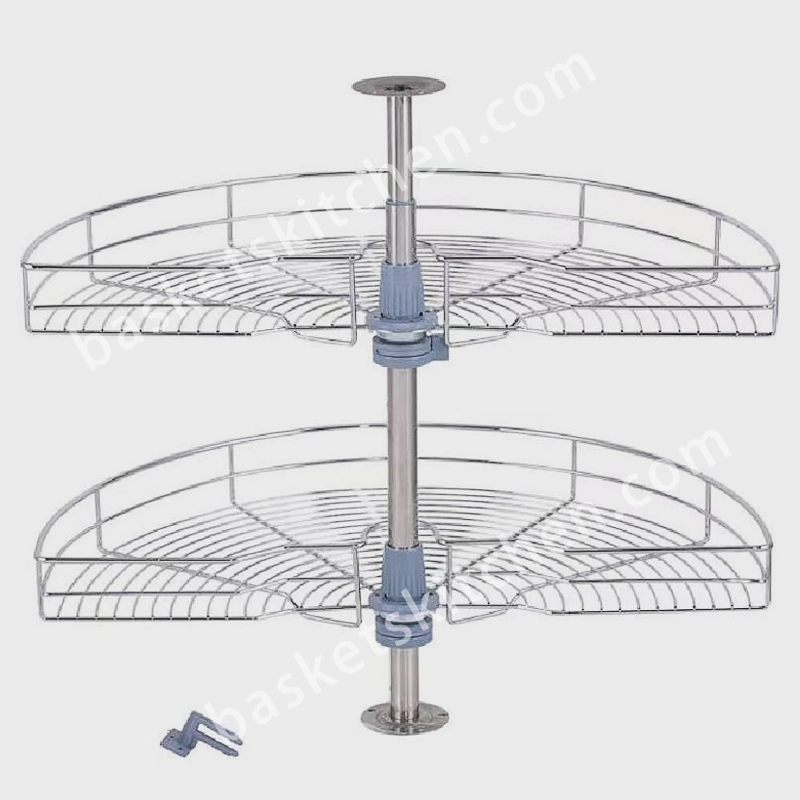
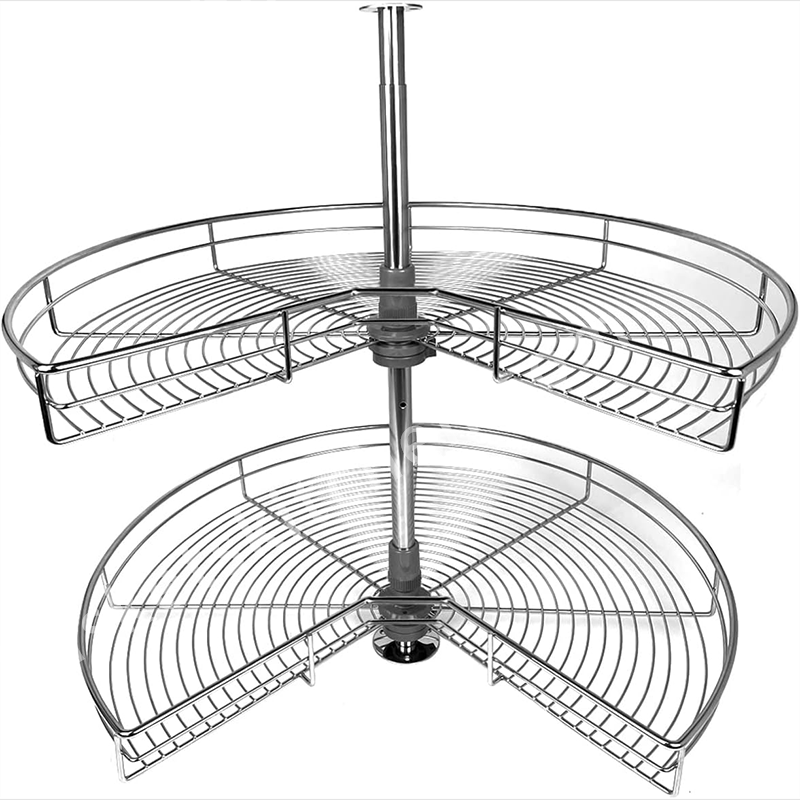
- 🔄 OEM Blind Corner Cabinet Systems
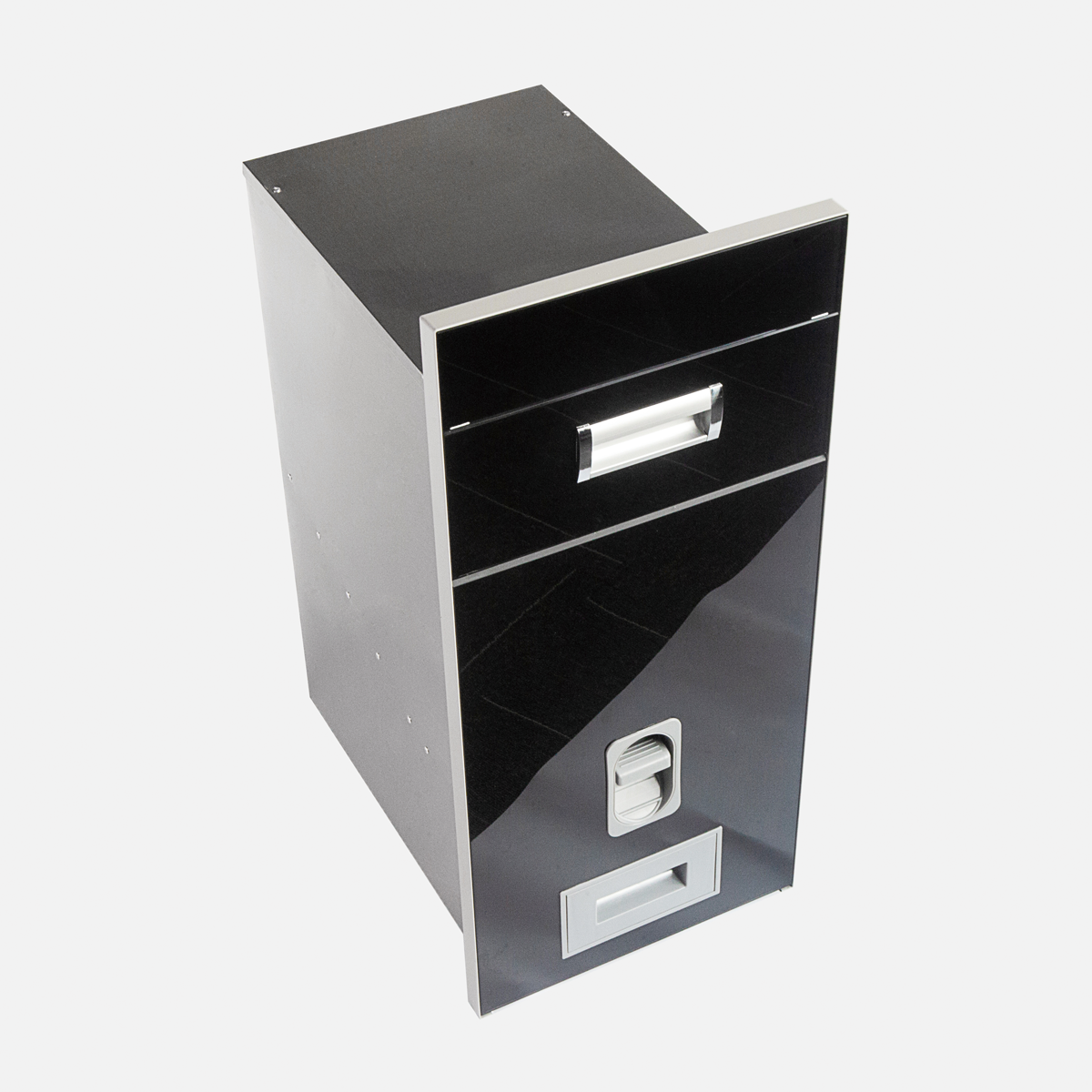
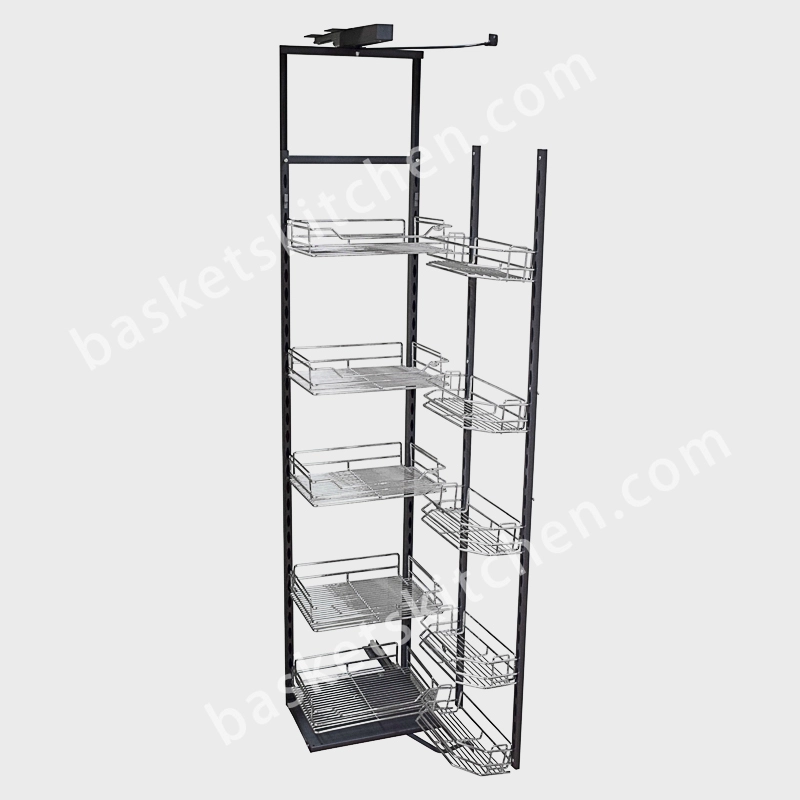
- 📦 Tall Pantry Cabinet Units – OEM Manufacturer & Exporter
- 🗄️ OEM Upper Cabinet Storage Modules
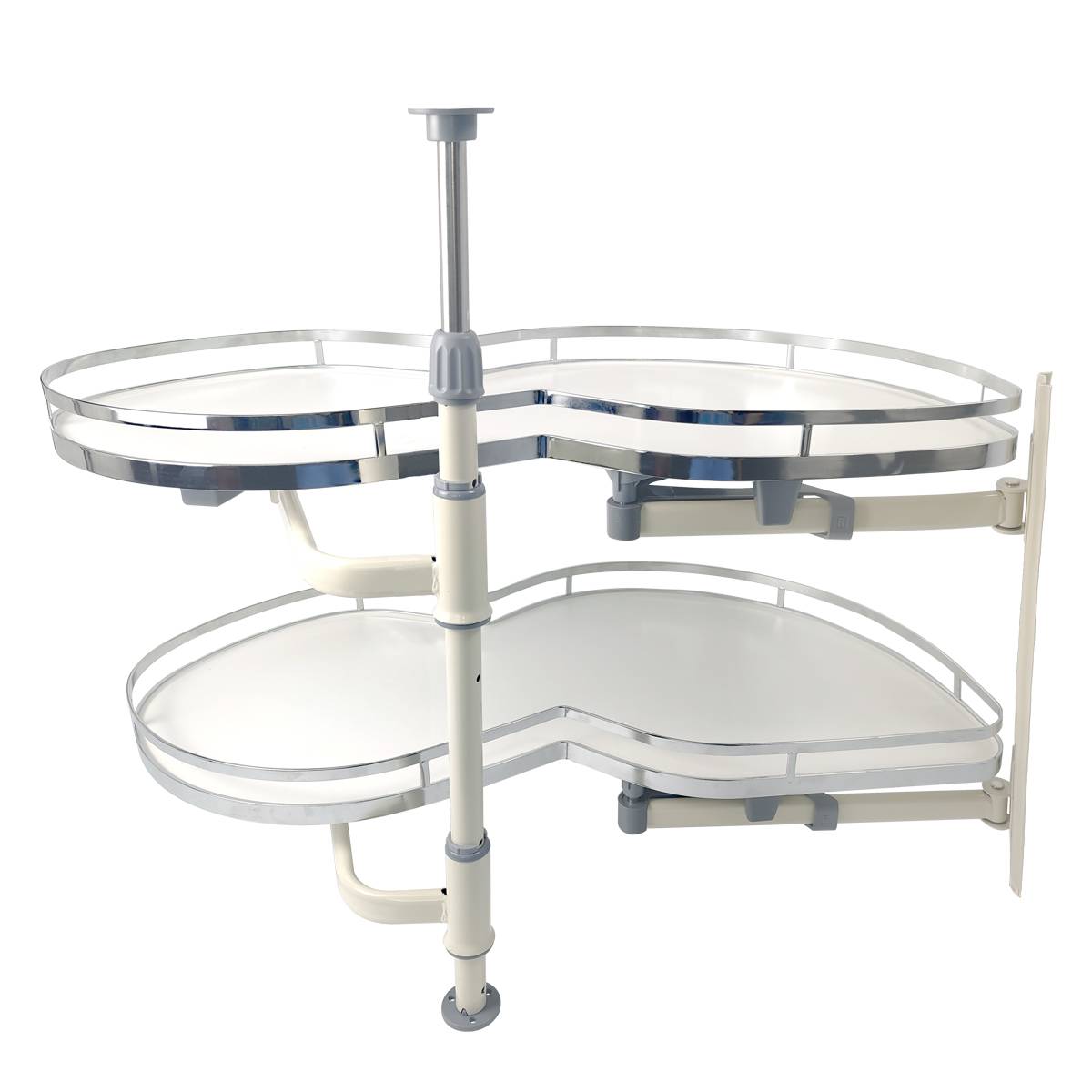
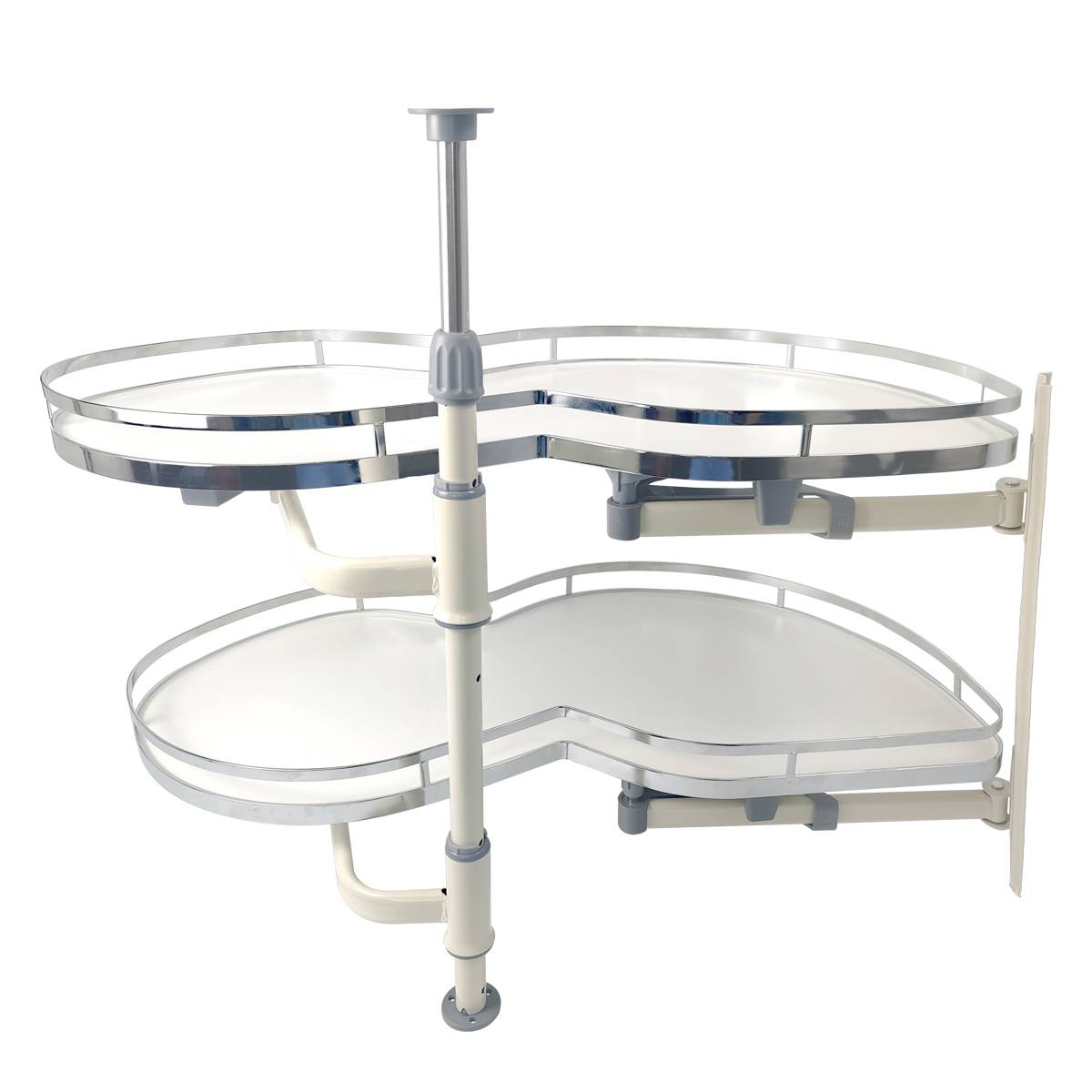
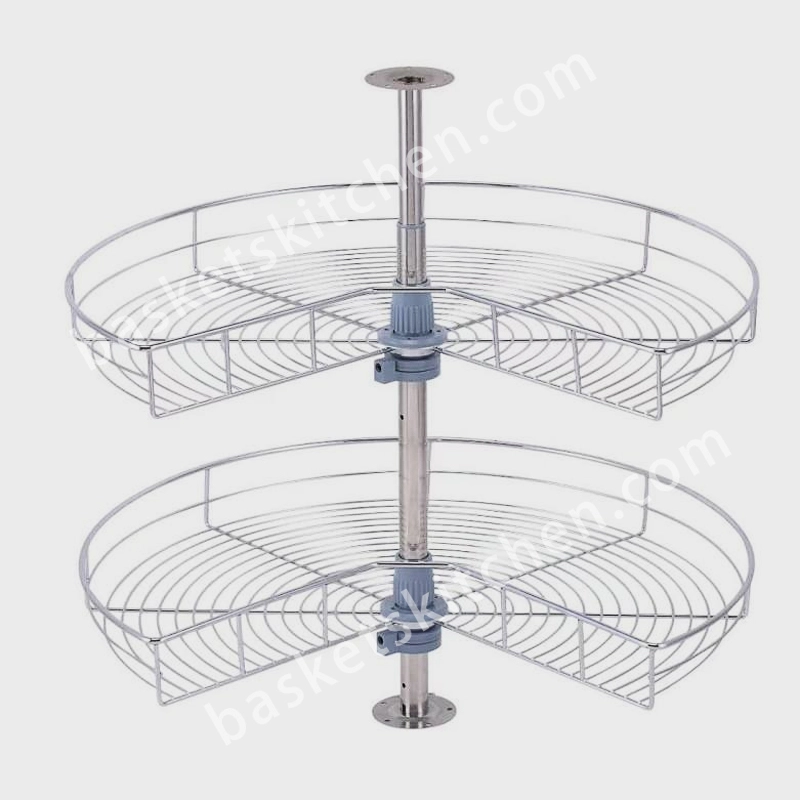
- 🔄 OEM Rotating Kitchen Baskets & Lazy Susans
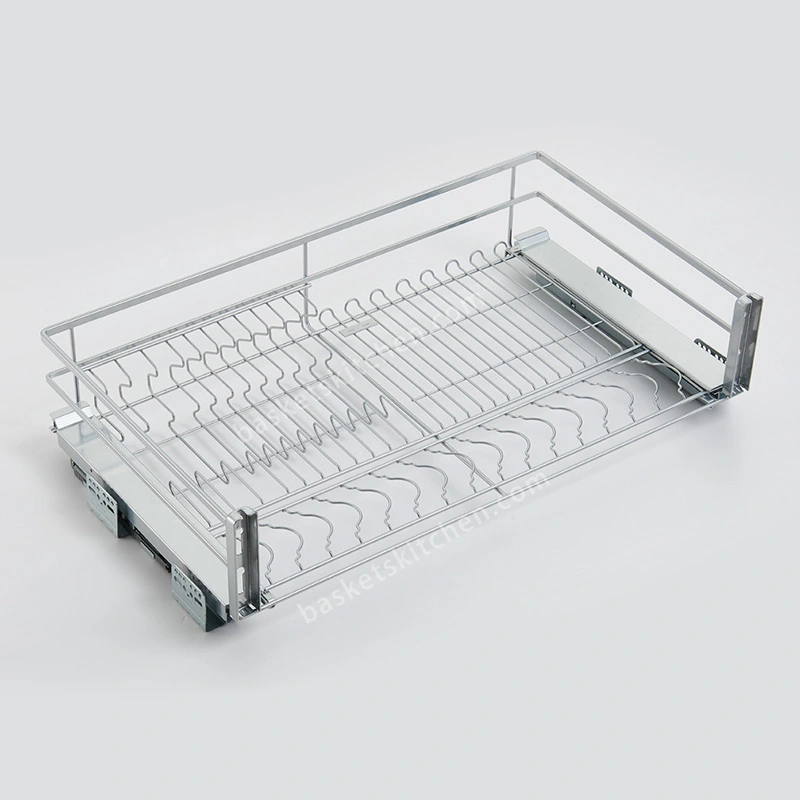
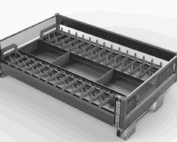
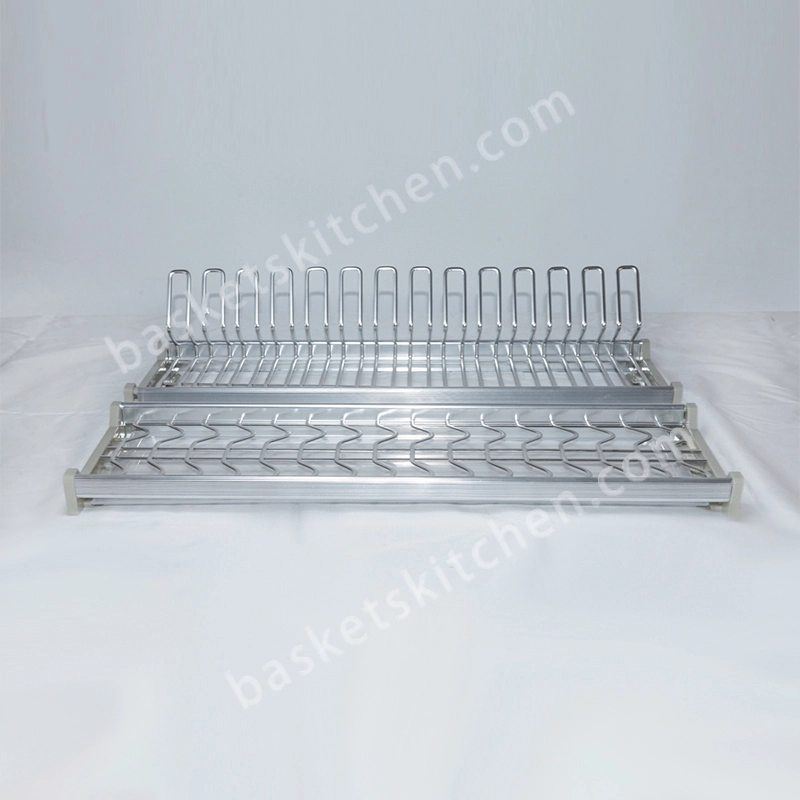
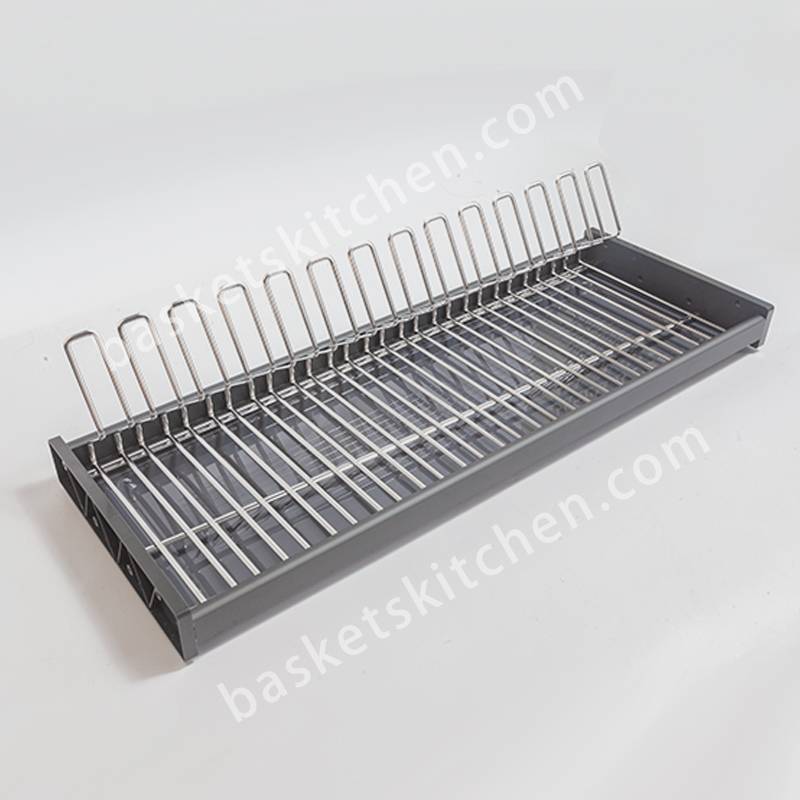
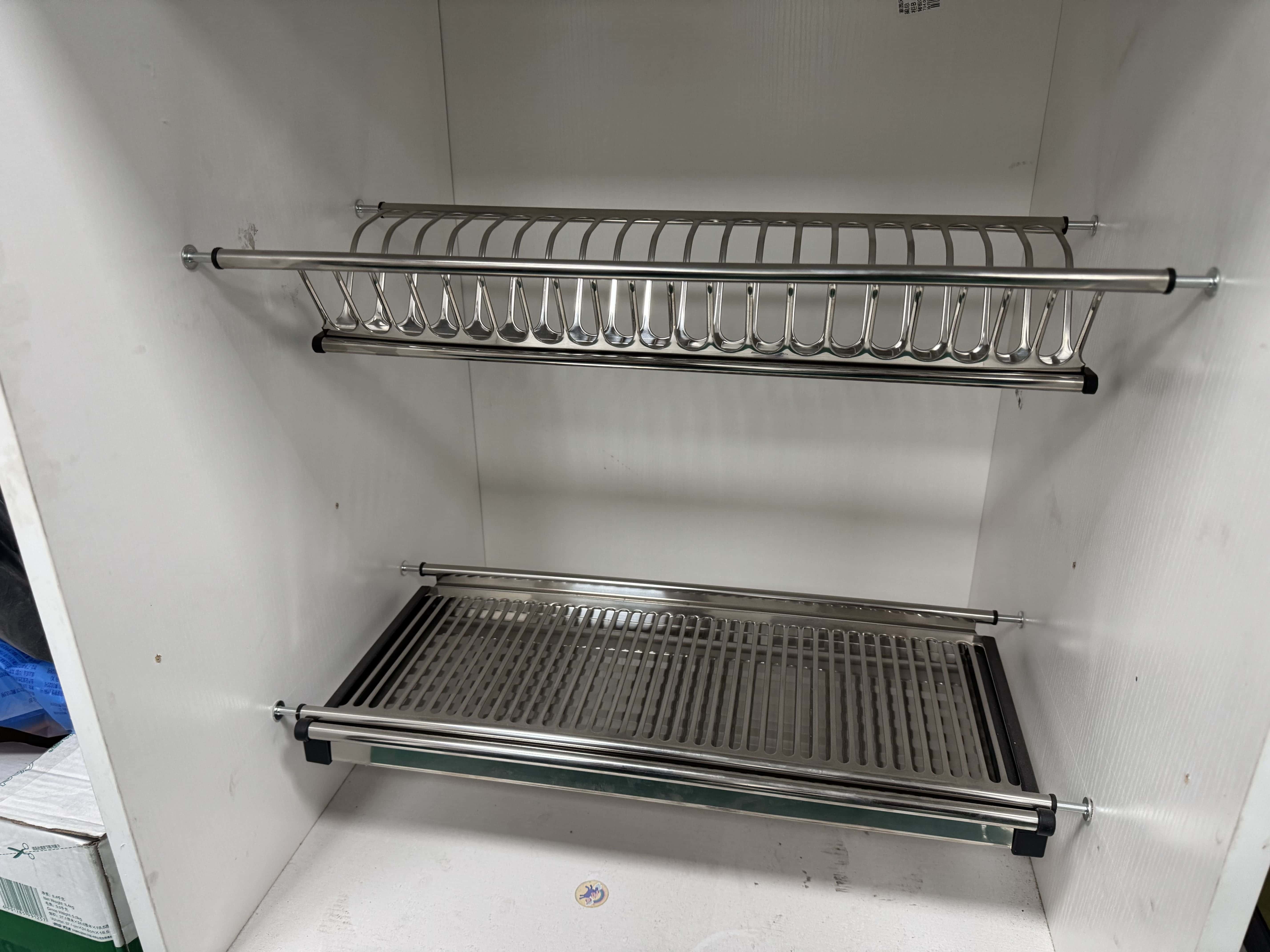
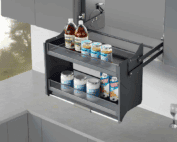
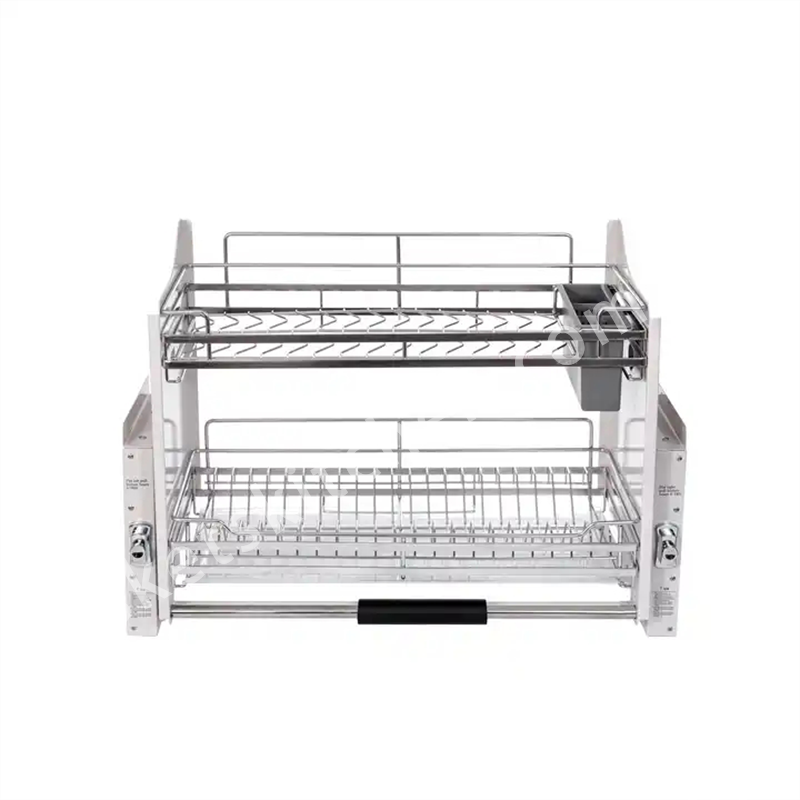
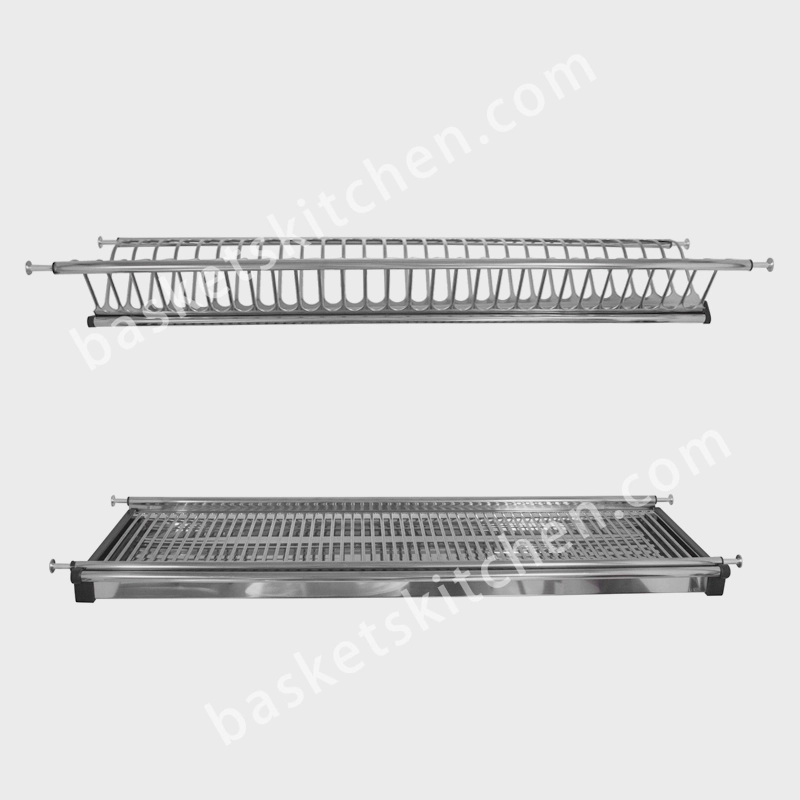
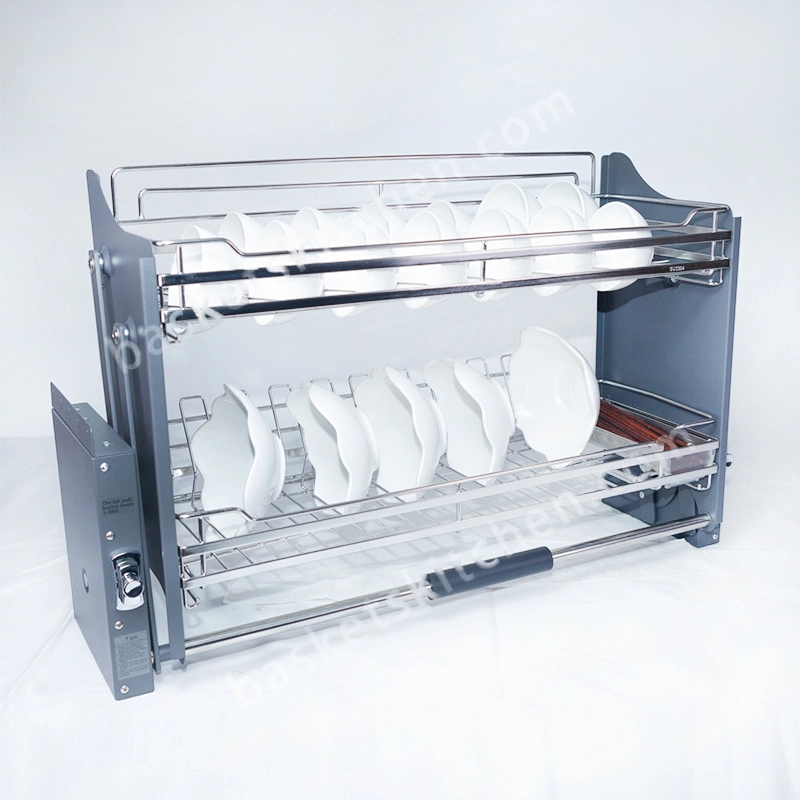
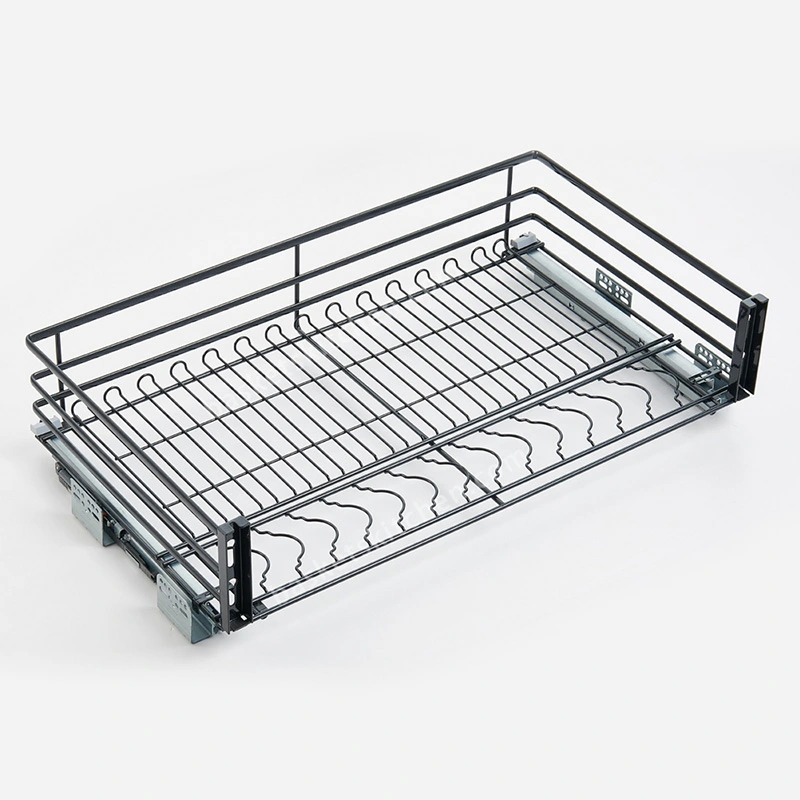
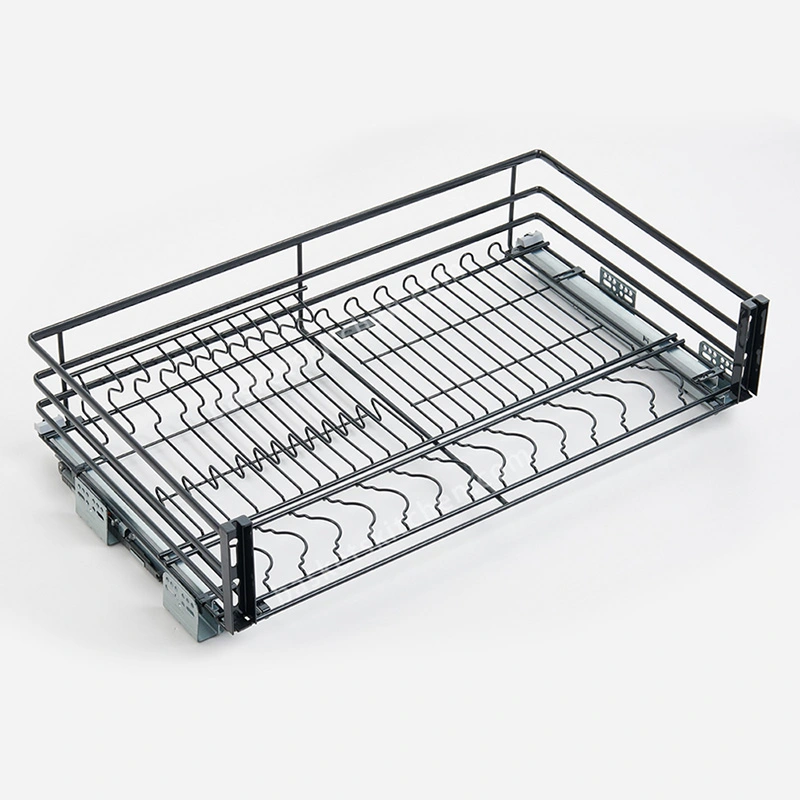
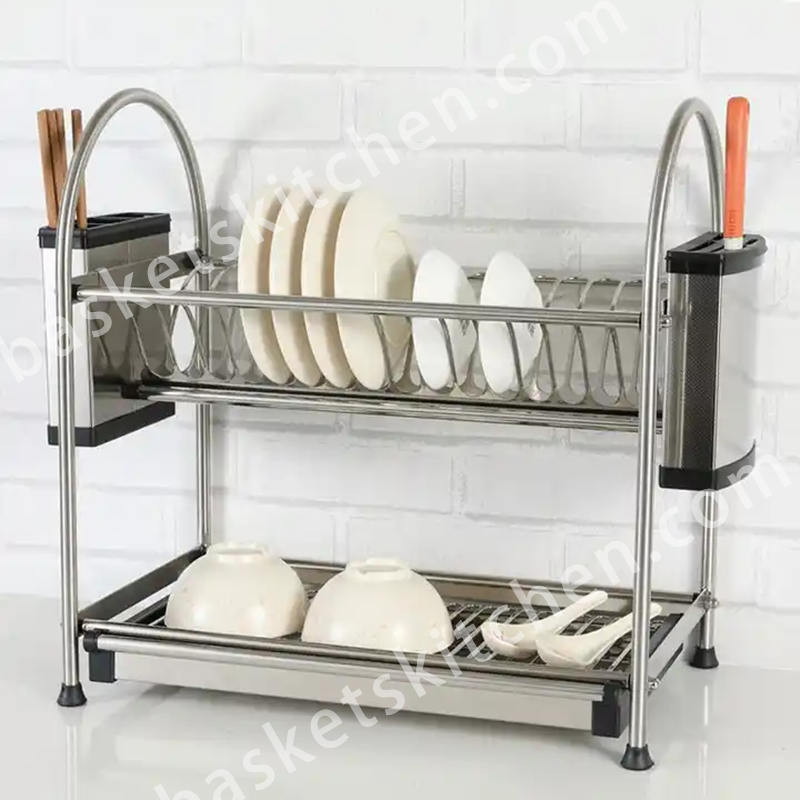
- 🍽️ Kitchen Dish Drying Rack – OEM Manufacturer
- 🔧 OEM Ancillary Cabinetry Components
📦 B2B WHOLESALE ONLY | 🏭 OEM & ODM
🚫 NO RETAIL | 🚫 NO SINGLE ORDERS
What Are OEMs in China?
OEM stands for Original Equipment Manufacturer. OEMs in China are manufacturers that produce goods according to specifications, drawings, samples, designs, or other requirements provided by a customer.
In a typical OEM arrangement, the buyer defines the product requirements and brand specifications, while the manufacturer handles production according to the agreed terms.
For example, a kitchen hardware wholesaler may provide a factory with the dimensions, materials, wire configuration, finish, and packaging requirements for a kitchen basket. The factory manufactures the product according to the approved specification.
OEM manufacturing is commonly used by:
- Importers sourcing products for their local markets
- Wholesalers purchasing products in commercial quantities
- Distributors expanding their product catalogs
- Kitchen brands developing branded product ranges
- Cabinet manufacturers sourcing compatible accessories
- Private-label companies building their own brands
For businesses sourcing kitchen storage products, a specialized China kitchen basket factory can be a relevant starting point.
Why Do Businesses Work with OEMs in China?
1. Access to Specialized Manufacturing
A specialized manufacturer may already have the equipment, production processes, and technical knowledge required for a particular product category.
For kitchen baskets, relevant capabilities may include wire forming, welding, surface finishing, basket assembly, slide mechanisms, and product-specific quality checks.
Buyers should choose factories based on their actual product requirements rather than assuming every manufacturer can produce every design.
2. Product Customization
OEM manufacturing allows buyers to define specifications for their intended market.
Depending on the factory and product, customization may include:
- Product dimensions
- Materials and wire styles
- Surface finishes
- Basket configurations
- Mounting and installation arrangements
- Functional components
- Logos and product labels
- Packaging and carton markings
Custom requirements should be reviewed and approved before mass production.
3. Bulk Manufacturing
OEM factories can be suitable for businesses that need commercial quantities and repeat orders.
Before committing, buyers should confirm minimum order quantities, production capacity, sample availability, lead times, and the factory’s procedures for maintaining consistent specifications across orders.
4. Private-Label Opportunities
Private-label manufacturing allows businesses to sell products under their own brand name.
Depending on the supplier’s services, a project may include branded packaging, logos, product labels, instructions, and customized product specifications.
Explore BasketsKitchen Custom Kitchen Basket Brand Solutions for branding and private-label manufacturing options.
5. Long-Term Manufacturing Partnerships
A dependable OEM relationship can support product development, repeat purchasing, and coordinated planning.
The strongest partnerships usually rely on clear specifications, realistic forecasts, documented quality requirements, responsive communication, and mutually agreed commercial terms.
OEM vs. ODM: Understanding the Difference
When researching OEMs in China, buyers will often encounter the term ODM.
What Is OEM Manufacturing?
OEM manufacturing generally follows the buyer’s design or specifications. The customer may provide drawings, samples, measurements, materials, finish requirements, or an existing product reference.
This model is appropriate for businesses that already know what they want to manufacture.
What Is ODM Manufacturing?
ODM stands for Original Design Manufacturer. In an ODM arrangement, the manufacturer contributes more to the design or development of the product.
A buyer may select an existing product and request modifications, or work with the factory to develop a product around specific market needs.
Which Model Should You Choose?
Choose OEM when your product design and specifications are already defined.
Consider ODM when you need assistance adapting an existing product or developing a suitable configuration.
For both models, clarify product ownership, design rights, tooling costs, customization limits, sample approval, and production responsibilities before signing an agreement.
BasketsKitchen offers contract manufacturing for kitchen baskets and cabinet accessories for B2B buyers seeking OEM, ODM, and private-label production.
Which Industries Use OEMs in China?
OEM manufacturing serves many industries. The most suitable partner depends on the technical requirements of the product.
Kitchen Hardware and Cabinet Accessories
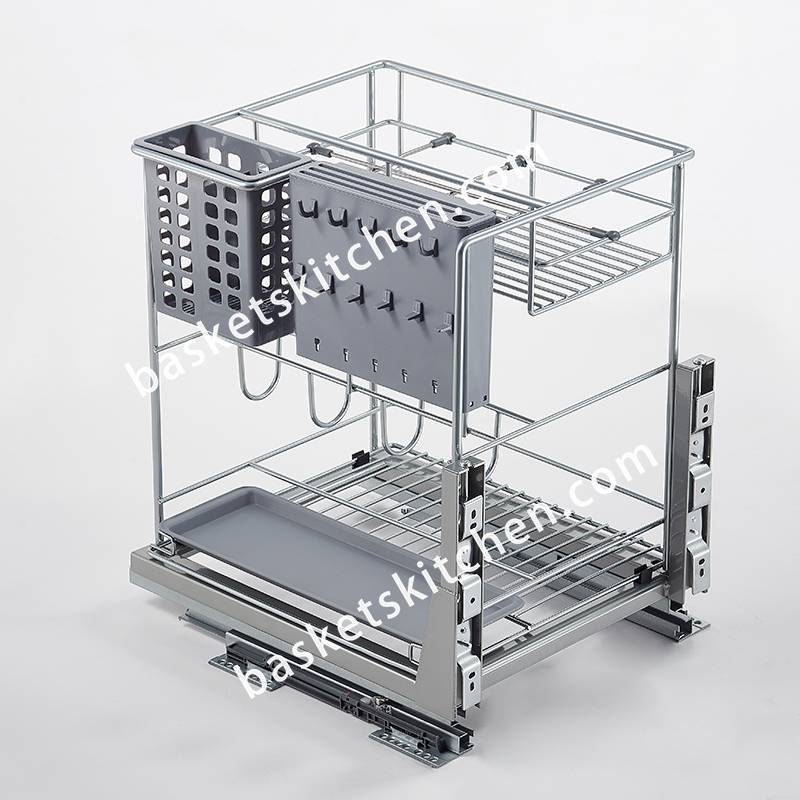
Kitchen brands, cabinet manufacturers, and hardware wholesalers may source pull-out baskets, pantry organizers, blind corner systems, rotating storage, dish racks, and other cabinet accessories.
Home Organization Products
Businesses developing storage products may work with manufacturers that specialize in metal wire products, shelving, organizers, or household storage components.
Furniture Components
Furniture brands and manufacturers may require metal fittings, storage components, frames, or customized hardware to match their products.
Industrial and Metal Products
Industrial buyers may source fabricated metal parts and other components from factories with the required technical capabilities, equipment, and quality systems.
Important: A general OEM supplier is not necessarily suitable for specialized kitchen basket production. Buyers should verify that a prospective factory has relevant manufacturing experience and can meet the required specifications.
How to Choose Reliable OEMs in China
Choosing the right factory is one of the most important steps in a sourcing project.
1. Verify Manufacturing Experience
Review the supplier’s product catalog, factory information, manufacturing specialization, and examples of relevant products.
Ask whether the supplier manufactures the products directly or sources them from other companies. A clear understanding of its role can help you assess communication, production control, and accountability.
2. Request Product Samples
Samples allow buyers to evaluate product construction, dimensions, materials, finish, assembly, and functional performance before placing a bulk order.
For kitchen baskets, test cabinet compatibility and movement where applicable. Record any changes required and obtain approval of the final sample or specification.
3. Confirm Material Specifications
Avoid relying only on general material descriptions.
For example, if stainless steel grade matters to your product, specify the required grade and request appropriate supporting documentation. Confirm coating and finish requirements in writing.
4. Review Quality-Control Procedures
Ask the factory how it checks products during production and before shipment.
Depending on the product, inspection criteria may cover:
- Dimensional accuracy
- Material conformity
- Welding and construction
- Surface finish consistency
- Sliding or rotating performance
- Assembly and installation
- Packaging and labeling
- Quantity verification
For larger projects, buyers may arrange independent inspections using agreed acceptance criteria.
5. Compare Total Sourcing Costs
The lowest factory quotation does not always represent the lowest overall cost.
Consider the full commercial picture, including:
- Unit price
- Tooling or development charges
- Sample costs
- Packaging
- Inland transportation
- Freight and insurance
- Import duties and taxes
- Inspection expenses
- Potential rework or replacement costs
Compare quotations using the same product specification, order quantity, packaging requirements, and shipping terms.
6. Check Communication and Documentation
A reliable manufacturing partner should be able to explain specifications, quotation terms, payment arrangements, production schedules, and shipment requirements clearly.
Keep approved drawings, samples, quotations, inspection criteria, and packaging specifications documented to reduce misunderstandings.
7. Understand Minimum Order Quantities
Minimum order quantity, commonly called MOQ, varies by product, material, customization, packaging, and factory requirements.
Ask for the MOQ for each product rather than assuming one quantity applies to an entire catalog. Confirm whether sample orders and repeat orders have different terms.
OEM Kitchen Basket Manufacturing in China
For businesses sourcing kitchen storage products, working with a specialized manufacturer can simplify product selection and development.
BasketsKitchen focuses on kitchen baskets and cabinet storage accessories for B2B customers, including wholesalers, importers, distributors, kitchen brands, cabinet manufacturers, and private-label businesses.
Pull-Out Kitchen Baskets
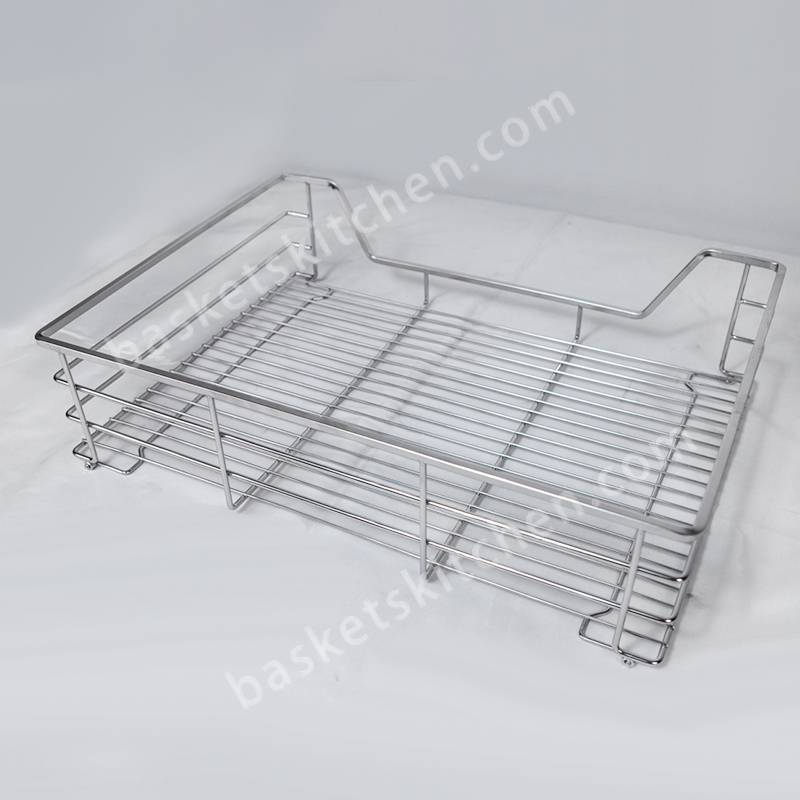
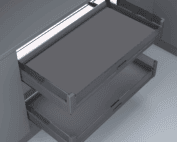
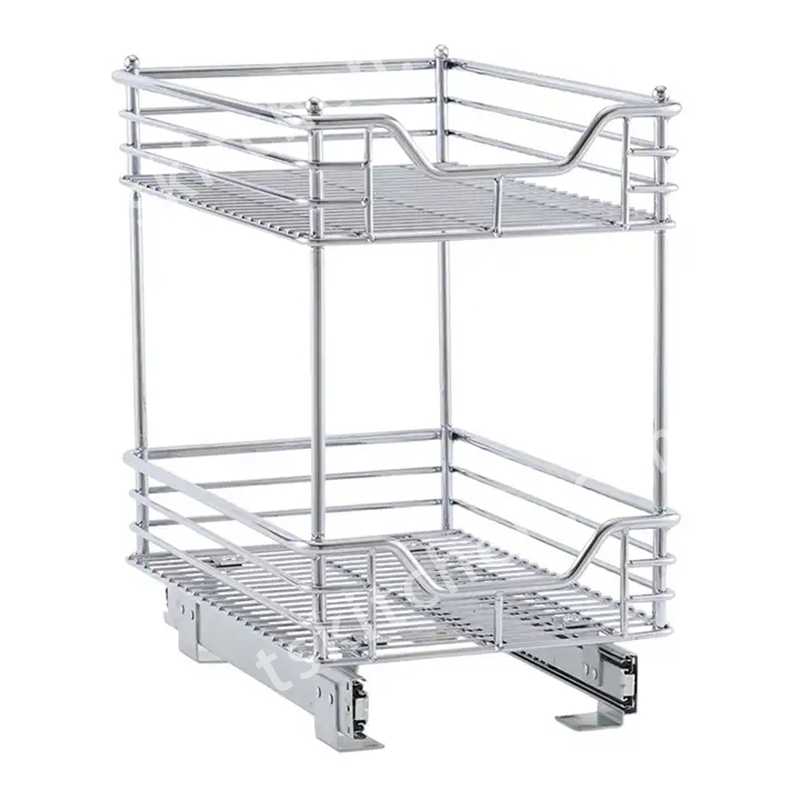
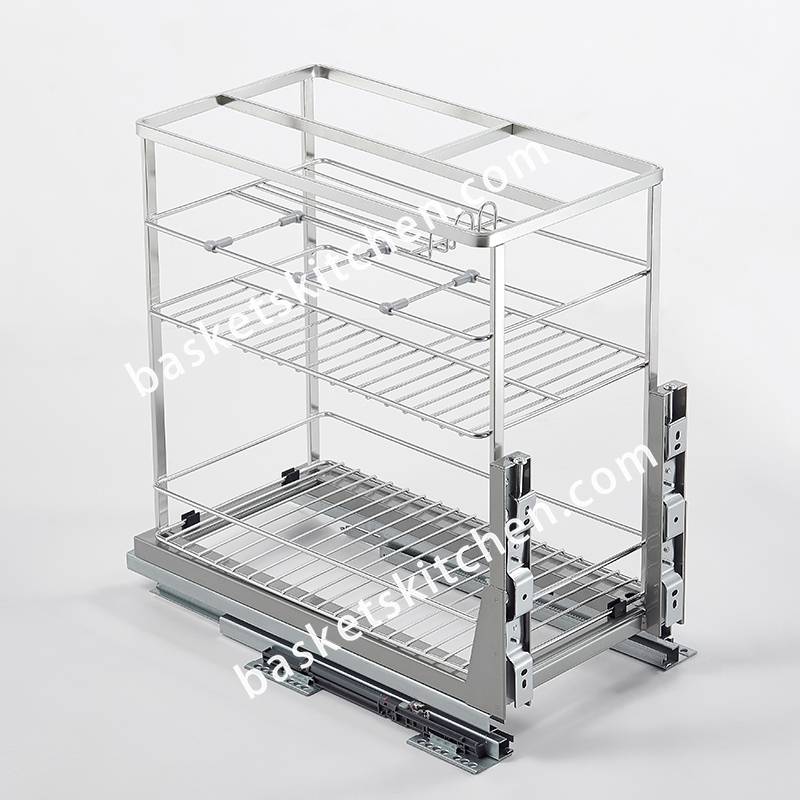
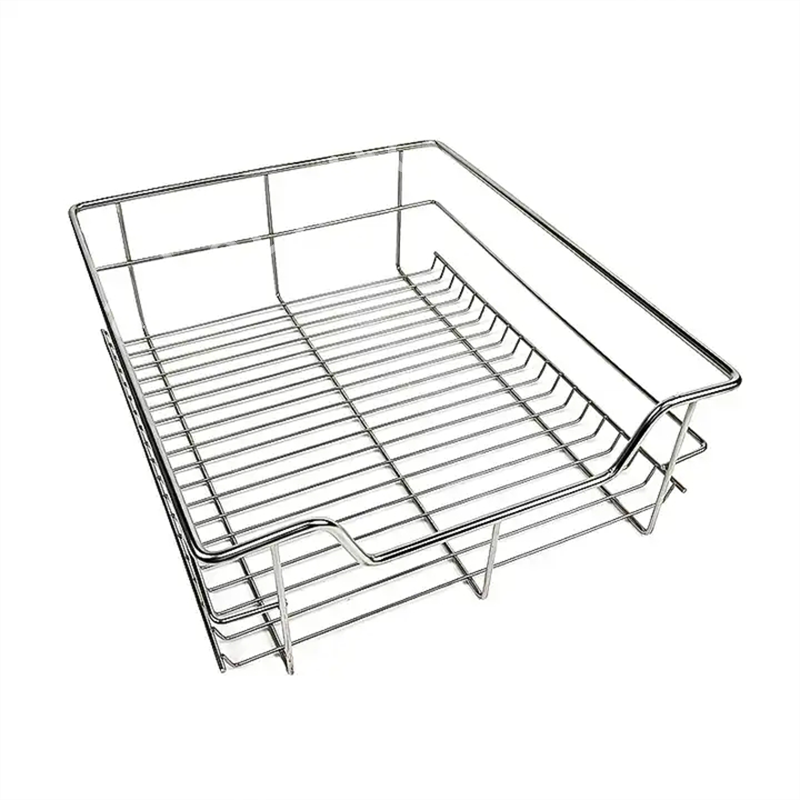
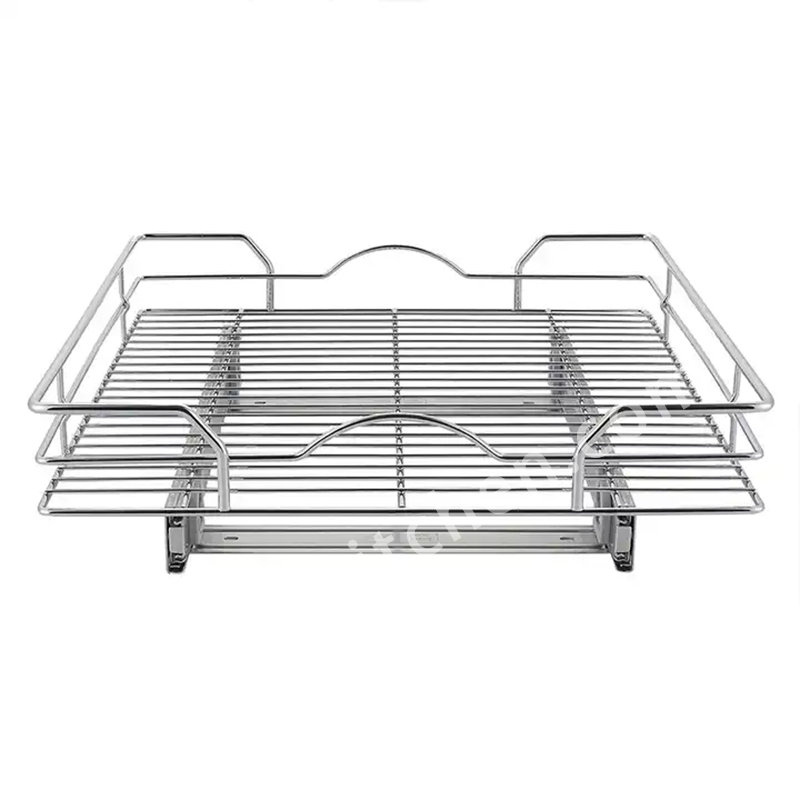
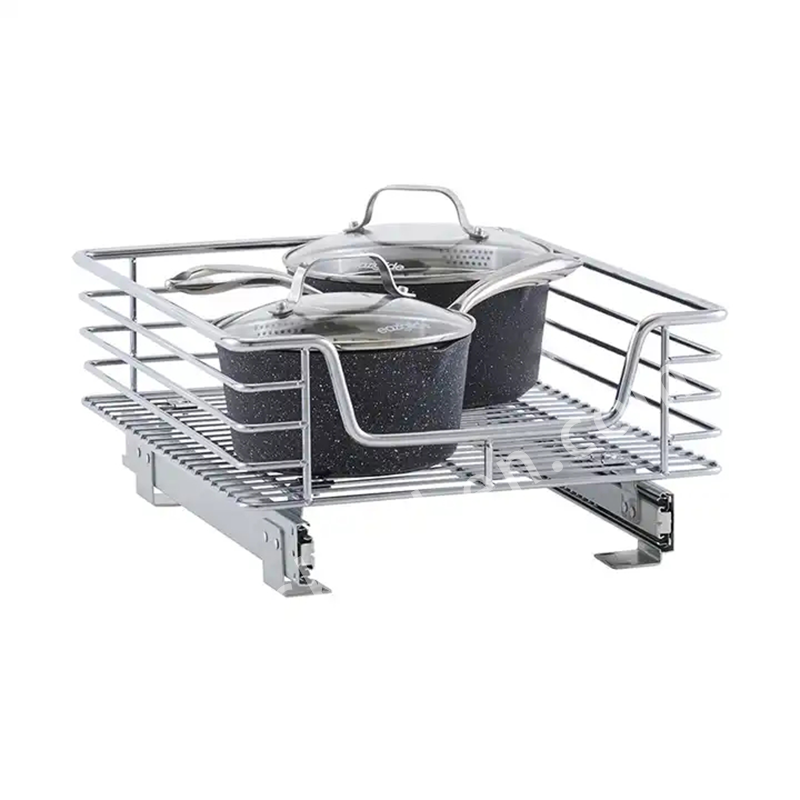
Pull-out baskets provide accessible storage within kitchen cabinets. Buyers should confirm cabinet dimensions, runner requirements, load expectations, materials, finish, and installation details.
Explore the kitchen pull-out basket manufacturer product page.
Base Cabinet Organizers
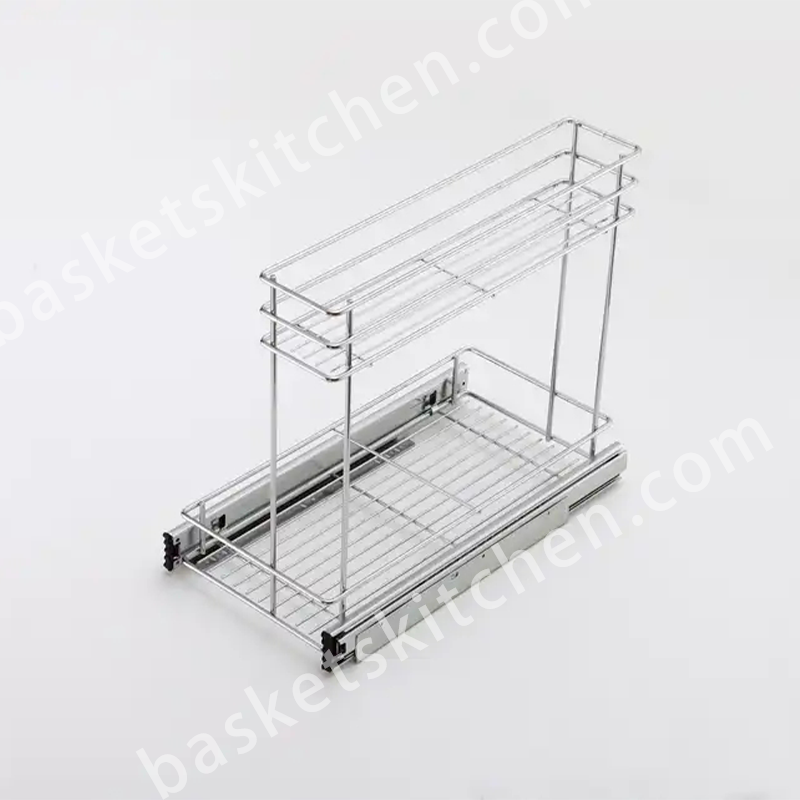
Base cabinet storage products are designed for lower cabinets and can be configured for different storage applications.
Review the OEM base cabinet components category.
Blind Corner Storage Systems
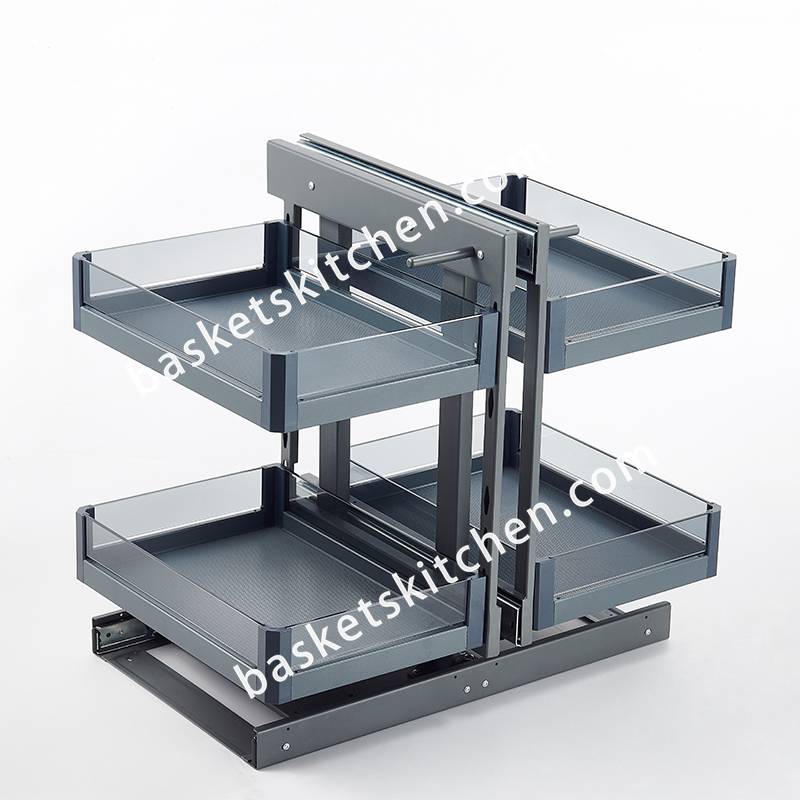
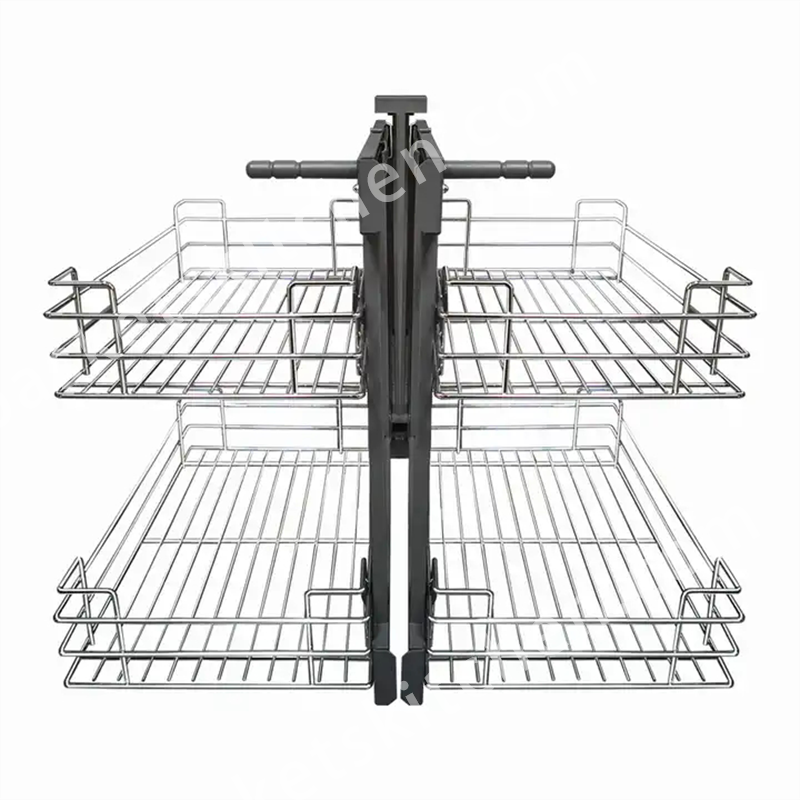
Blind corner organizers help make suitable corner cabinet spaces more accessible. Buyers should confirm the cabinet opening, internal dimensions, mechanism, mounting requirements, and finish.
Browse OEM blind corner cabinet systems.
Pantry Units
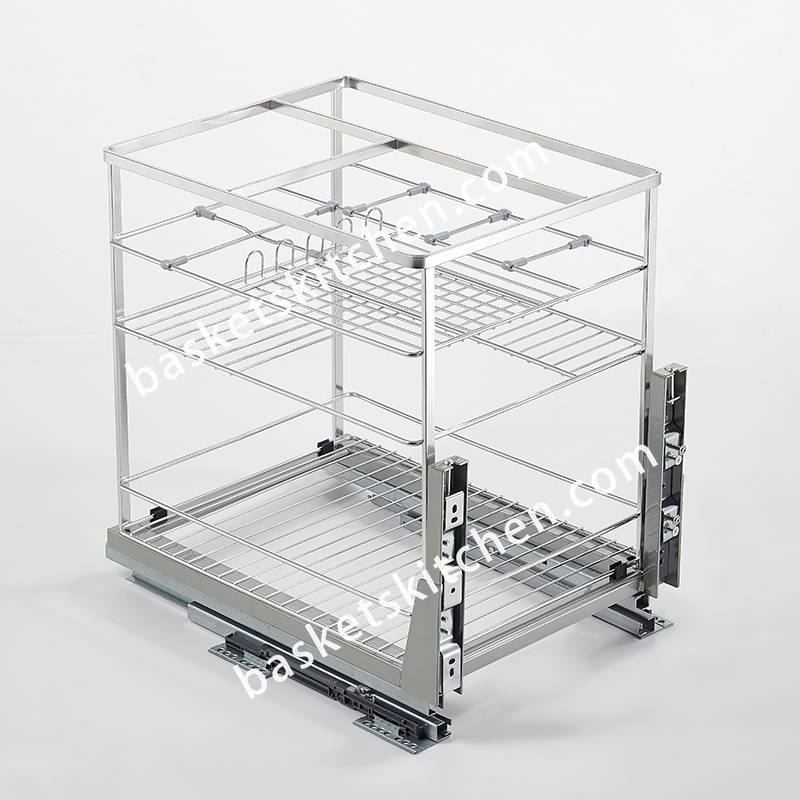
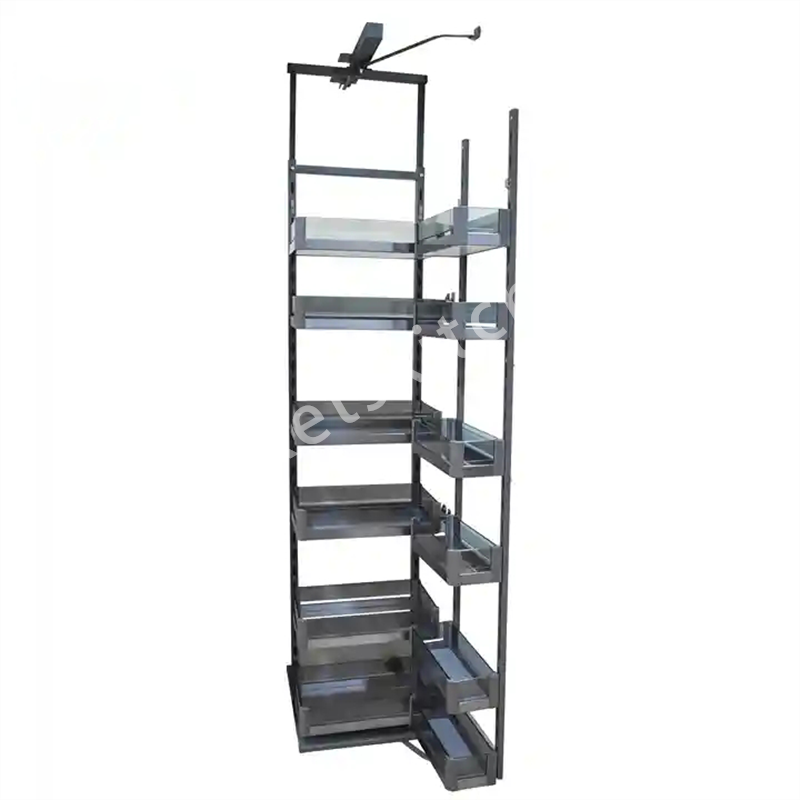
Tall pantry units offer storage options for vertical cabinet spaces. Confirm the available cabinet dimensions, mounting arrangement, basket configuration, and installation method.
Explore tall pantry cabinet units.
Rotating Baskets and Lazy Susans
Rotating baskets can be used in compatible cabinet layouts to improve access to stored items. Buyers should check rotation mechanisms, cabinet measurements, mounting, and tier configurations.
View OEM rotating kitchen baskets and Lazy Susans.
Kitchen Dish Drying Racks
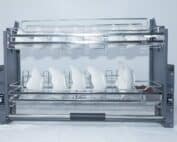
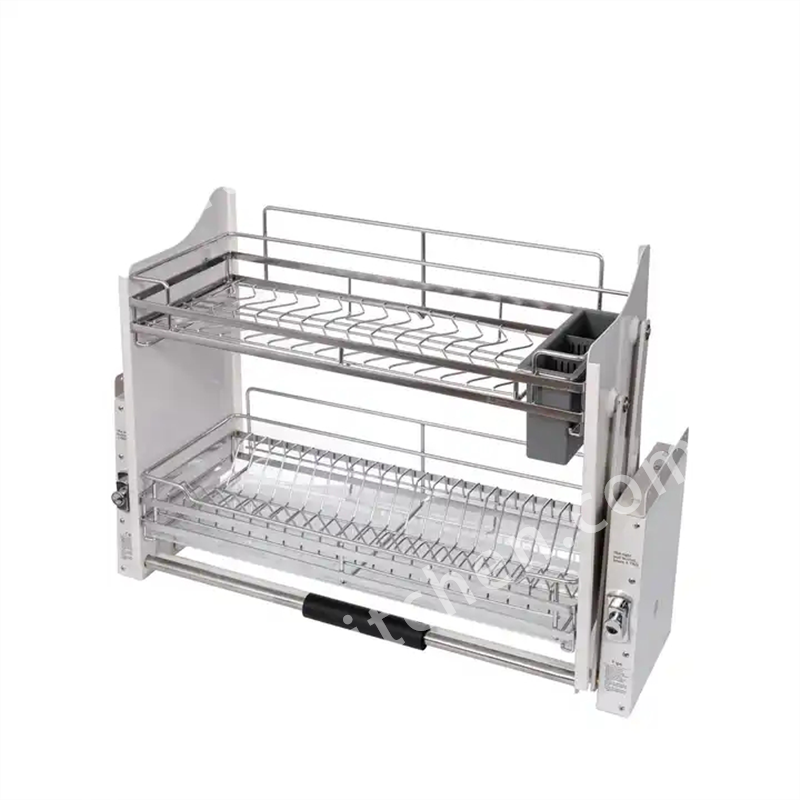
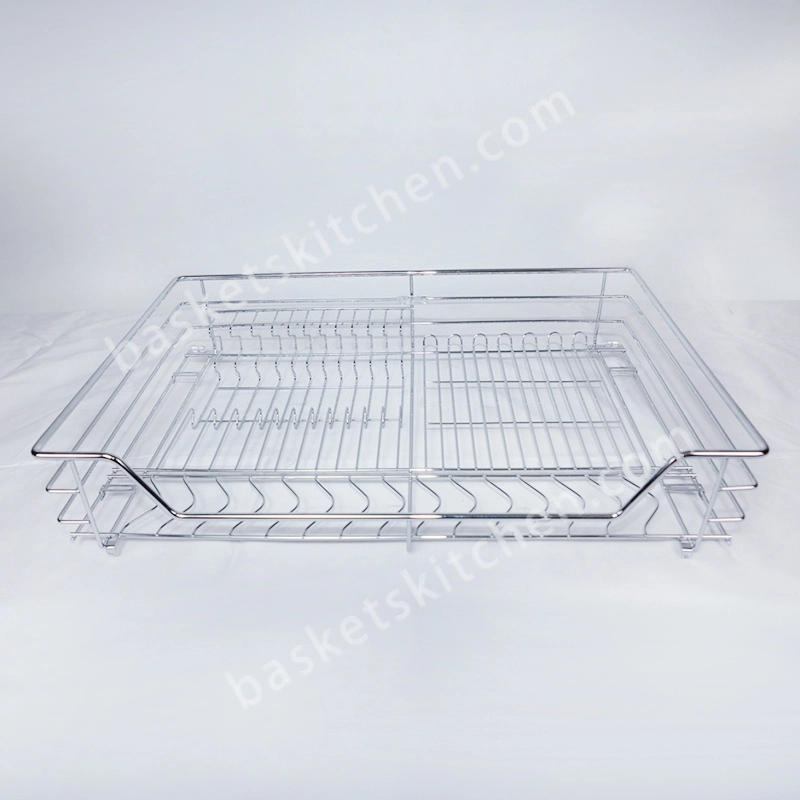
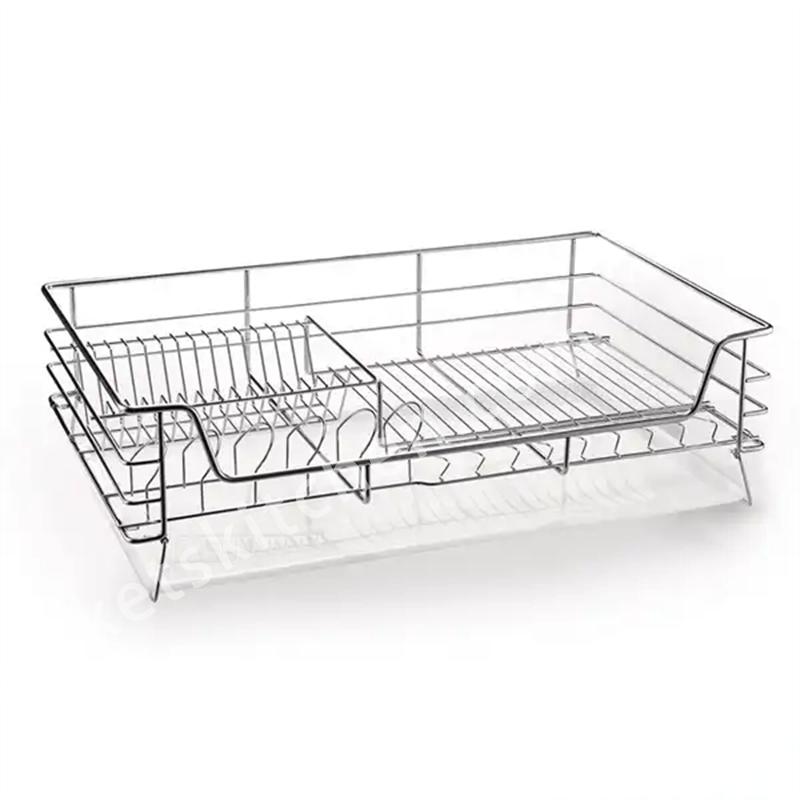
Dish racks are used in kitchen cabinet storage systems for plates, bowls, and other kitchenware. Confirm dimensions, materials, drainage considerations, and installation requirements.
Explore kitchen dish drying racks for OEM and wholesale.
Private-Label Manufacturing with OEMs in China
Private-label manufacturing gives businesses an opportunity to establish their own product identity while using an external manufacturing partner.
A kitchen basket private-label project may involve:
- Selecting products from an existing catalog
- Adjusting dimensions or configurations
- Approving product samples
- Applying logos and labels
- Customizing packaging
- Preparing product documentation
- Establishing repeat-order specifications
Before production, buyers should confirm branding responsibilities, artwork approval, packaging costs, minimum quantities, design ownership, and any exclusivity arrangements.
BasketsKitchen supports relevant requirements through its custom kitchen basket brand solutions.
How to Start an OEM Project in China
A structured process helps buyers and manufacturers understand their responsibilities.
Step 1: Define the product. Identify the product category, intended application, dimensions, material, and required features.
Step 2: Prepare specifications. Provide drawings, photos, samples, or a detailed specification sheet where possible.
Step 3: Request a quotation. State the estimated quantity, branding requirements, packaging details, destination market, and target schedule.
Step 4: Evaluate the sample. Review the sample against the approved requirements and document necessary changes.
Step 5: Confirm commercial terms. Agree on pricing, MOQ, payment terms, production schedule, inspection requirements, and delivery arrangements.
Step 6: Approve production. Confirm the final specifications and packaging before mass production starts.
Step 7: Inspect and ship. Complete the agreed quality checks and verify shipping documentation before dispatch.
This process can help reduce misunderstandings and improve coordination between the buyer and the factory.
Why Consider BasketsKitchen?
BasketsKitchen is a B2B kitchen basket and cabinet storage manufacturer based in Guangzhou, China. Its product range includes pull-out baskets, base cabinet organizers, blind corner systems, pantry units, rotating baskets, and dish drying racks.
The company supports professional buyers looking for:
- OEM manufacturing
- ODM product development
- Custom kitchen basket specifications
- Private-label branding
- Packaging customization
- Bulk B2B supply
Our manufacturing services are intended for wholesalers, importers, distributors, cabinet manufacturers, modular kitchen companies, kitchen brands, and private-label businesses.
You can explore the BasketsKitchen OEM kitchen basket catalog to review the available product categories.
Frequently Asked Questions
1. What does OEM mean in China?
OEM refers to manufacturing products according to a buyer’s designs, specifications, samples, or agreed requirements. The exact responsibilities depend on the contract between the buyer and manufacturer.
2. How do I find reliable OEMs in China?
Identify factories with relevant product expertise, review their documentation and manufacturing capabilities, request samples, confirm quality-control procedures, and agree on specifications and commercial terms before placing a bulk order.
3. What is the difference between an OEM and a trading company?
An OEM is a manufacturer that produces goods according to agreed requirements. A trading company generally coordinates sourcing and sales, potentially using one or more third-party factories. Some suppliers combine both roles, so buyers should verify the supplier’s actual responsibilities.
4. Can OEM factories in China produce private-label products?
Many factories offer private-label services, which may include logos, product labels, packaging, and customized specifications. Available services depend on the factory and project.
5. Is OEM manufacturing suitable for small businesses?
It can be, provided the business can meet the factory’s MOQ, development costs, and commercial terms. Buyers should ask about sample options, standard products, and customization costs before proceeding.
6. What should I include in an OEM inquiry?
Include the product type, drawings or reference images, dimensions, material, finish, estimated quantity, packaging, branding, destination market, and desired delivery schedule.
7. Does BasketsKitchen offer OEM and ODM services?
Yes. BasketsKitchen provides OEM, ODM, private-label, and custom manufacturing services for kitchen baskets and cabinet storage accessories for B2B buyers.
8. Does BasketsKitchen accept individual retail orders?
BasketsKitchen focuses on B2B wholesale, bulk manufacturing, OEM, ODM, and private-label projects rather than single-piece retail orders.
Conclusion: Find the Right OEM Partner in China
Working with the right OEM in China can help businesses develop customized products, expand their catalogs, and build a private-label product range without establishing their own manufacturing facilities.
The best sourcing decisions are based on verified manufacturing capability, suitable product expertise, clear specifications, consistent quality requirements, transparent costs, and effective communication.
For wholesalers, importers, distributors, and kitchen brands sourcing kitchen baskets and cabinet storage accessories, BasketsKitchen offers a focused range of products and B2B manufacturing services.
Ready to discuss your OEM kitchen basket project?
Visit BasketsKitchen, explore our product catalog, and send your drawings, dimensions, estimated quantities, branding requirements, and packaging specifications to discuss your project.
BULK B2B WHOLESALE | OEM & ODM | PRIVATE & WHITE LABEL SERVICES
NO RETAIL | NO SINGLE ORDERS | NO PERSONAL USE
About the author : Maruf Hossain

Related Posts
Our OEM/ODM Kitchen Basket Category List
OEM Blind Corner Cabinet
Systems (6)

OEM Rotating Kitchen Baskets &Lazy Susans (3)
Kitchen Dish Drying Rack - OEM Manufacturer (2)
OEM Ancillary Cabinetry Components (4)