B2B Sales for Kitchen Basket Manufacturers: A Complete Guide for Wholesalers and Distributors
B2B Sales for Kitchen Basket Manufacturers: A Complete Guide for Wholesalers and Distributor
How B2B Sales Help Kitchen Basket Buyers Grow
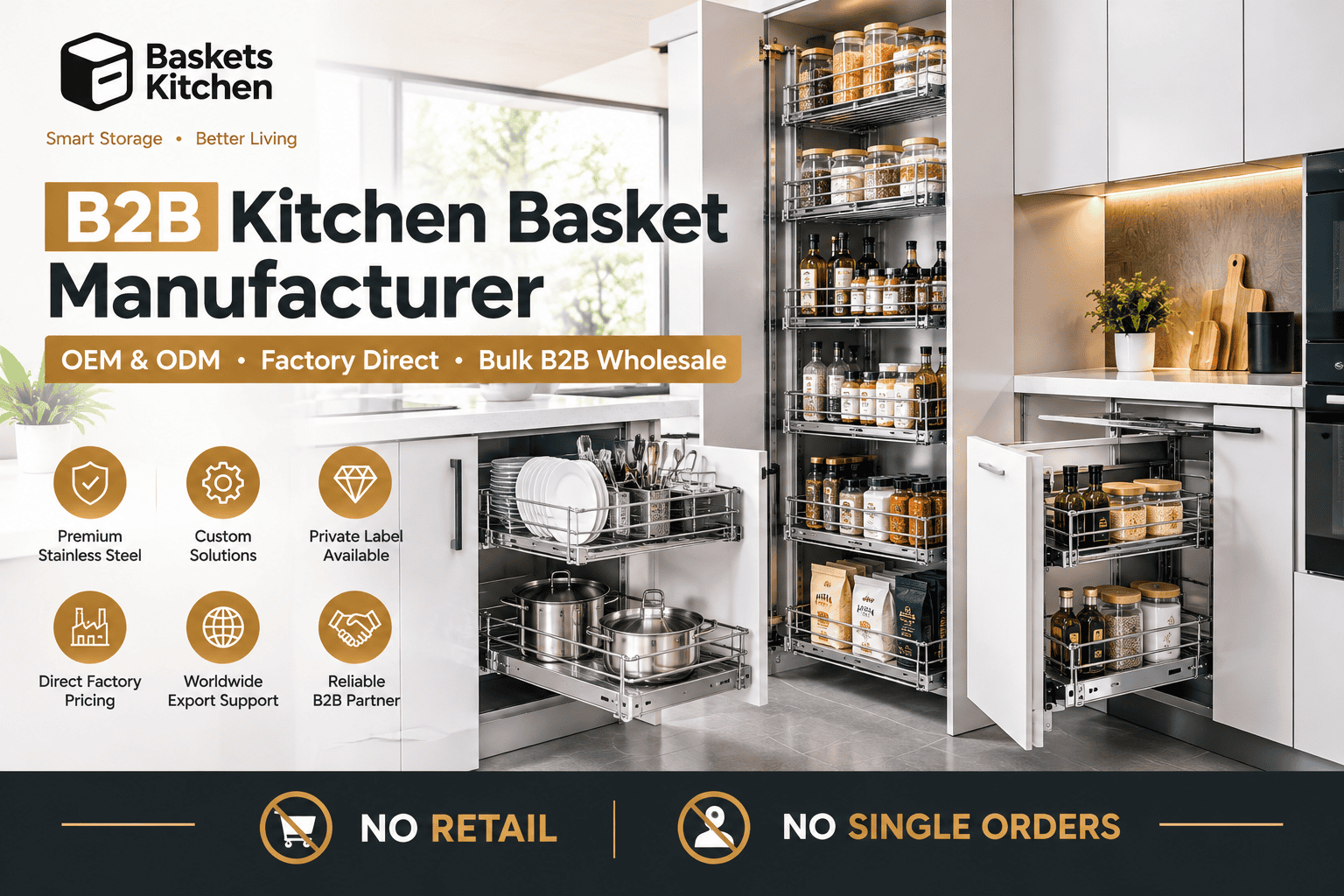
B2B sales play an important role in the kitchen storage and cabinet accessories industry. Wholesalers, importers, distributors, cabinet manufacturers, and kitchen brands need reliable manufacturing partners who can supply products in bulk, support customization, and maintain consistent product quality.
BasketsKitchen supports business buyers looking for kitchen basket manufacturing, OEM and ODM services, private-label solutions, and factory-direct wholesale supply. Our focus is on business-to-business partnerships rather than individual retail purchases.
Whether you are expanding a kitchen hardware distribution business, developing your own kitchen accessories brand, or sourcing cabinet storage products for large projects, choosing the right manufacturer can help improve sourcing efficiency and build long-term business relationships.
In this guide, we explain how B2B kitchen basket sales work, how to choose a manufacturer, and how wholesalers can develop a more effective purchasing strategy.
📚 OUR COMPLETE CATALOG
Explore our full range of OEM kitchen storage accessories and cabinet organization solutions, available for B2B wholesale, bulk orders, OEM & ODM projects.
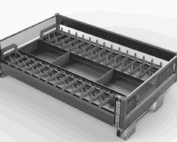
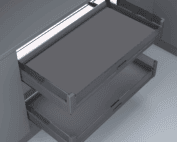
- 🏭 OEM Base Cabinet Components
- 🔄 OEM Blind Corner Cabinet Systems
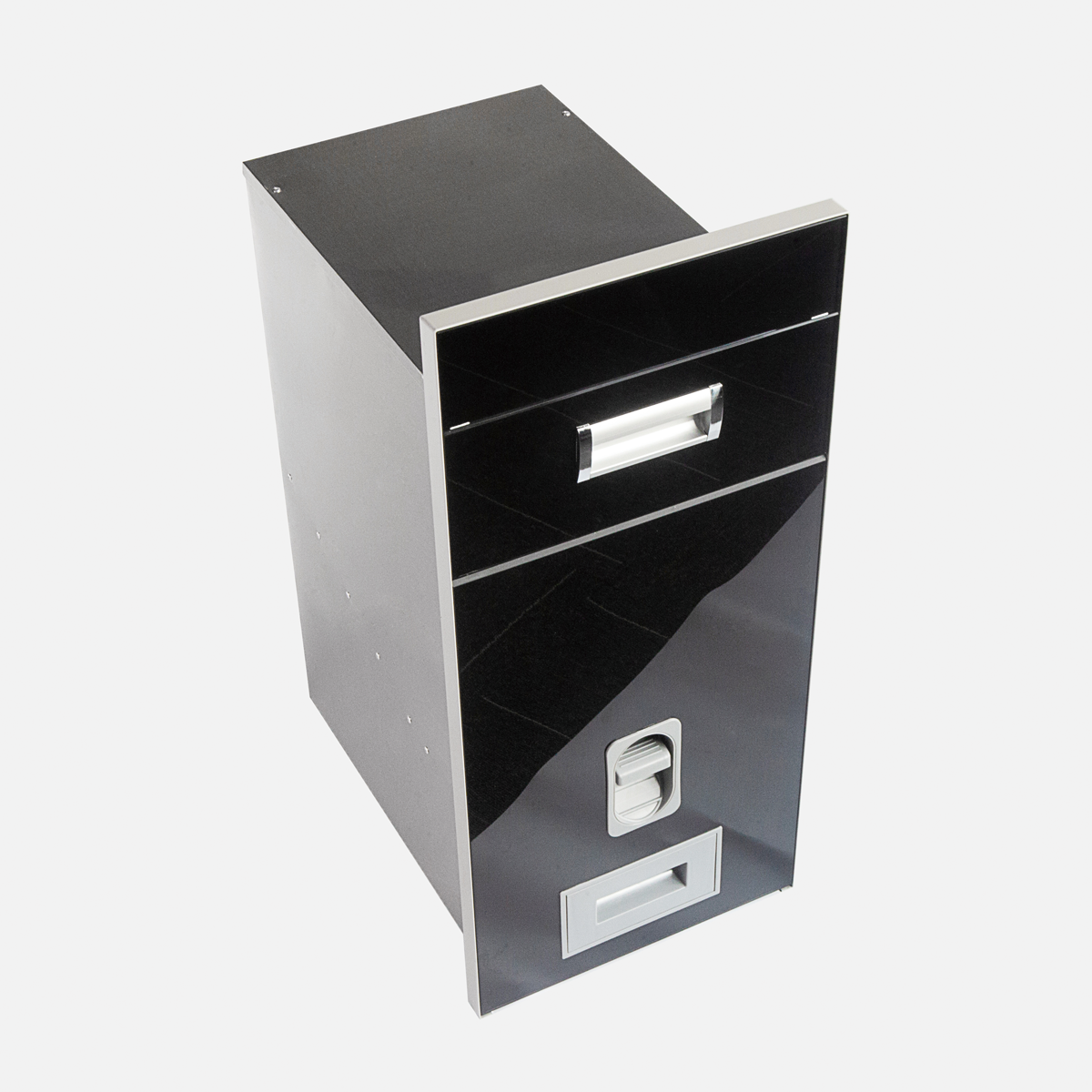
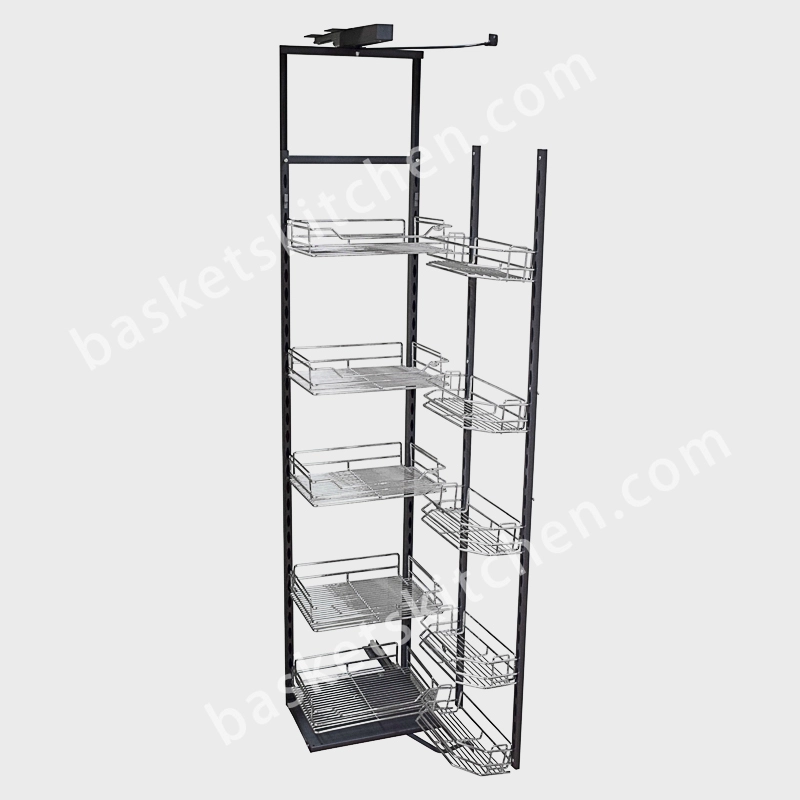
- 📦 Tall Pantry Cabinet Units – OEM Manufacturer & Exporter
- 🗄️ OEM Upper Cabinet Storage Modules
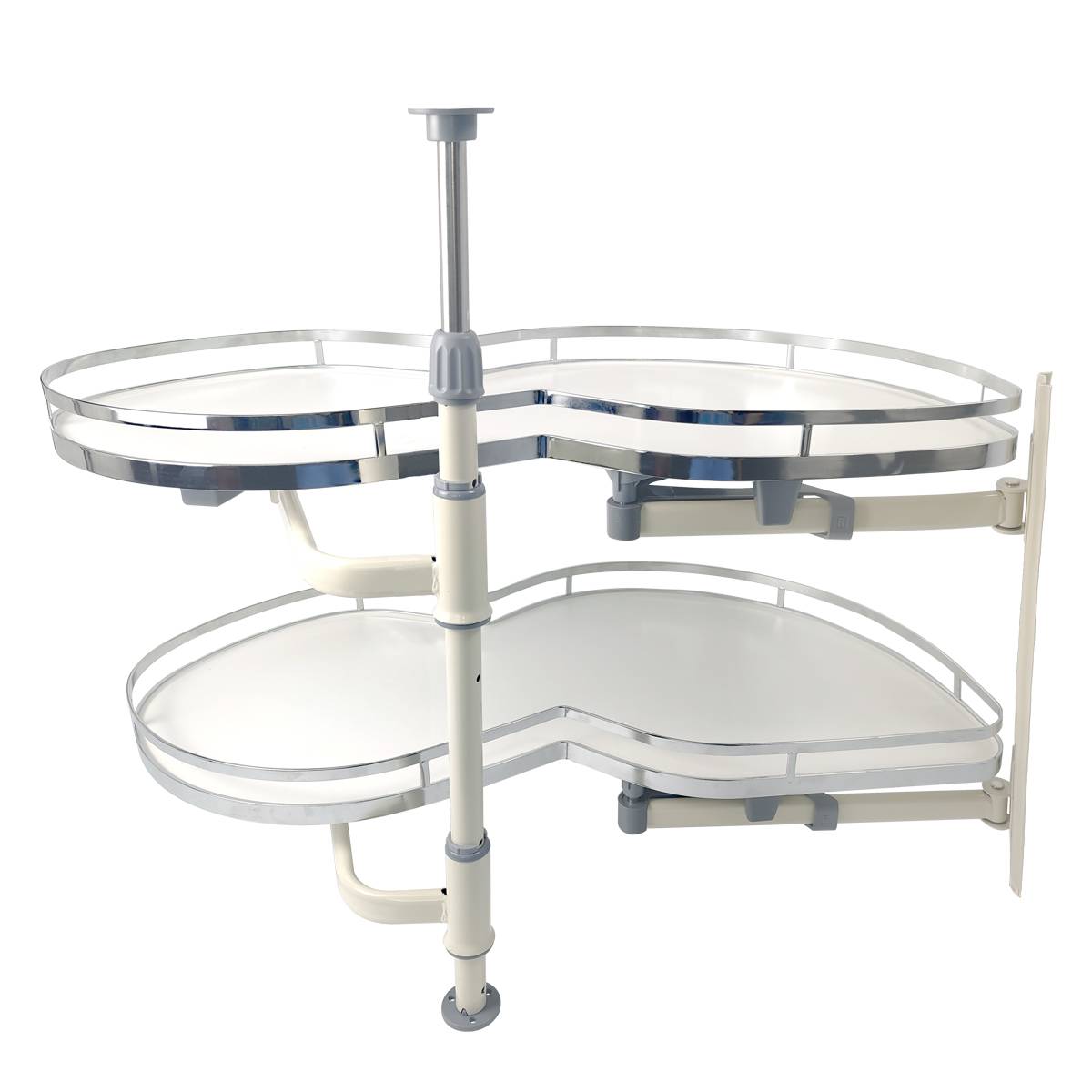
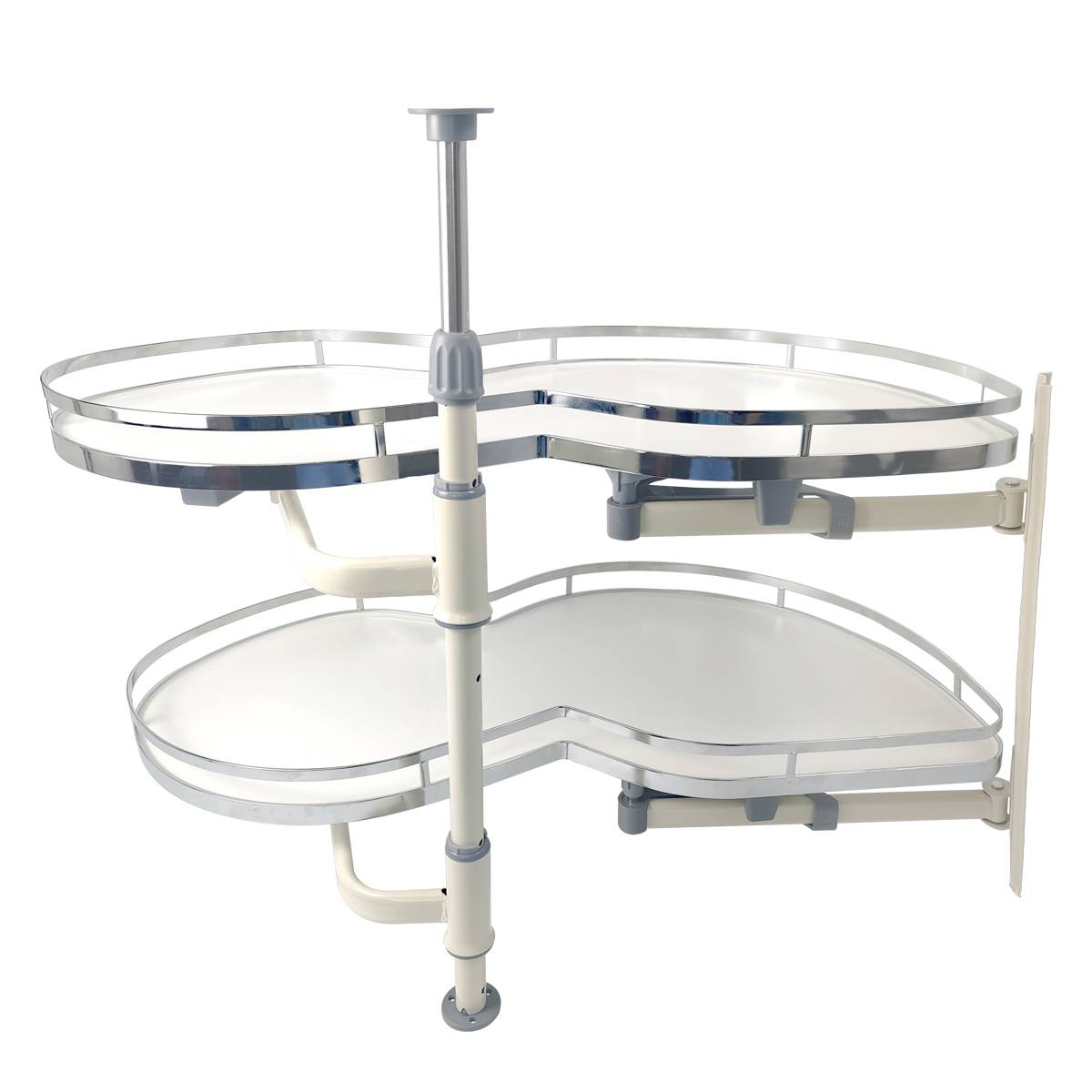
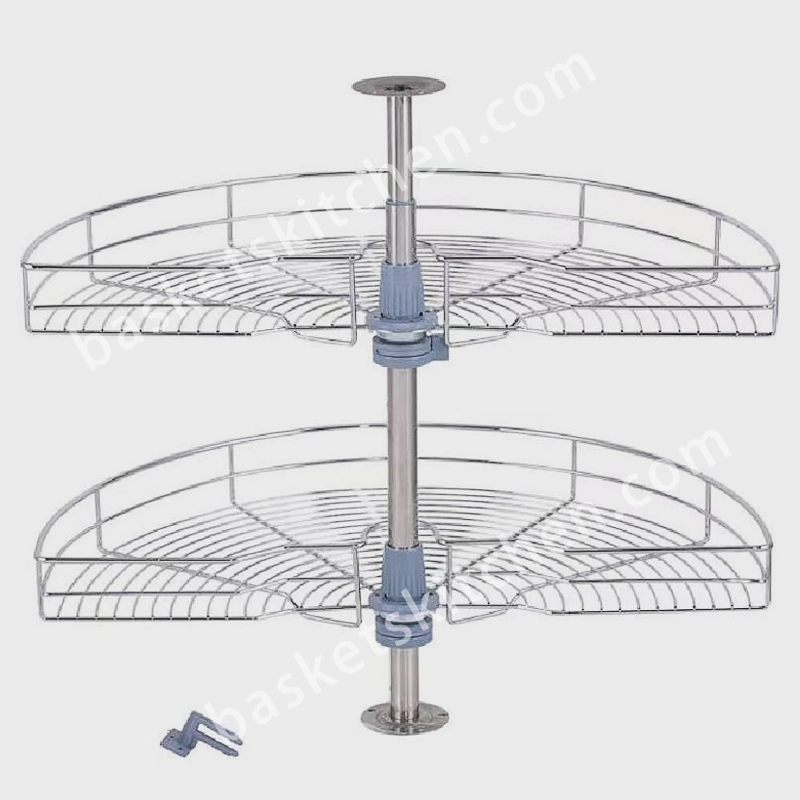
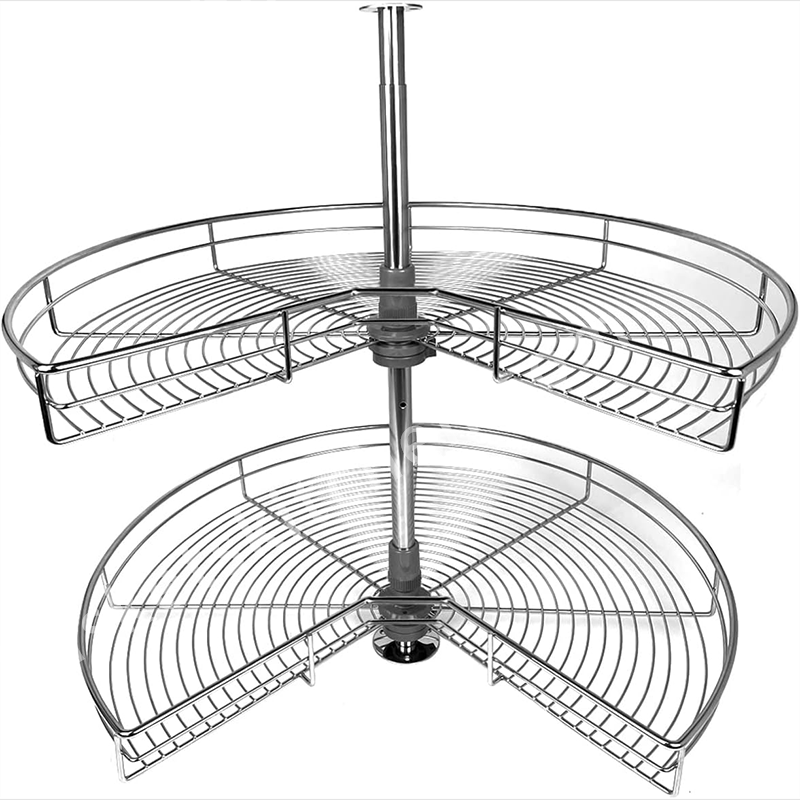
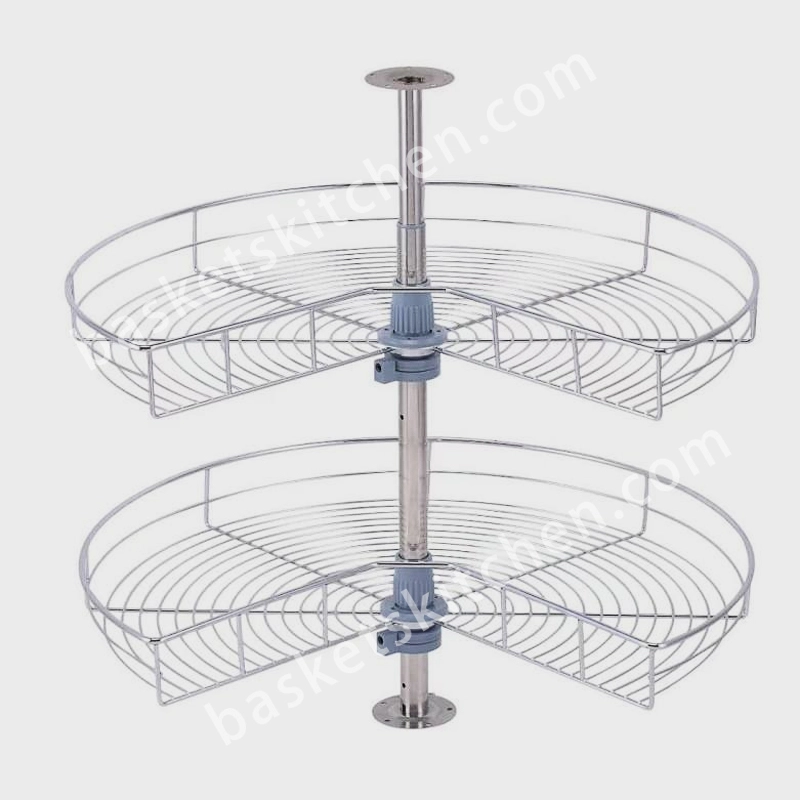
- 🔄 OEM Rotating Kitchen Baskets & Lazy Susans
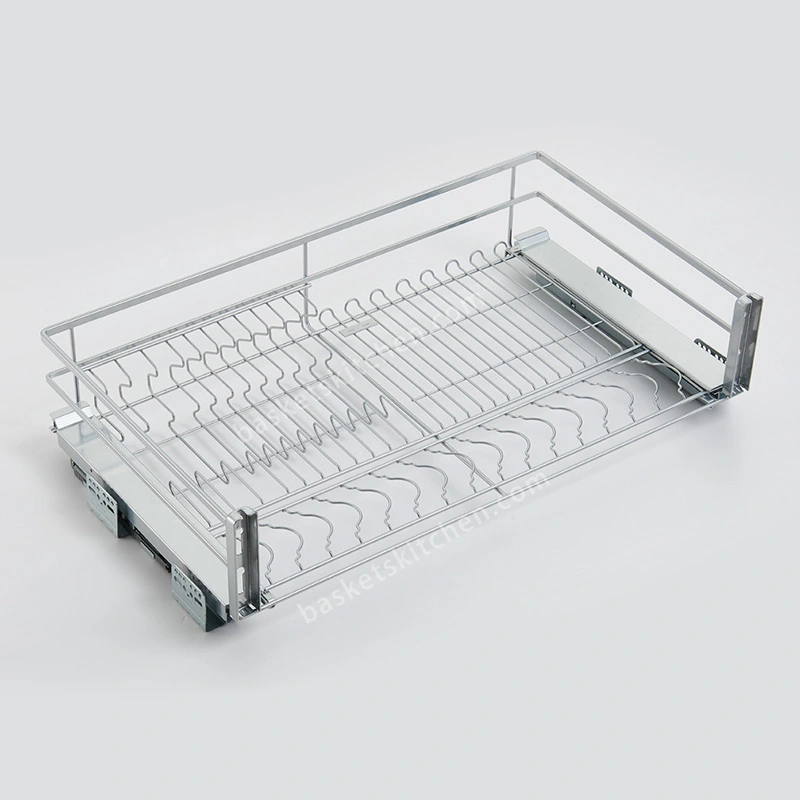
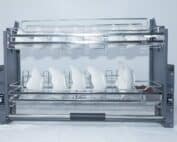
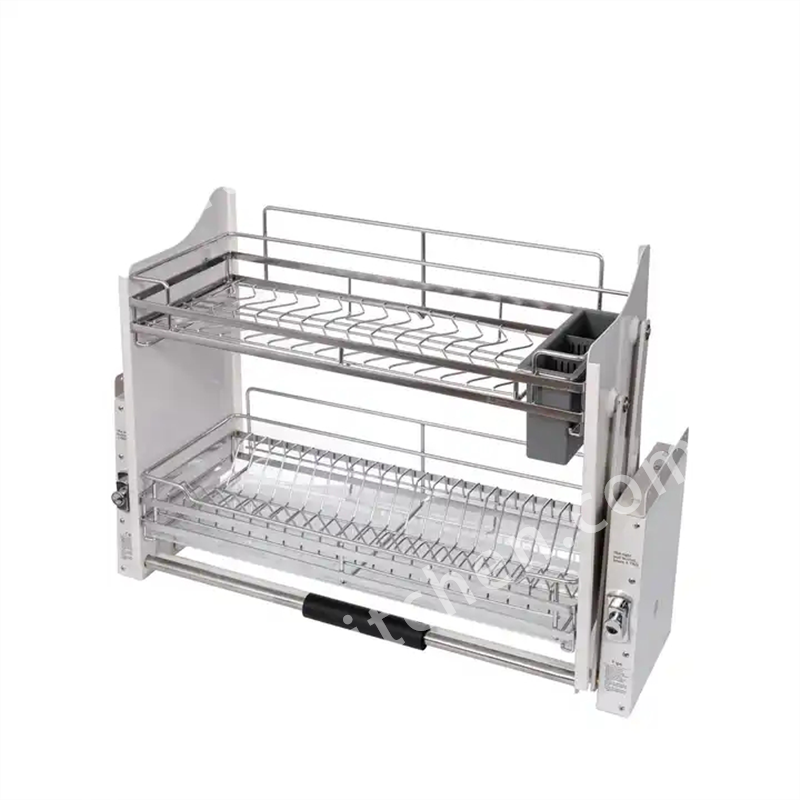
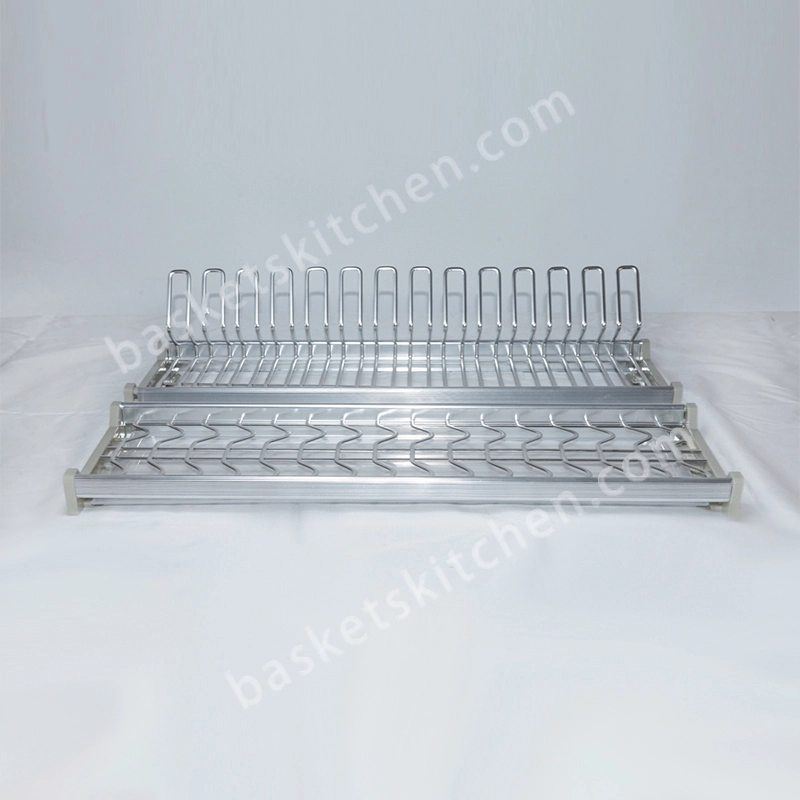
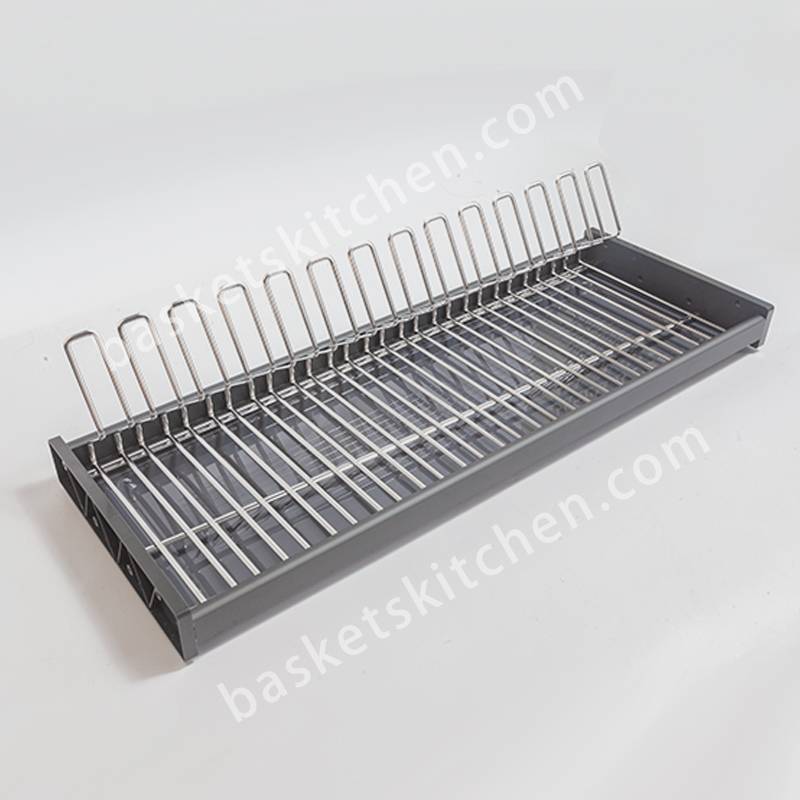
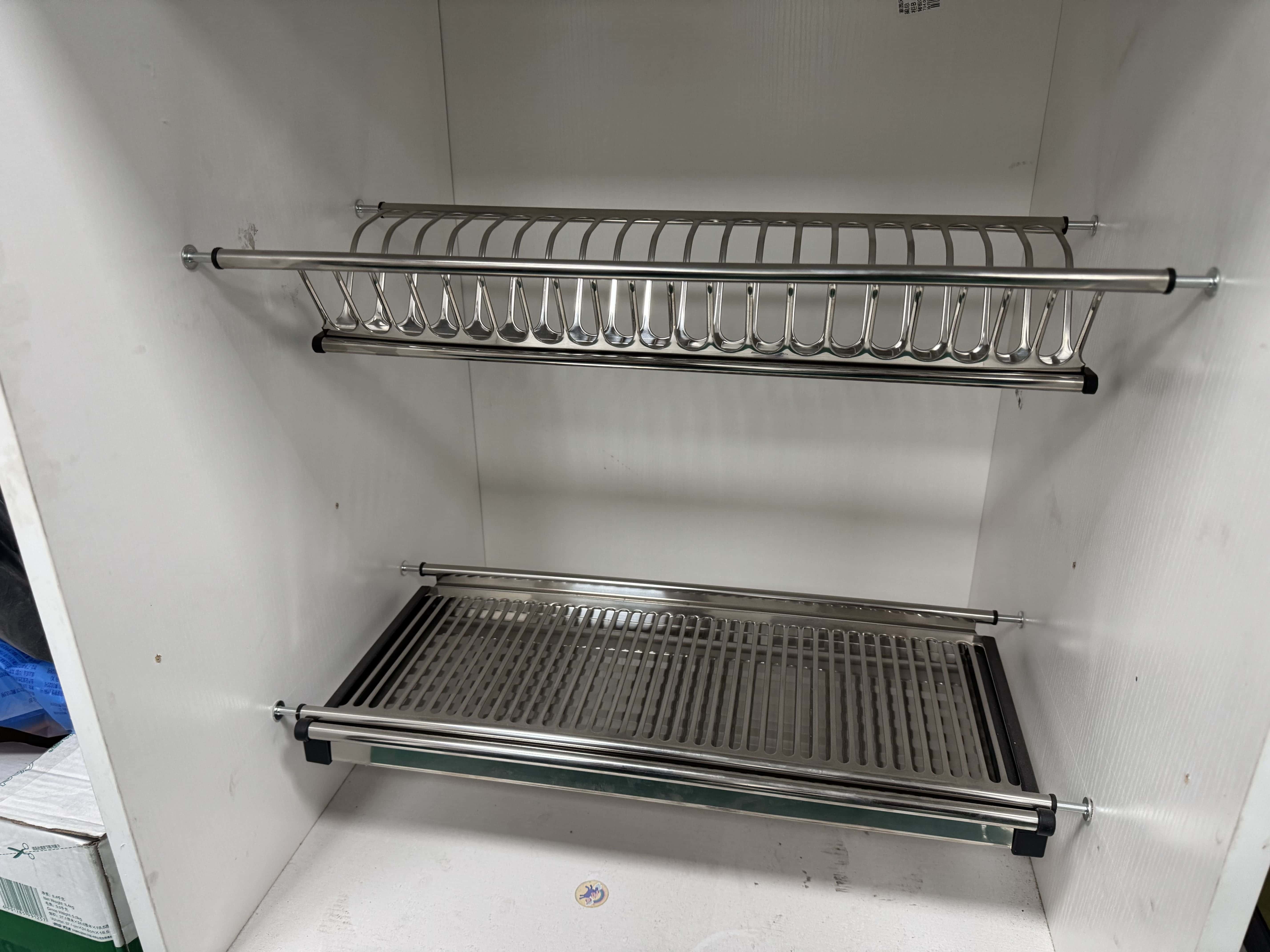
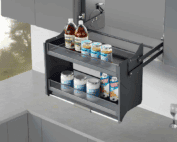
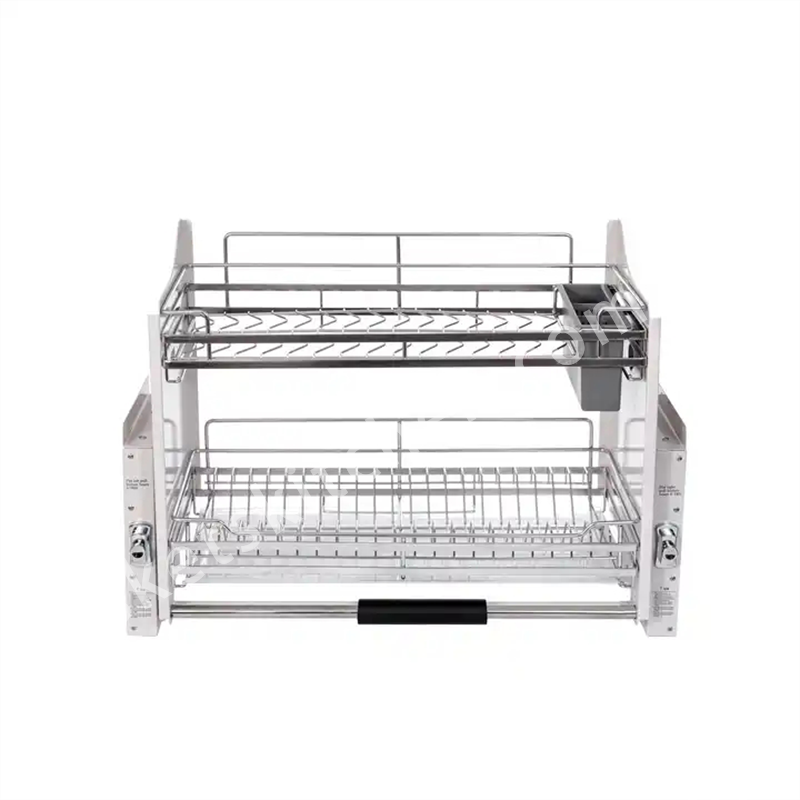
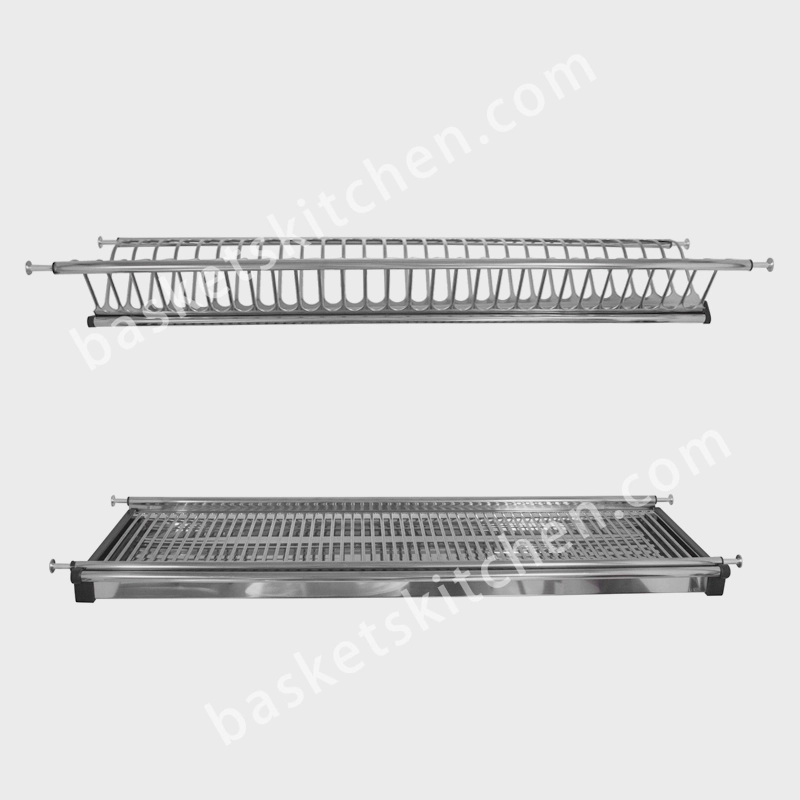
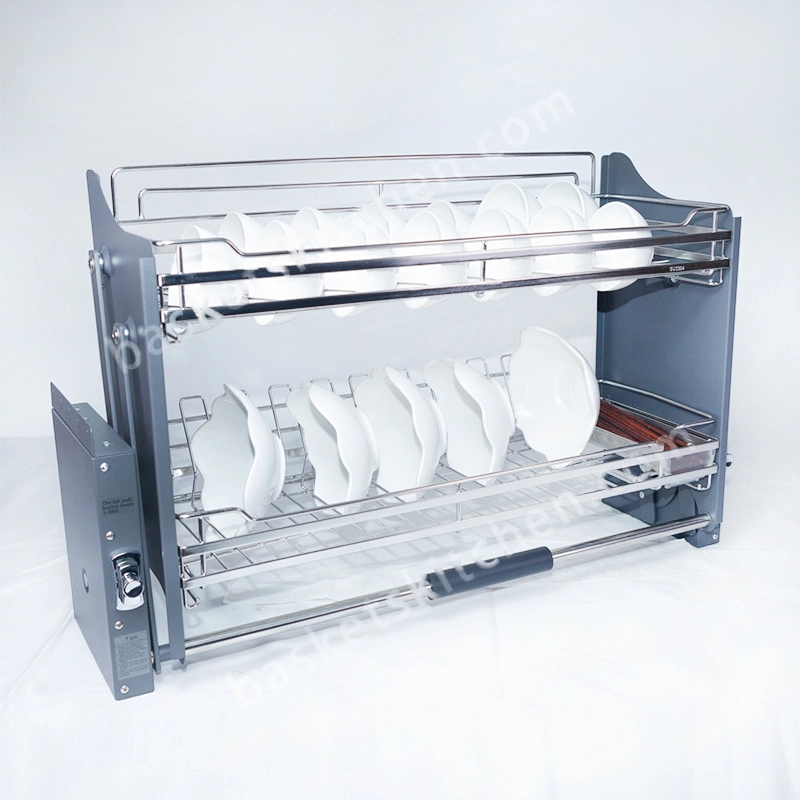
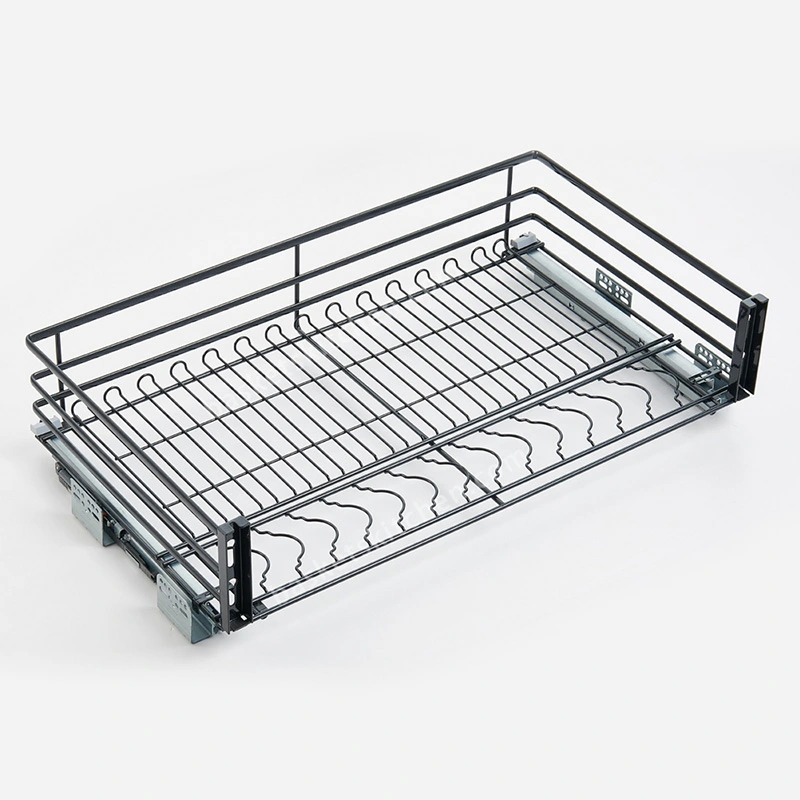
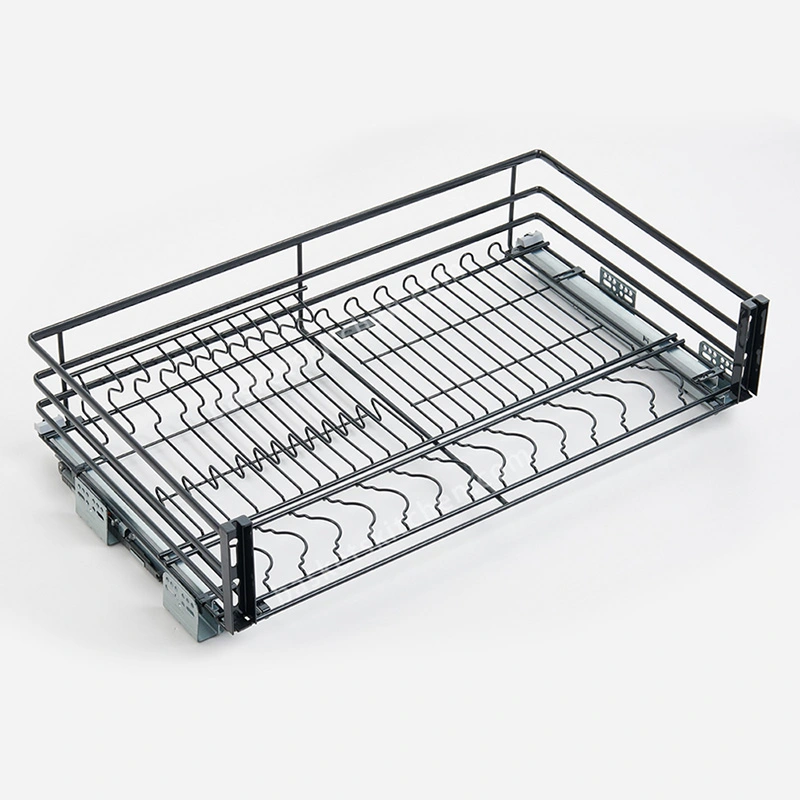
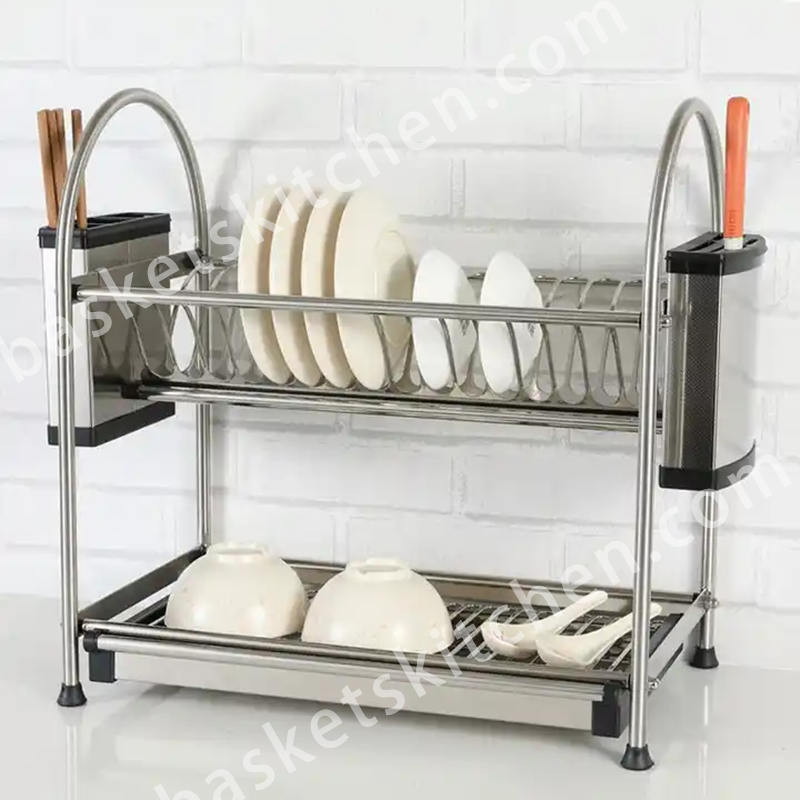
- 🍽️ Kitchen Dish Drying Rack – OEM Manufacturer
- 🔧 OEM Ancillary Cabinetry Components
📦 B2B WHOLESALE ONLY | 🏭 OEM & ODM
🚫 NO RETAIL | 🚫 NO SINGLE ORDERS
1. What Is B2B Sales in the Kitchen Basket Industry?
B2B stands for business-to-business. It refers to transactions in which one business sells products or services to another business instead of directly to individual consumers.
In the kitchen basket industry, B2B sales typically involve manufacturers supplying products to:
- Kitchen hardware wholesalers
- Importers and export companies
- Regional distributors and dealers
- Modular kitchen brands
- Cabinet manufacturers and factories
- Kitchen storage product brands
- Private-label and white-label businesses
- Commercial project suppliers
These buyers usually require bulk quantities, competitive factory pricing, product specifications, packaging arrangements, and dependable production schedules.
For example, a kitchen cabinet manufacturer may source pull-out baskets and corner storage systems from an OEM factory and integrate them into its cabinet product range. A distributor may purchase different basket models in bulk and supply them to local dealers.
The right B2B supplier can support both purchasing needs and long-term business growth.
2. Why Choose a B2B Kitchen Basket Manufacturer?
Working directly with a manufacturer can help buyers establish clearer communication and better control over product specifications.
Factory-direct sourcing
Direct sourcing allows buyers to communicate product requirements with the manufacturing team. It can reduce reliance on intermediaries and simplify discussions about pricing, specifications, packaging, and production.
Learn more about our Factory Direct Supply services.
Bulk wholesale purchasing
Wholesale buyers often need multiple product models and quantities to serve different market segments. A manufacturing partner can help buyers plan orders according to product requirements and available production capacity.
OEM and ODM manufacturing
OEM services can support products made to a buyer’s specifications or brand requirements. ODM services may offer existing product designs that can be adapted to a buyer’s market needs.
Explore our OEM manufacturing services.
Private-label and white-label solutions
Businesses can develop their own branded kitchen accessory ranges through suitable logo, label, and packaging arrangements.
Learn about our Custom Brand Solutions.
Support for long-term sourcing
A dependable manufacturer can help buyers coordinate repeat orders, product development, quality expectations, and future product expansion.
3. Kitchen Basket Products for B2B Wholesale Buyers
A strong product range allows wholesalers and distributors to serve different cabinet designs and customer requirements.
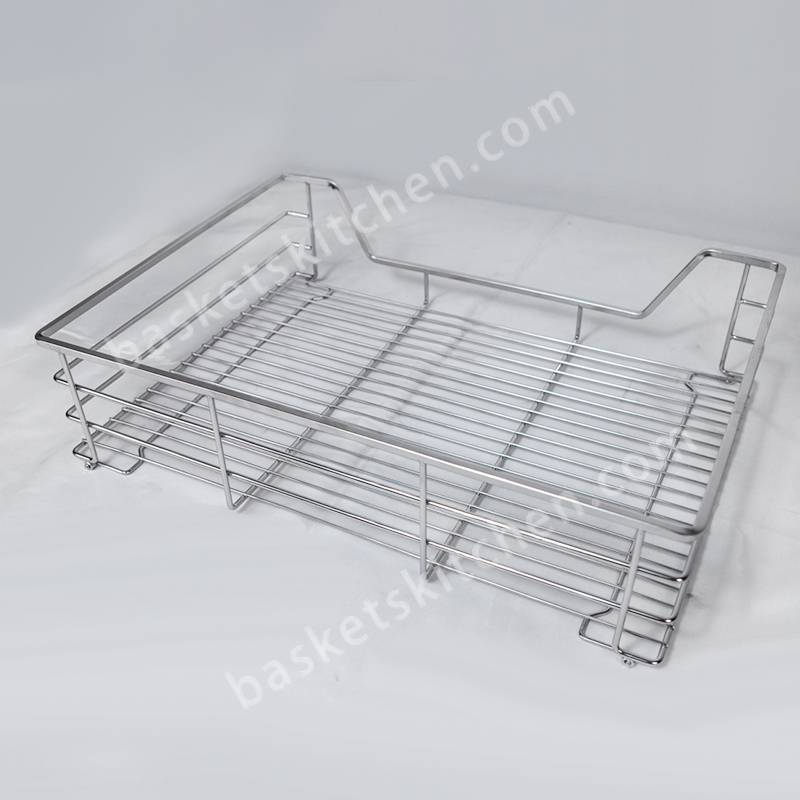
Pull-out kitchen baskets
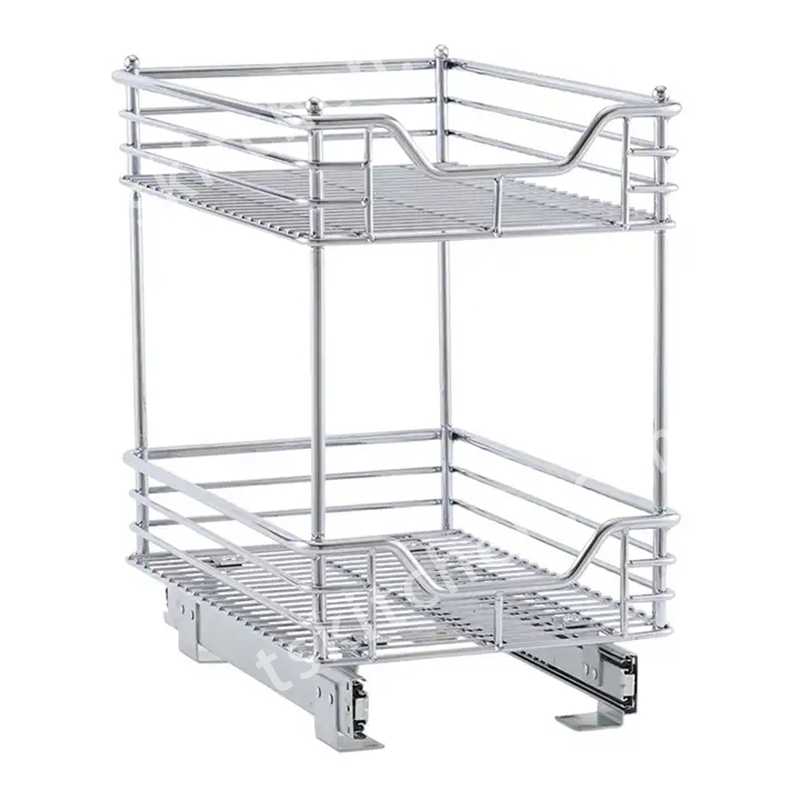
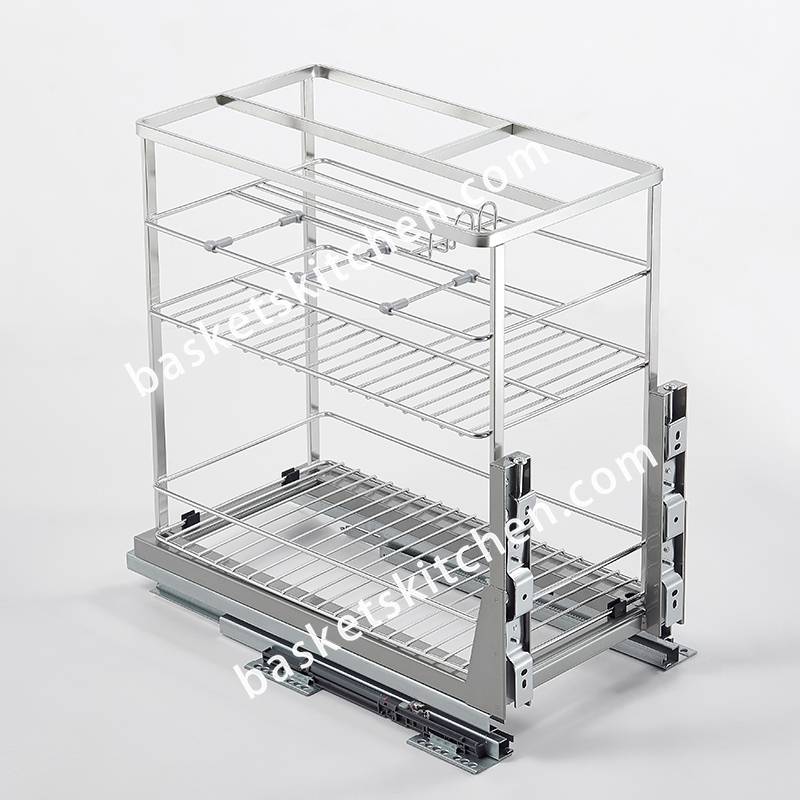
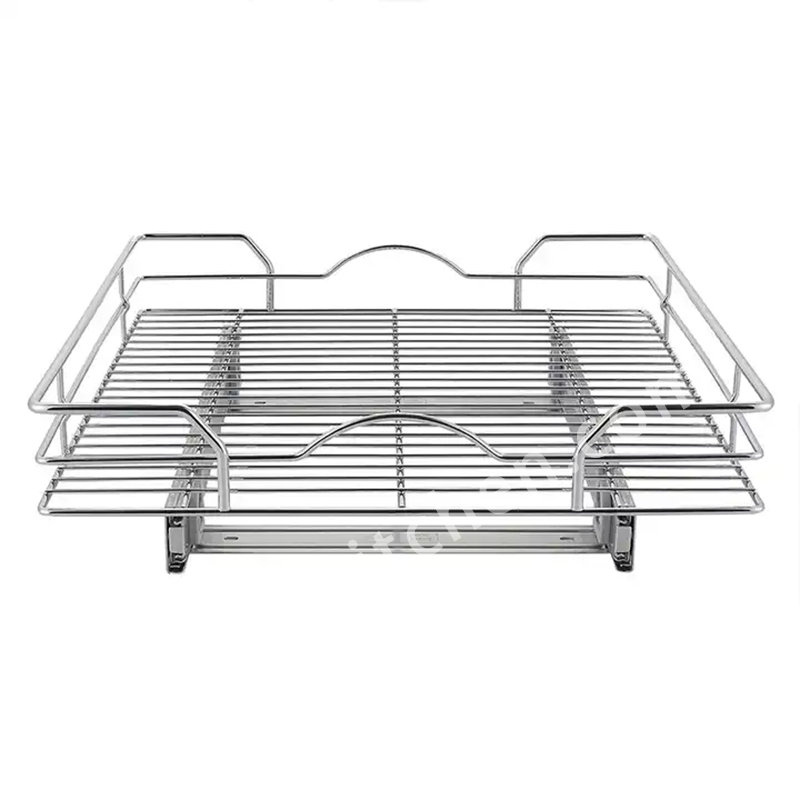
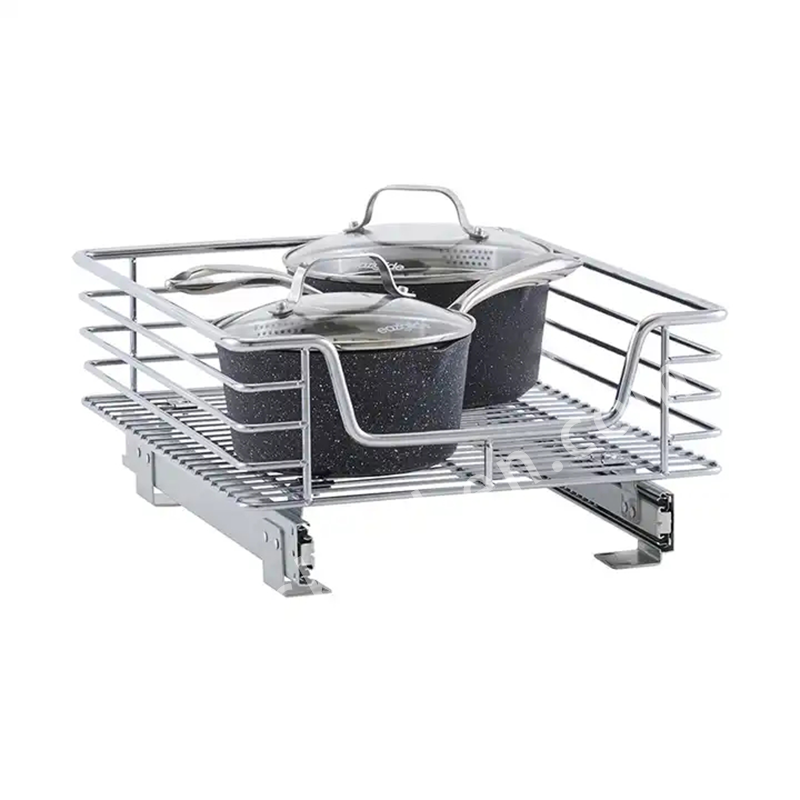
Pull-out baskets provide accessible storage for kitchen cabinets. They are commonly used for cookware, food containers, and everyday kitchen items.
Blind corner pull-out systems
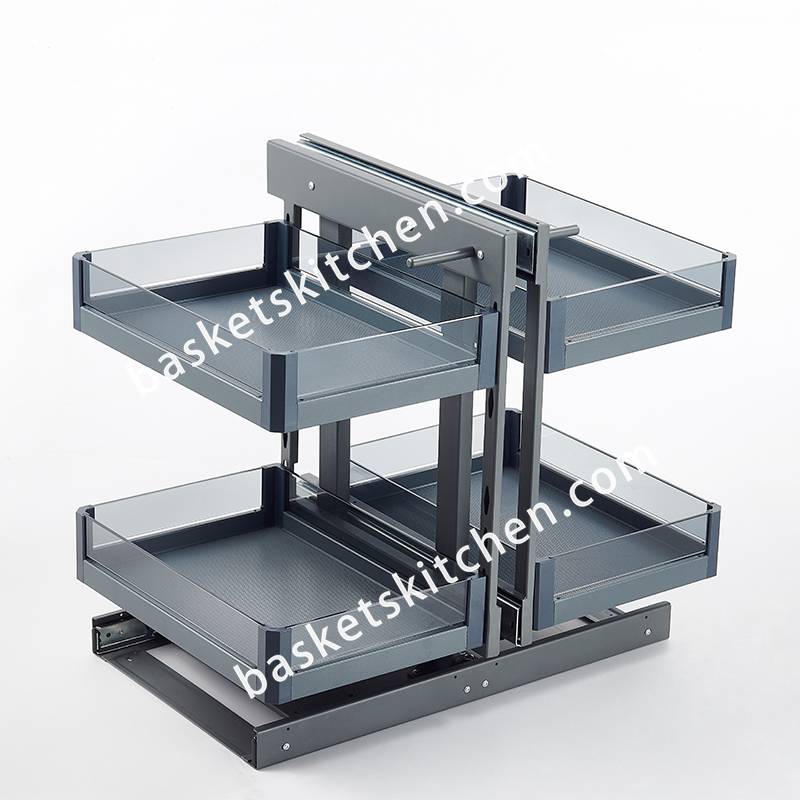
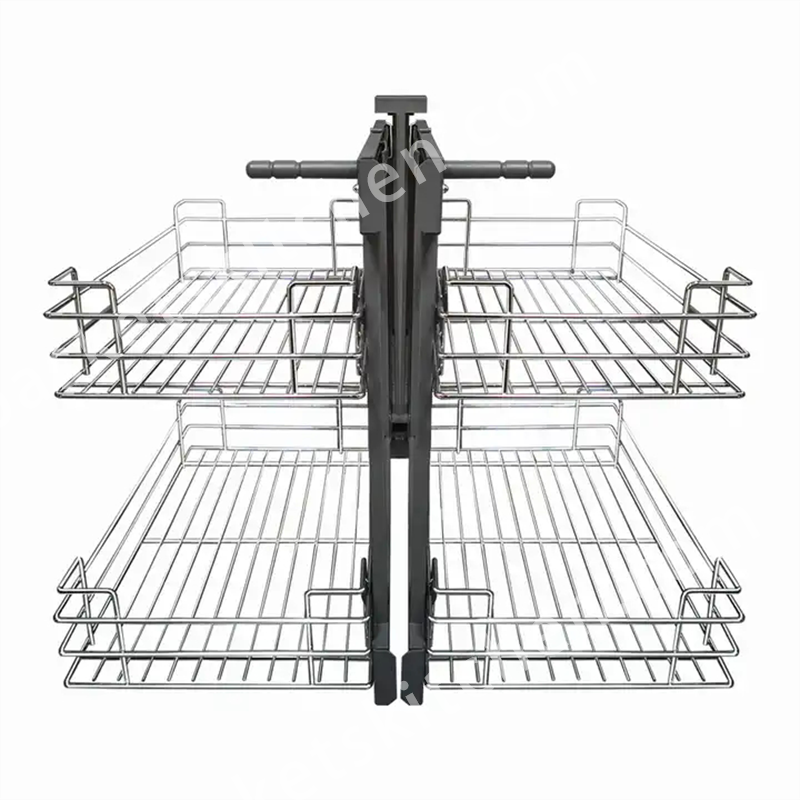
Blind corner solutions help make difficult-to-access cabinet spaces more usable. These products can be relevant to modular kitchen brands, cabinet factories, and kitchen hardware distributors.
Base cabinet organizers
Base cabinet organizers support practical storage in lower kitchen cabinets. Different configurations may be selected according to cabinet dimensions and intended applications.
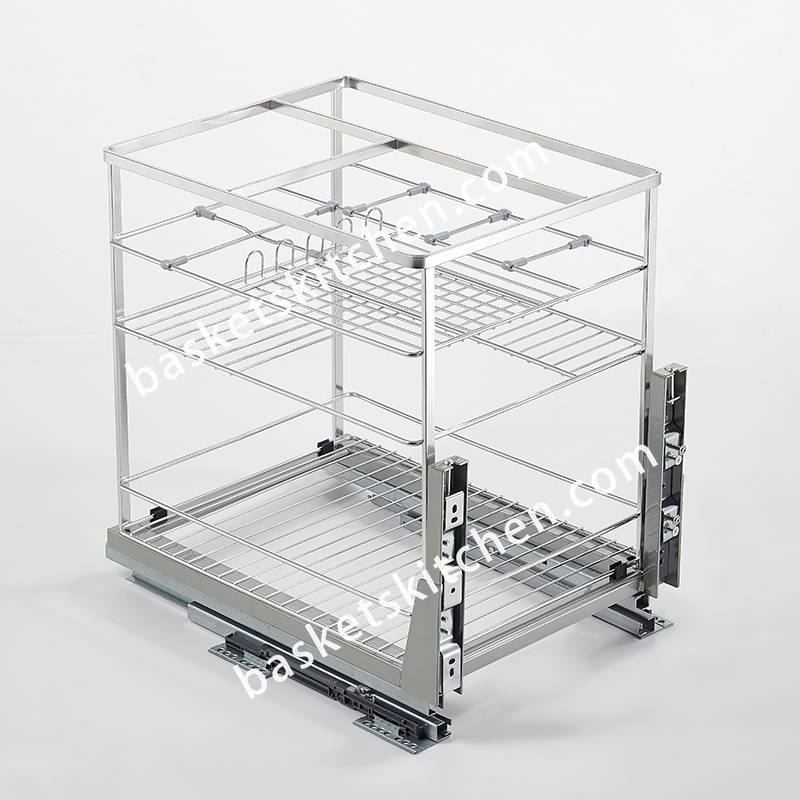
Tall pantry units
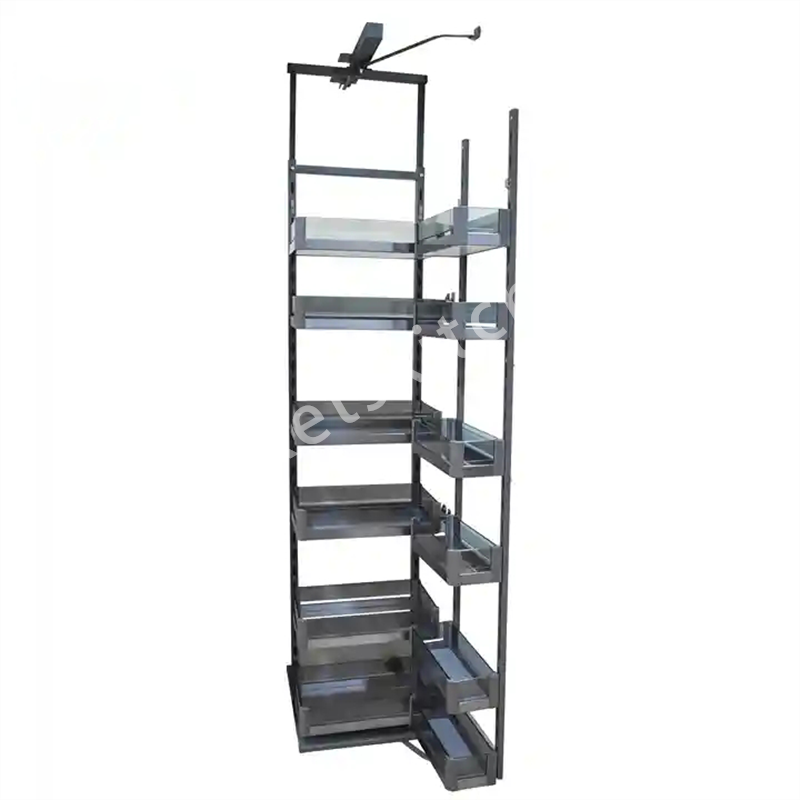
Tall pantry storage systems help organize supplies within full-height kitchen cabinets. They can be suitable for kitchen brands and cabinet manufacturers developing coordinated storage ranges.
Dish drying racks
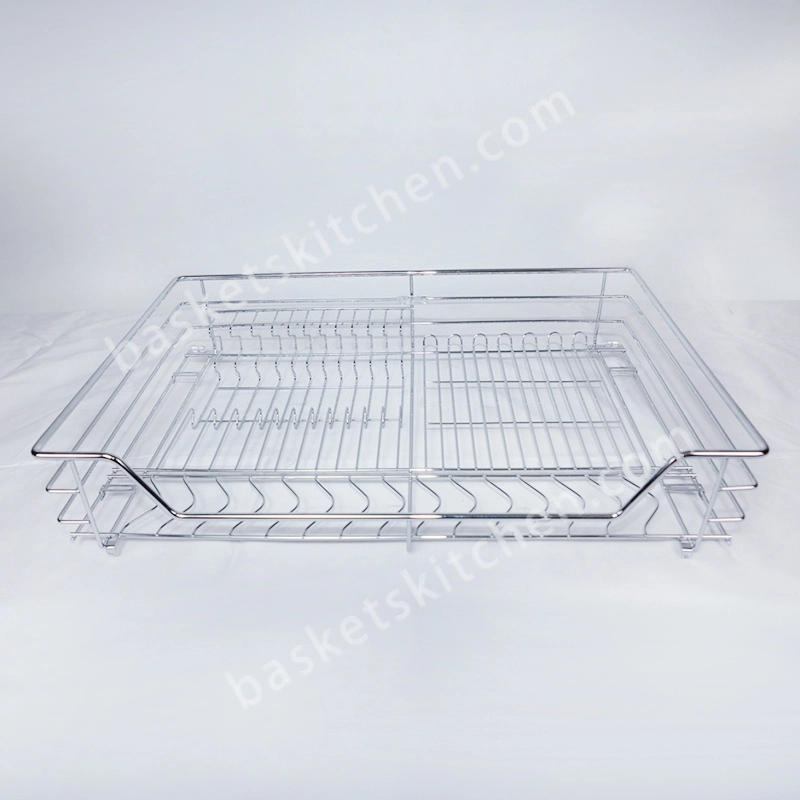
Kitchen dish racks are designed for storing plates, bowls, and other kitchenware. Buyers can evaluate materials, dimensions, finishes, and installation requirements when selecting products for their markets.
Spice rack pull-outs and other organizers
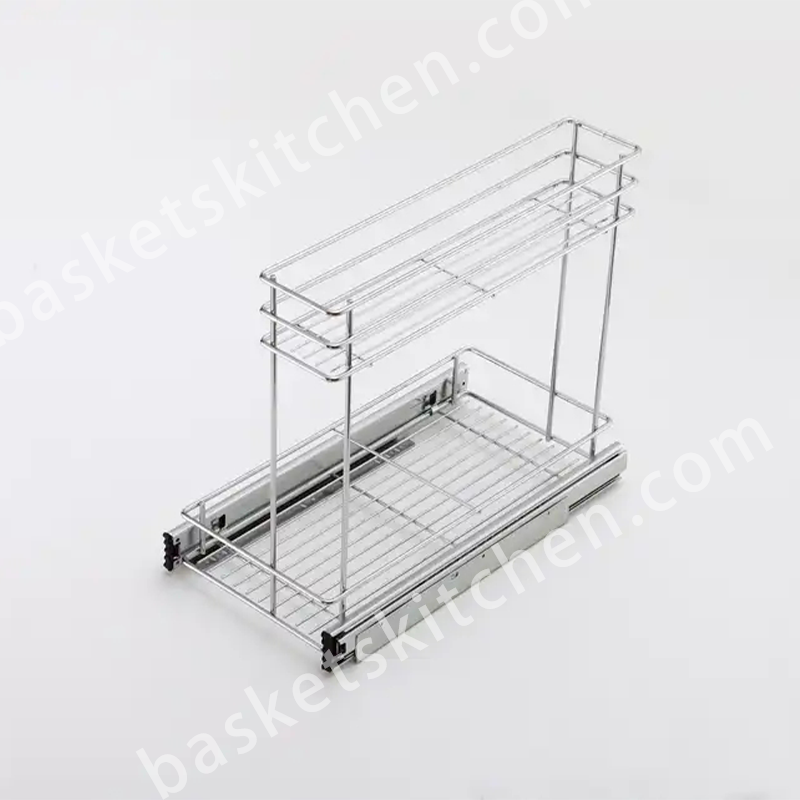
Spice rack pull-outs and specialized cabinet organizers allow wholesalers to expand their product portfolios beyond standard baskets.
Explore the BasketsKitchen product range to identify products relevant to your business requirements.
4. How Wholesalers Can Increase B2B Sales
Successful B2B sales require more than finding a low-cost product. Buyers need a sourcing strategy that considers customer demand, product selection, inventory, and supplier relationships.
Understand your target market
Identify the customers you intend to serve. A kitchen hardware wholesaler may prioritize fast-moving products, while a modular kitchen brand may require coordinated designs and specific dimensions.
Consider:
- The cabinet types common in your market
- Preferred materials and finishes
- Popular basket configurations
- Local price expectations
- Packaging and labeling requirements
- Expected order quantities
Build a balanced product portfolio
Rather than sourcing only one basket model, consider a product range that addresses different cabinet applications.
For example, a distributor might combine base cabinet baskets, blind corner systems, pantry units, and dish racks to serve more customers through one product category.
Start with products supported by clear demand and expand as purchasing data becomes available.
Request accurate quotations
When contacting a manufacturer, provide enough information to receive a useful quotation.
Include the product model, material, finish, dimensions, estimated quantity, packaging requirements, destination market, and preferred delivery schedule.
A detailed inquiry makes it easier to compare suppliers on a consistent basis.
Evaluate total sourcing costs
The lowest factory price does not always produce the lowest total purchasing cost.
Consider manufacturing prices, packaging, inspection, freight, import duties, customs charges, and potential product replacement costs. Actual costs depend on the destination country and order specifications.
Develop repeat-order relationships
Repeat purchasing can make stock planning and product coordination easier. Share sales forecasts, discuss production lead times, and confirm specifications before placing new orders.
A structured supplier relationship can support more consistent purchasing decisions as your business grows.
5. OEM and ODM: Opportunities for Kitchen Brands
OEM and ODM manufacturing can help businesses develop differentiated product offerings without building their own manufacturing facilities.
OEM manufacturing is useful when a buyer needs products made according to its own specifications, dimensions, design requirements, or branding arrangements.
ODM manufacturing may suit businesses that want to select and adapt existing product designs offered by a manufacturer.
Depending on the product and factory capabilities, customization may include:
- Product dimensions and configurations
- Wire styles and construction details
- Materials such as stainless steel, iron, or aluminum alloy
- Surface finishes and coatings
- Installation options
- Branding, labels, and packaging
Customization availability, minimum order quantities, tooling requirements, and lead times should be confirmed with the manufacturer for each project.
For more information, visit BasketsKitchen Contract Manufacturing.
6. How to Choose the Right Kitchen Basket Supplier
Choosing a supplier is an important commercial decision. B2B buyers should evaluate several factors before committing to a production order.
Manufacturing capabilities: Confirm whether the supplier produces the required basket types and can meet your technical specifications.
Product quality: Request samples when appropriate and agree on measurable quality requirements before production.
Material specifications: Confirm the exact material grade, wire construction, finish, dimensions, and other relevant details.
Production capacity: Discuss expected order quantities, manufacturing schedules, and capacity for repeat orders.
Communication: Evaluate how clearly the supplier answers technical questions, explains limitations, and provides quotations.
Export experience: Discuss packaging, shipping arrangements, export documentation, and destination-market requirements.
Commercial terms: Confirm payment conditions, minimum order quantities, inspection arrangements, and responsibility for freight and other charges.
These checks help businesses make sourcing decisions based on suitability and reliability rather than price alone.
7. Why Work With BasketsKitchen?
BasketsKitchen focuses on kitchen basket and cabinet storage product manufacturing for business customers.
Our B2B-oriented services are intended for wholesalers, distributors, importers, cabinet manufacturers, modular kitchen brands, and businesses developing their own kitchen accessory ranges.
Potential sourcing requirements include:
- Factory-direct bulk purchasing
- OEM and ODM manufacturing inquiries
- Private-label and white-label requirements
- Product and dimensional customization
- Kitchen cabinet storage product sourcing
- Packaging and branding discussions
- Ongoing wholesale supply partnerships
The availability of particular materials, customization options, production schedules, and order quantities should be confirmed for each inquiry.
If your business is looking for a kitchen basket manufacturing partner, begin by identifying the products, quantities, and specifications you need.
Visit BasketsKitchen to explore our product and manufacturing information.
8. B2B Sales Mistakes Kitchen Product Buyers Should Avoid
Even experienced buyers can encounter sourcing problems when product requirements are unclear.
Mistake 1: Choosing only by price.
A low quotation may not include the same materials, specifications, packaging, or quality controls as another offer.
Mistake 2: Providing incomplete product details.
Missing dimensions, finish requirements, or installation information can lead to quotation delays and product mismatches.
Mistake 3: Ignoring minimum order quantities.
Confirm minimum quantities for standard products and customized projects before preparing a purchasing plan.
Mistake 4: Skipping sample evaluation.
Where practical, assess samples before approving a large production order.
Mistake 5: Failing to confirm packaging.
Agree on packaging requirements to support shipping, warehouse handling, and your customers’ expectations.
Mistake 6: Overlooking delivery planning.
Confirm the production lead time, shipping method, destination, and expected logistics costs before finalizing an order.
Mistake 7: Treating every supplier as a retail seller.
Manufacturers serving B2B customers may have different ordering processes, minimum quantities, and quotation requirements from retail stores.
Clear communication and written specifications help reduce avoidable problems.
9. How to Request a B2B Kitchen Basket Quotation
To make your first inquiry more productive, prepare the following information:
- Business type: Wholesaler, importer, distributor, cabinet manufacturer, or kitchen brand.
- Products required: Pull-out baskets, blind corner systems, dish racks, pantry units, or other organizers.
- Specifications: Dimensions, material, finish, installation type, and product references.
- Order quantity: Estimated quantity per model and expected repeat-order frequency.
- Branding requirements: OEM specifications, ODM options, private labels, logos, or packaging.
- Destination market: Country and delivery requirements.
- Target schedule: Sample requirements and desired production or shipment timeline.
With these details, a supplier can assess the inquiry and clarify the next steps.
Frequently Asked Questions
1. What is a B2B kitchen basket manufacturer?
A B2B kitchen basket manufacturer produces kitchen storage baskets and related cabinet accessories for business buyers such as wholesalers, distributors, importers, and kitchen brands.
2. Does BasketsKitchen focus on wholesale orders?
BasketsKitchen focuses on B2B manufacturing and bulk wholesale supply rather than retail purchases or individual orders.
3. Can I order kitchen baskets with my own brand?
OEM, private-label, and white-label requirements can be discussed according to the product, branding specifications, and order quantity.
4. What is the difference between OEM and ODM kitchen baskets?
OEM generally involves manufacturing according to buyer specifications, while ODM typically involves selecting or adapting existing manufacturer designs.
5. Which kitchen storage products can wholesalers source?
Product categories include pull-out baskets, base cabinet organizers, blind corner systems, pantry units, dish racks, and spice rack pull-outs.
6. What information is needed for a wholesale quotation?
Buyers should provide product references, specifications, materials, finishes, quantities, packaging requirements, and destination-market details.
7. Can kitchen basket manufacturers support custom dimensions?
Customization may be available depending on the product design, tooling, technical requirements, and minimum order quantity. Confirm feasibility with the manufacturer.
8. How do I start working with BasketsKitchen?
Visit the BasketsKitchen website, identify the products you need, and submit a business inquiry with your specifications and estimated order quantity.
Conclusion: Build a Stronger B2B Kitchen Basket Supply Chain
B2B sales create opportunities for kitchen basket manufacturers, wholesalers, importers, distributors, and kitchen brands to establish long-term commercial relationships.
The right sourcing strategy combines suitable products, clear specifications, competitive total costs, quality expectations, and reliable communication. OEM, ODM, and private-label services can also help businesses develop their own kitchen storage product ranges.
BasketsKitchen welcomes inquiries from qualified B2B buyers seeking kitchen basket manufacturing and bulk supply solutions.
Request a B2B Manufacturing Quotation
Are you a wholesaler, importer, distributor, cabinet manufacturer, or kitchen brand looking for a kitchen basket supplier?
Visit BasketsKitchen.com to explore our products and manufacturing services and discuss your bulk purchasing or OEM/ODM requirements.
B2B WHOLESALE ONLY | OEM & ODM | PRIVATE-LABEL SOLUTIONS
NO RETAIL | NO SINGLE ORDERS | NO PERSONAL USE
About the author : Maruf Hossain

Related Posts
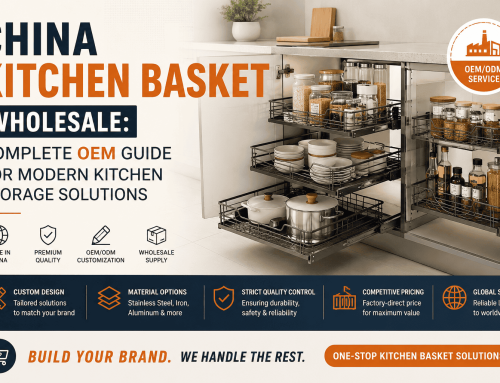
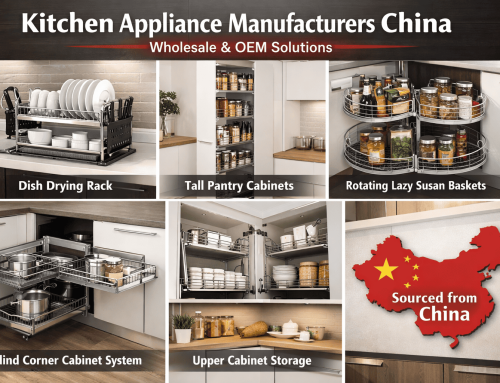
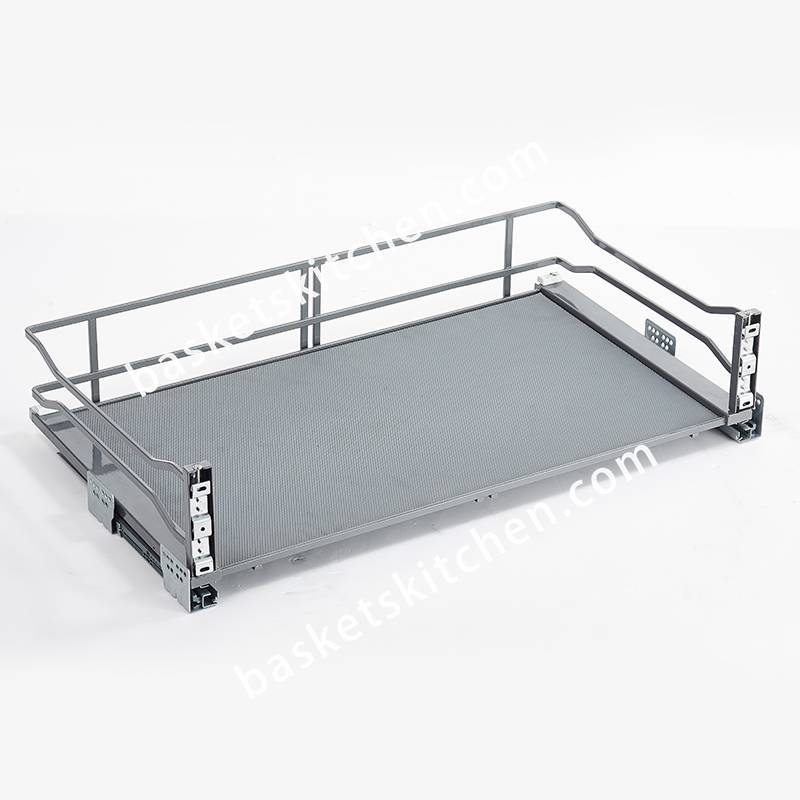
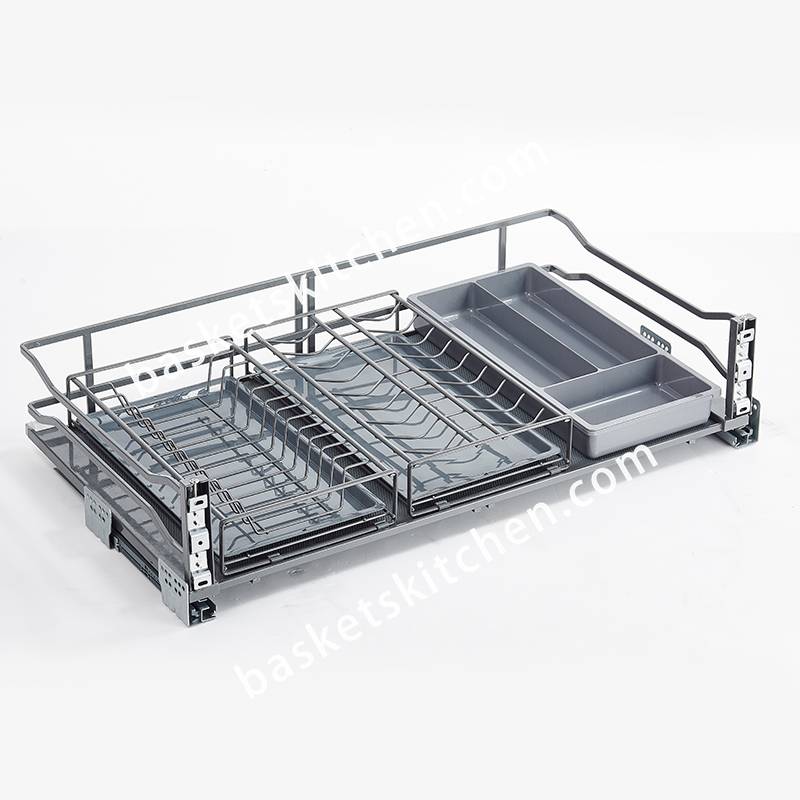
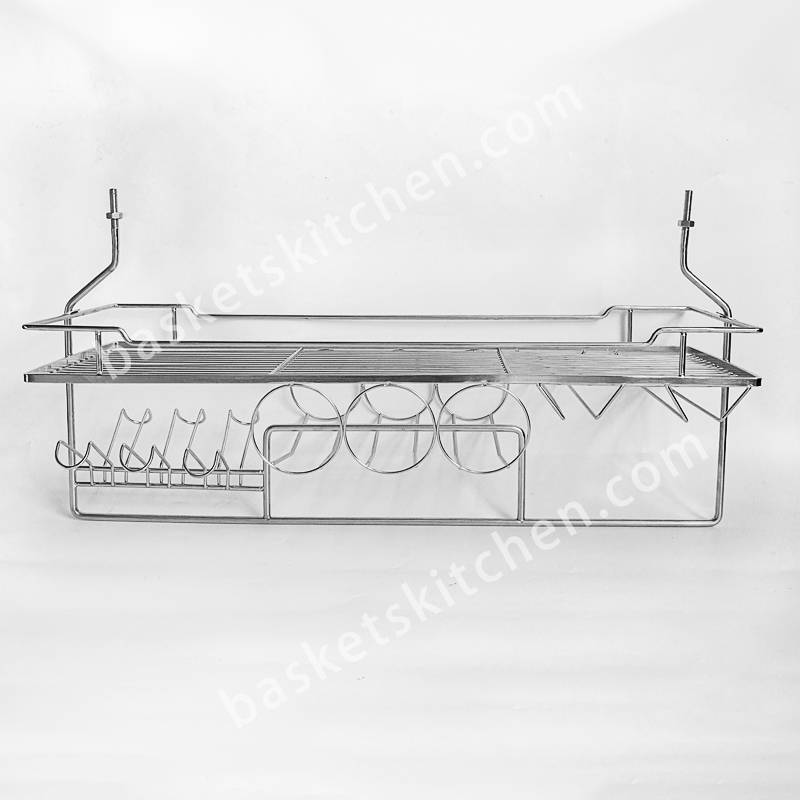
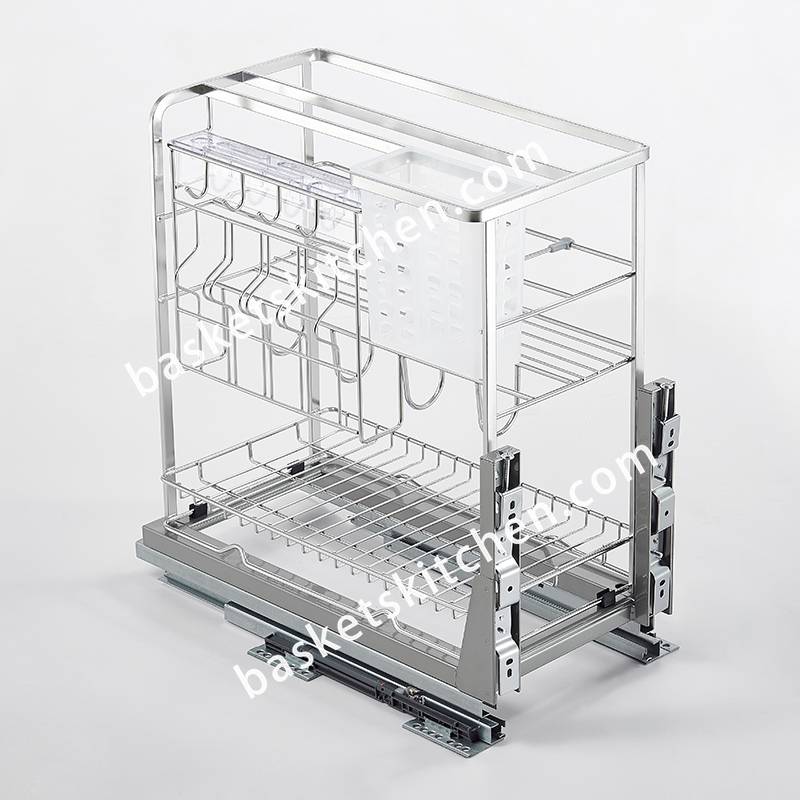
Our OEM/ODM Kitchen Basket Category List
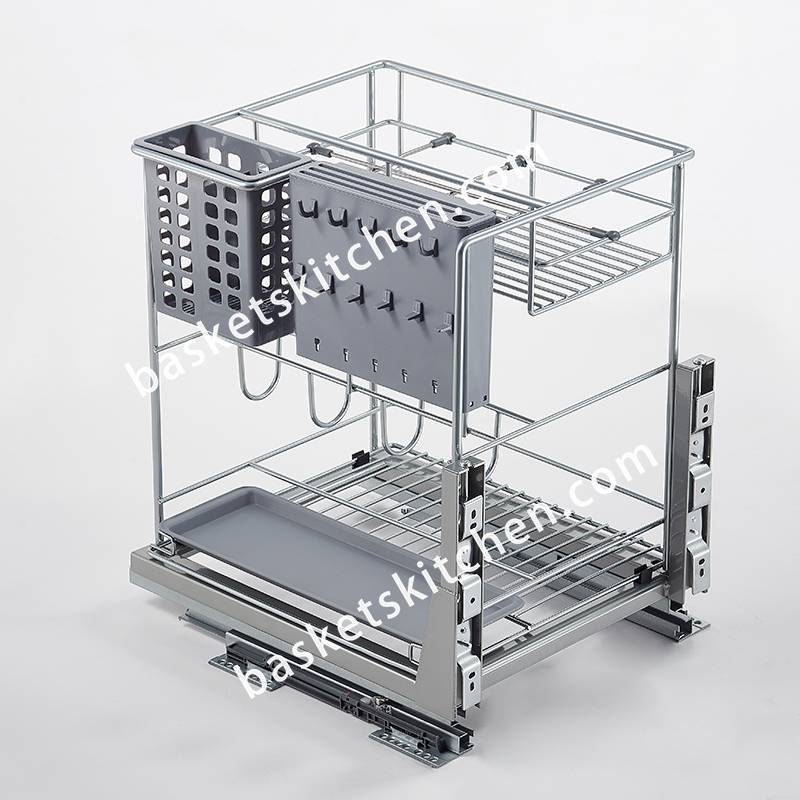
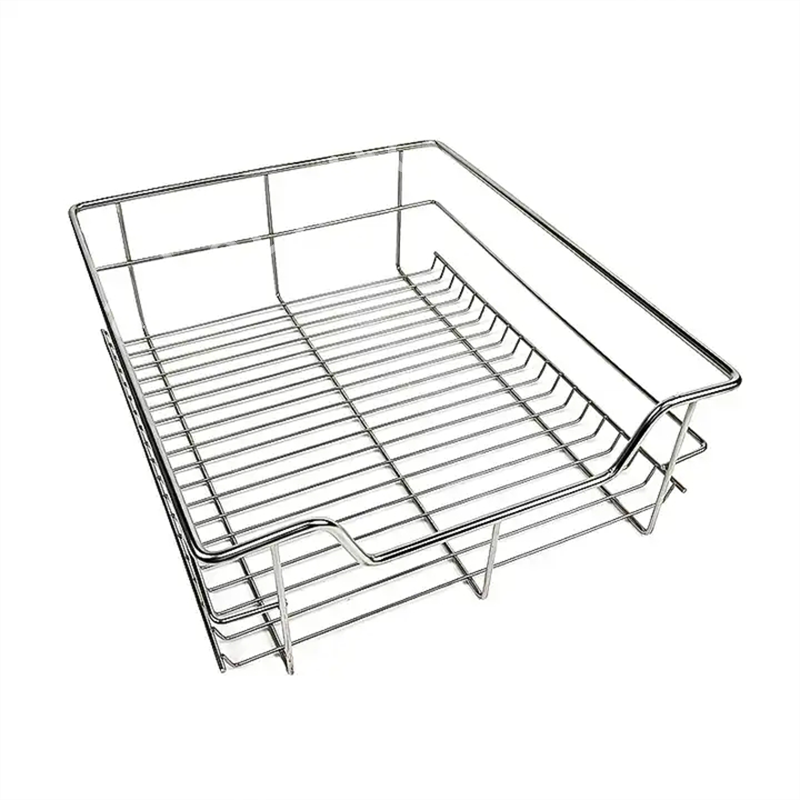
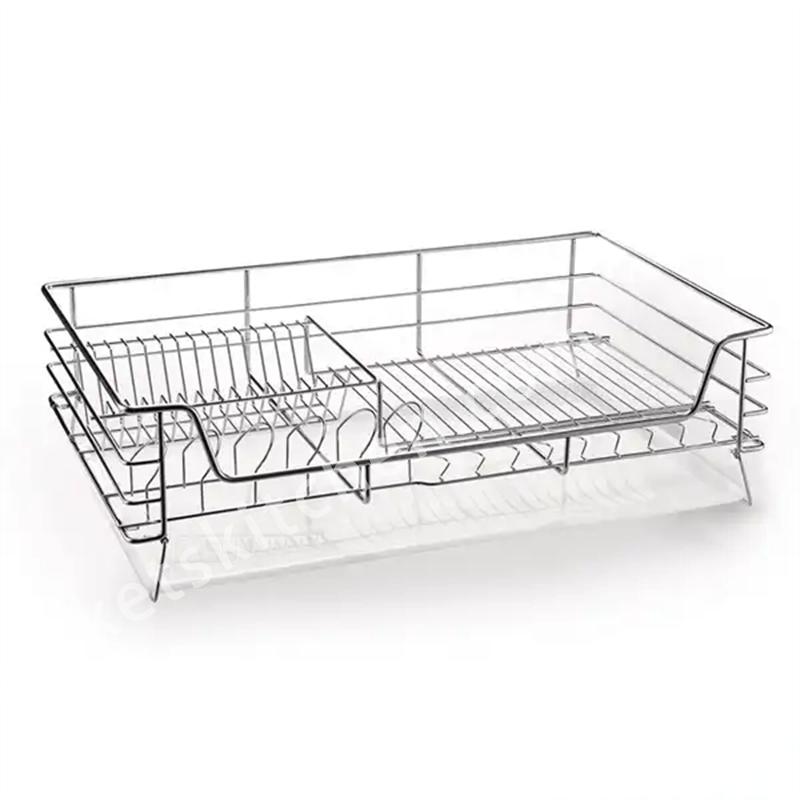
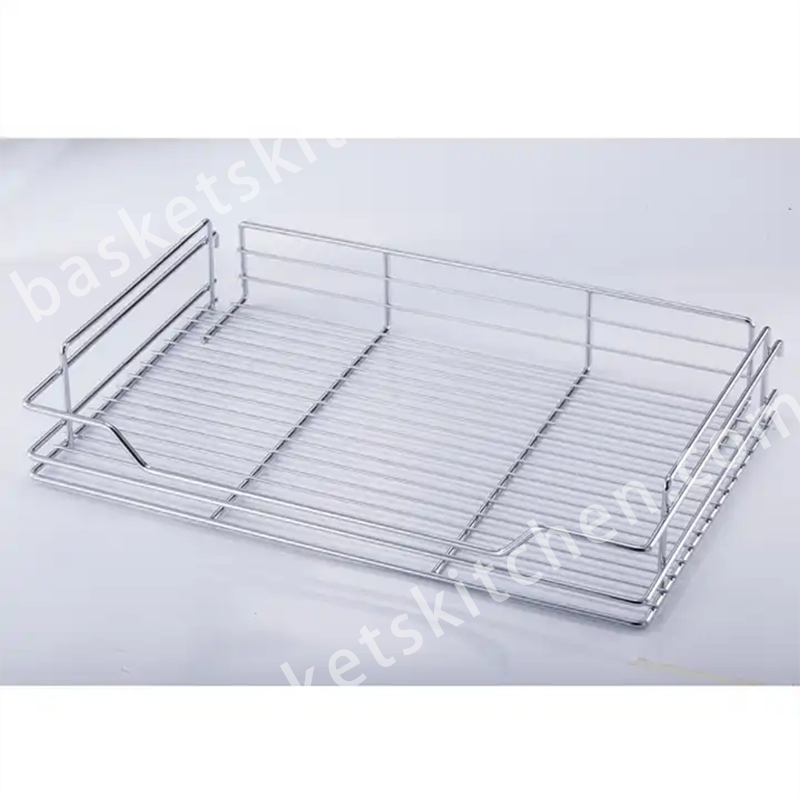
OEM Blind Corner Cabinet
Systems (6)

OEM Rotating Kitchen Baskets &Lazy Susans (3)
Kitchen Dish Drying Rack - OEM Manufacturer (2)
OEM Ancillary Cabinetry Components (4)