B2B Sales: The Complete Guide to Growing Your Manufacturing Business
B2B Sales: The Complete Guide for OEM, ODM & Wholesale Manufacturers
ODM Tool Manufacturing Custom Tool Manufacturer & OEMODM Solutions
Business-to-Business (B2B) sales are the foundation of global manufacturing and international trade. Unlike Business-to-Consumer (B2C) sales, where companies sell directly to individuals, B2B sales focus on selling products or services to other businesses such as importers, distributors, wholesalers, retailers, contractors, and project developers.
For manufacturers, especially those offering OEM, ODM, private label, and wholesale solutions, an effective B2B sales strategy is essential for building long-term partnerships and expanding into international markets.
Whether you manufacture kitchen organizers, hardware accessories, industrial products, or customized solutions, understanding the B2B sales process can help you attract qualified buyers, increase revenue, and strengthen your global brand.
What Is B2B Sales?
B2B sales refer to the process of selling products or services from one business to another. Instead of focusing on individual consumers, manufacturers work directly with companies that purchase products in bulk for resale, distribution, or commercial projects.
Typical B2B customers include:
- Importers
- Distributors
- Wholesalers
- Retail Chains
- Kitchen Cabinet Brands
- Construction Companies
- Contractors
- Project Developers
- E-commerce Businesses
- Purchasing Agents
Unlike B2C transactions, B2B sales often involve larger order quantities, customized solutions, longer sales cycles, and ongoing business relationships.
Why B2B Sales Are Important for Manufacturers
For manufacturers, B2B sales provide opportunities to secure consistent orders, build strong partnerships, and establish long-term customer relationships.
Key Benefits
- Higher order values
- Repeat business opportunities
- Long-term contracts
- Stable production planning
- Global market expansion
- Better profit margins
- Stronger brand reputation
- Sustainable business growth
By focusing on business customers, manufacturers can create predictable revenue streams while expanding their presence in international markets.
Why Partner with Guangzhou Keyuan Metal Products Co., Ltd.?
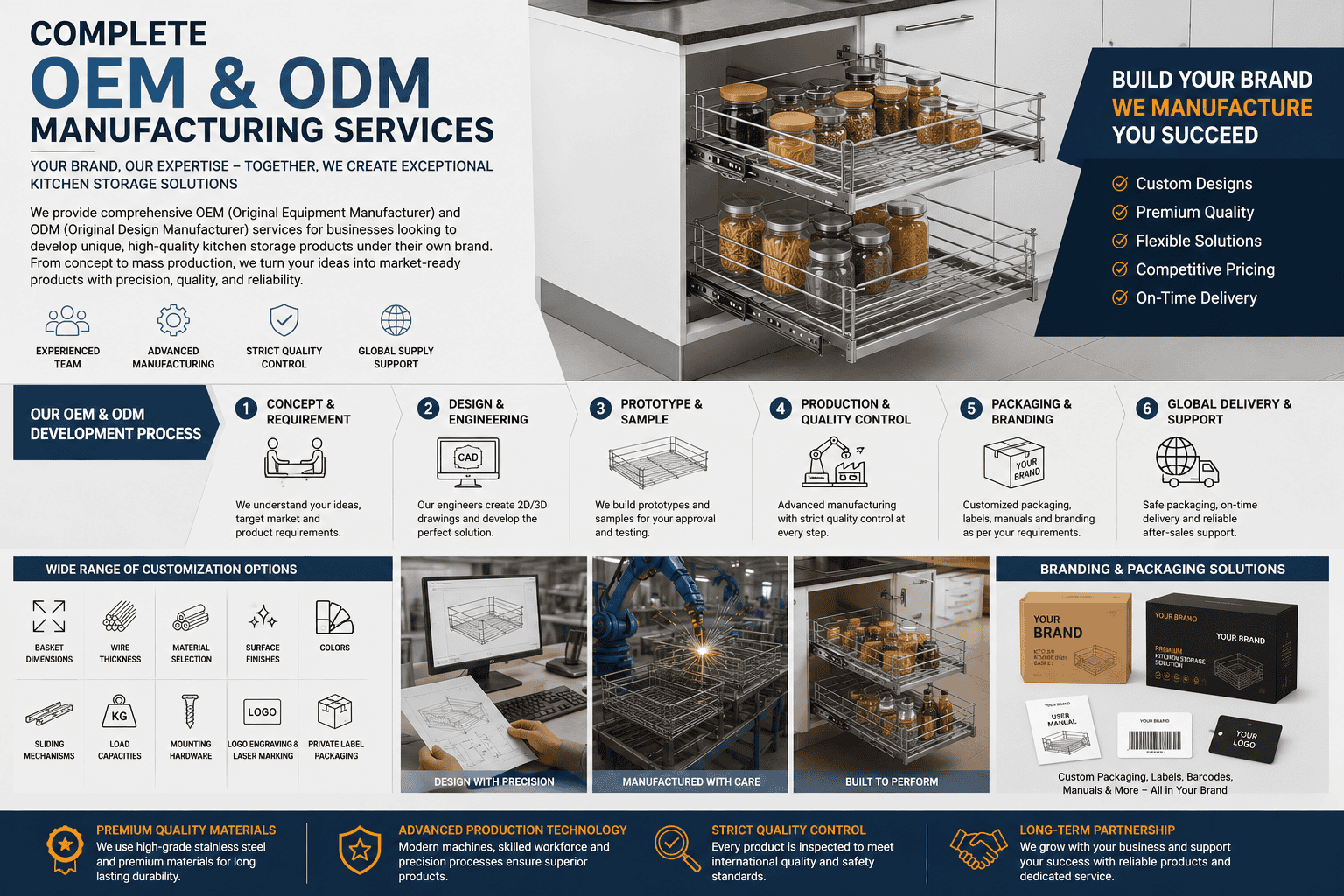
OEM & ODM Manufacturing Service
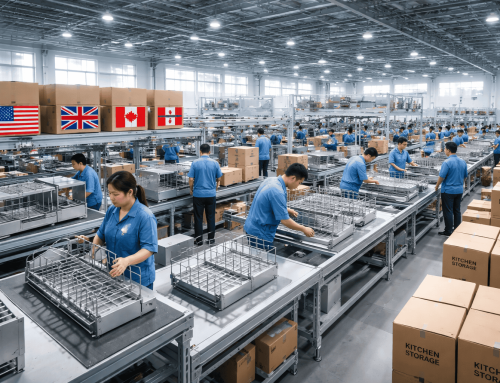
Choosing the right manufacturing partner is one of the most important decisions for any importer, distributor, wholesaler, or retailer. A reliable manufacturer should offer more than competitive pricing—they should provide consistent quality, professional engineering, flexible customization, and dependable customer service. Guangzhou Keyuan Metal Products Co., Ltd. is a trusted Global OEM Kitchen Organizer Factory dedicated to helping businesses succeed in the international market through high-quality manufacturing solutions.
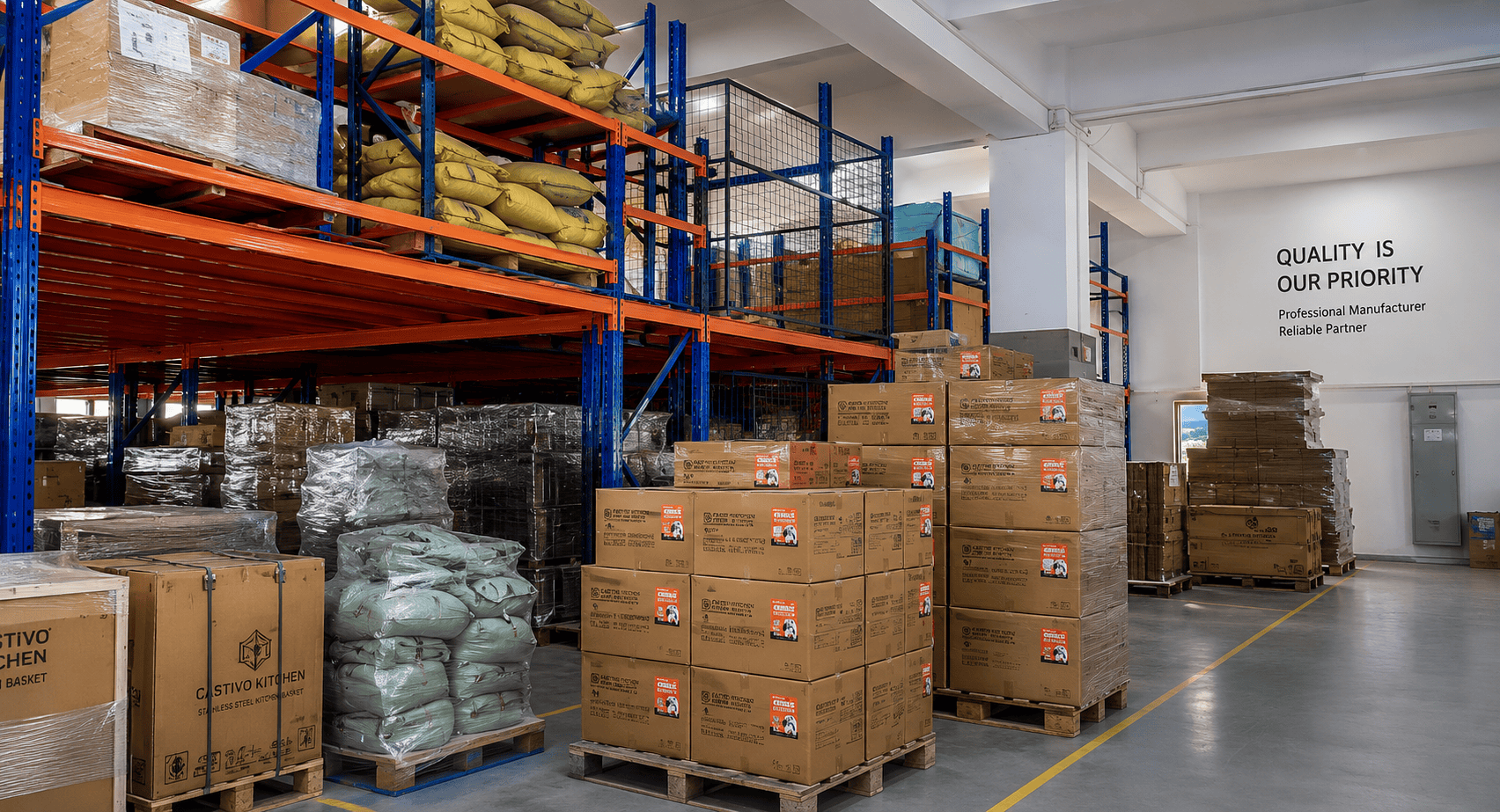
With years of industry experience, advanced production facilities, and a skilled engineering team, we specialize in designing and manufacturing premium kitchen storage solutions that meet the needs of customers worldwide. Our commitment to innovation, strict quality control, and customer satisfaction has made us a preferred manufacturing partner for businesses across North America, Europe, Australia, the Middle East, and Southeast Asia.
We proudly provide comprehensive manufacturing services, including:
- OEM Manufacturing
- ODM Manufacturing
- Private Label Solutions
- Wholesale Supply
- Custom Product Development
- Product Design & Engineering
- Logo Printing & Branding
- Custom Packaging Solutions
- Professional Engineering Support
- Strict Quality Control
- Factory Direct Pricing
- Flexible MOQ Options
- Fast Production & On-Time Delivery
- Worldwide Export Services
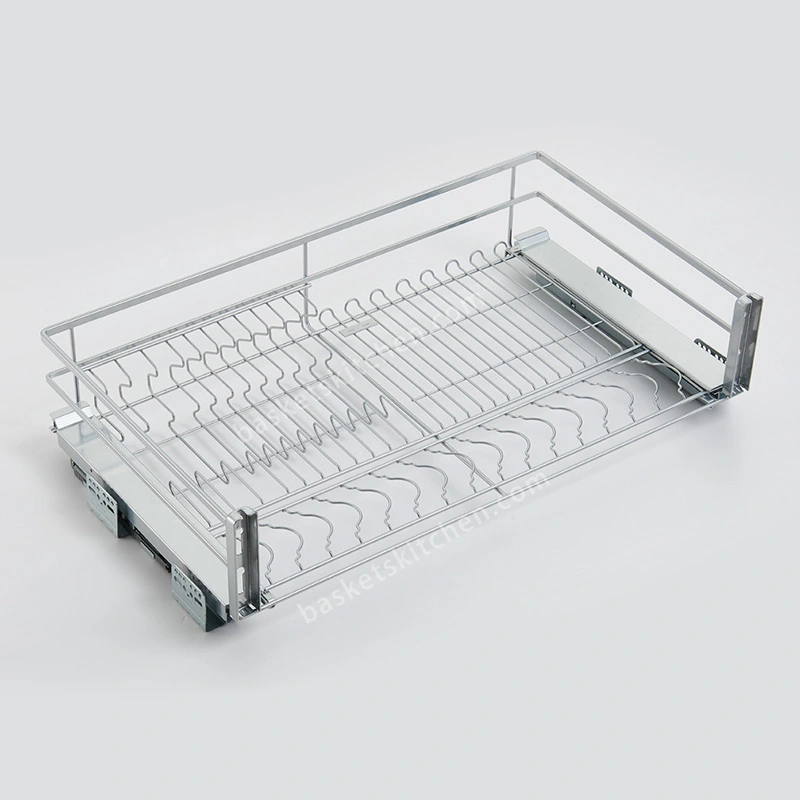
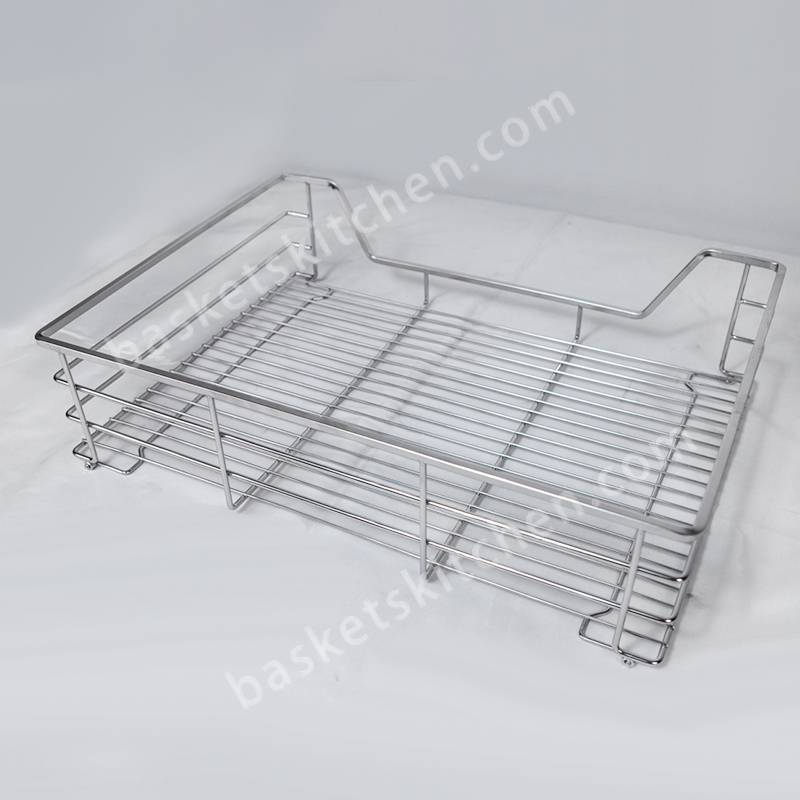
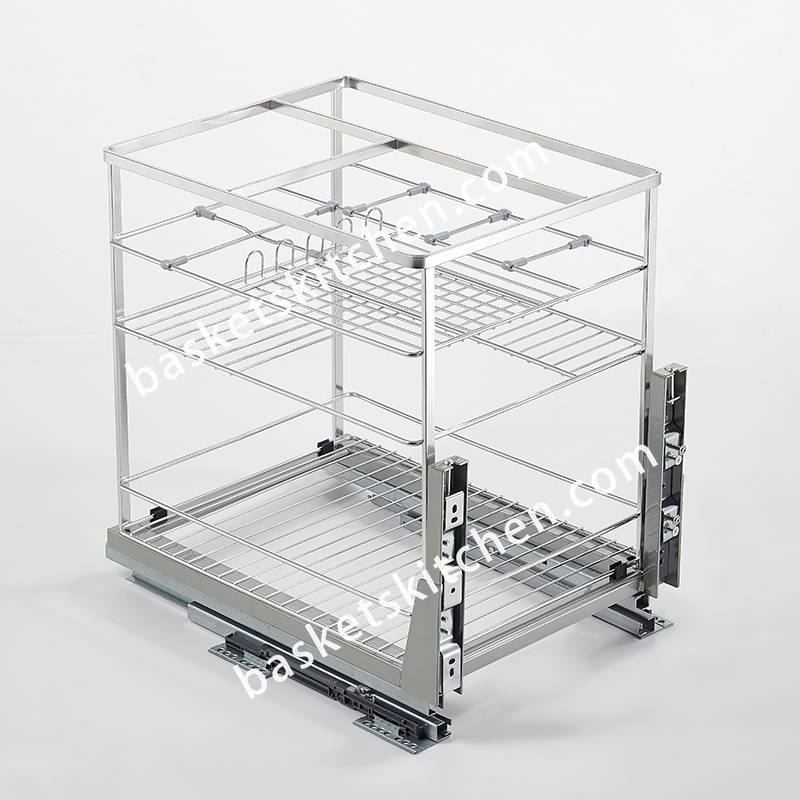
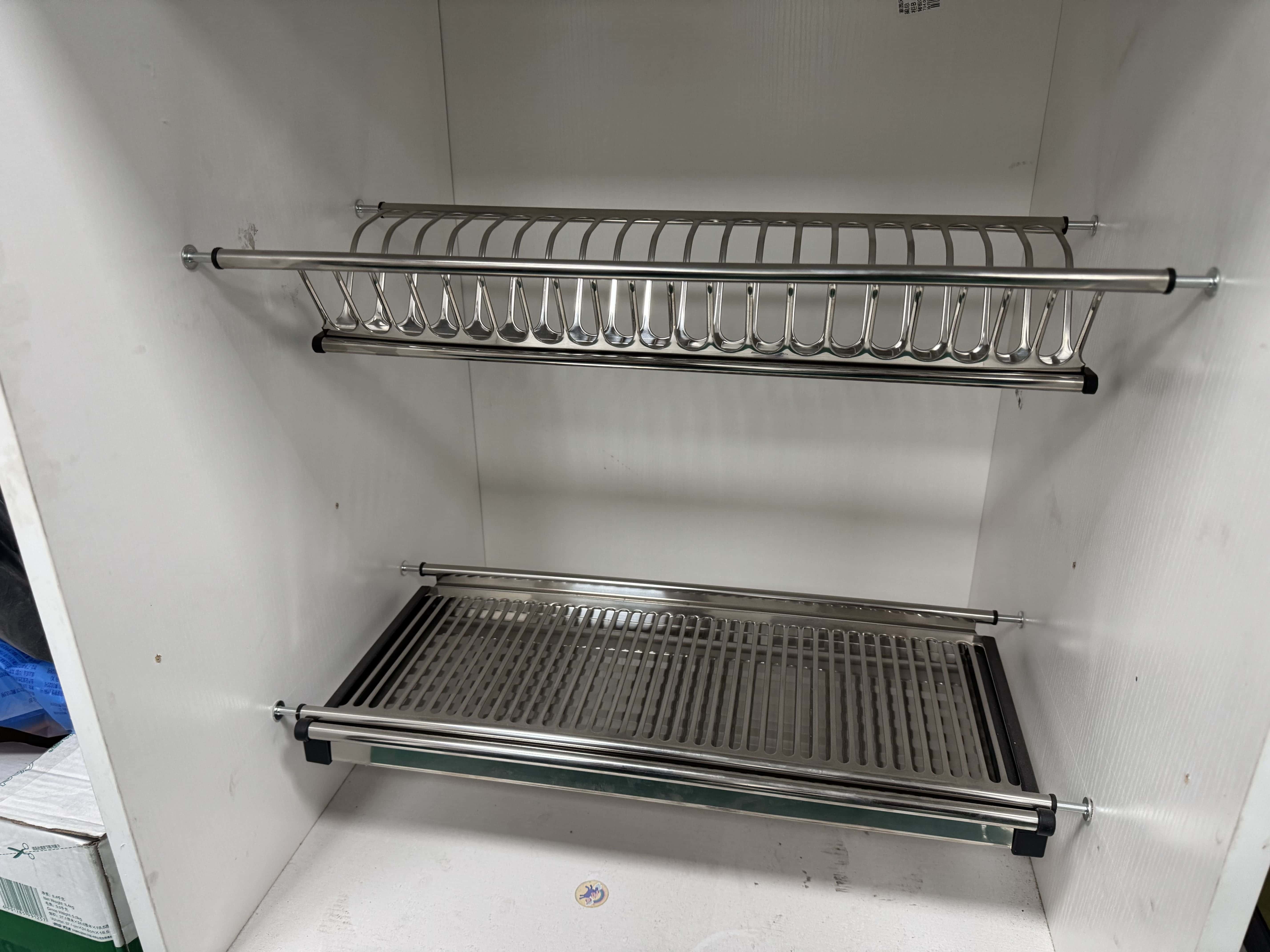
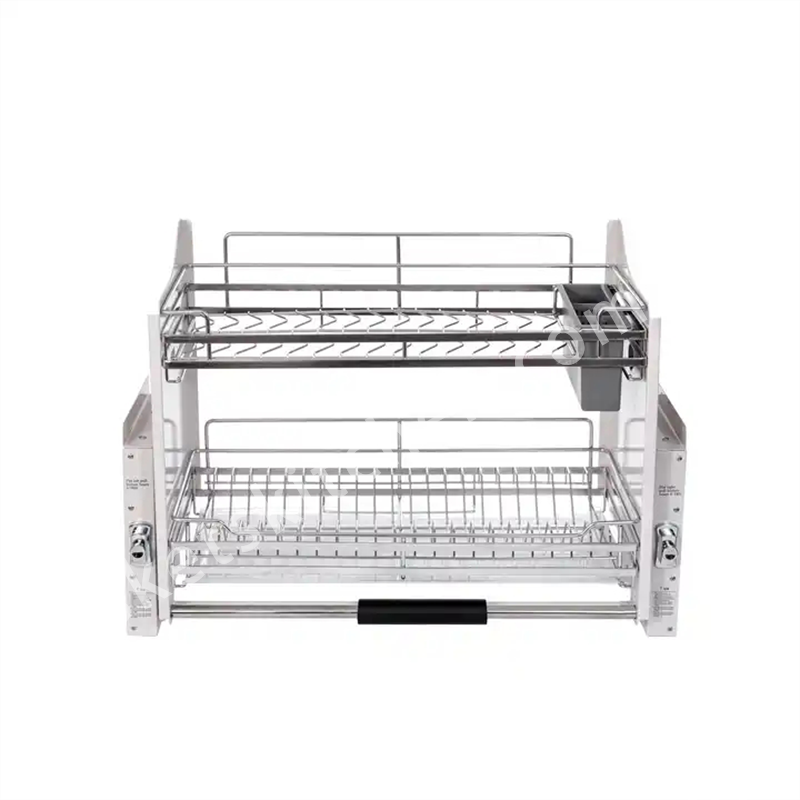
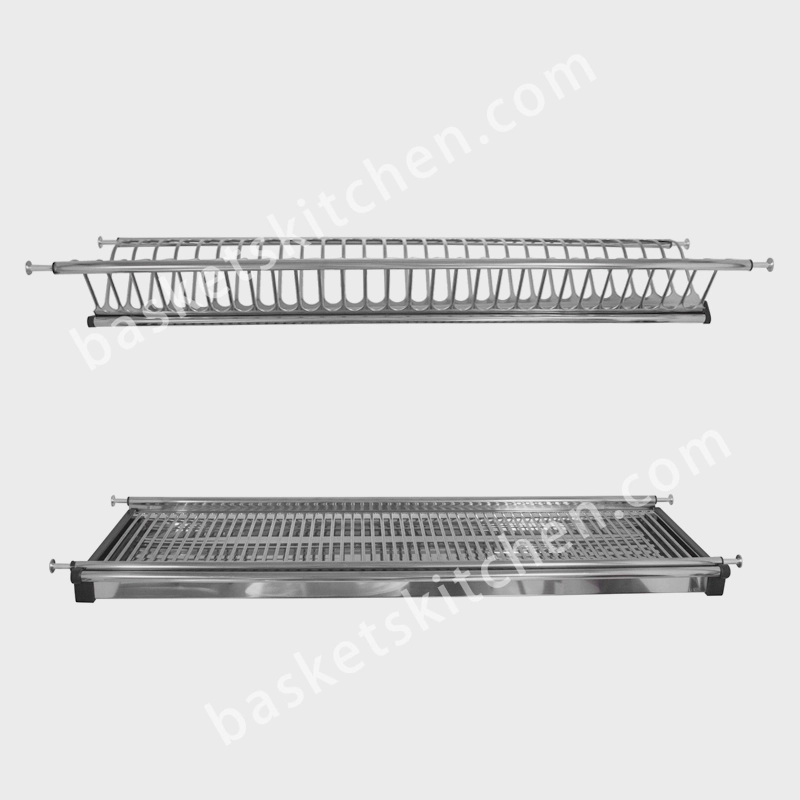
Our product portfolio includes a wide range of premium kitchen storage solutions, such as:
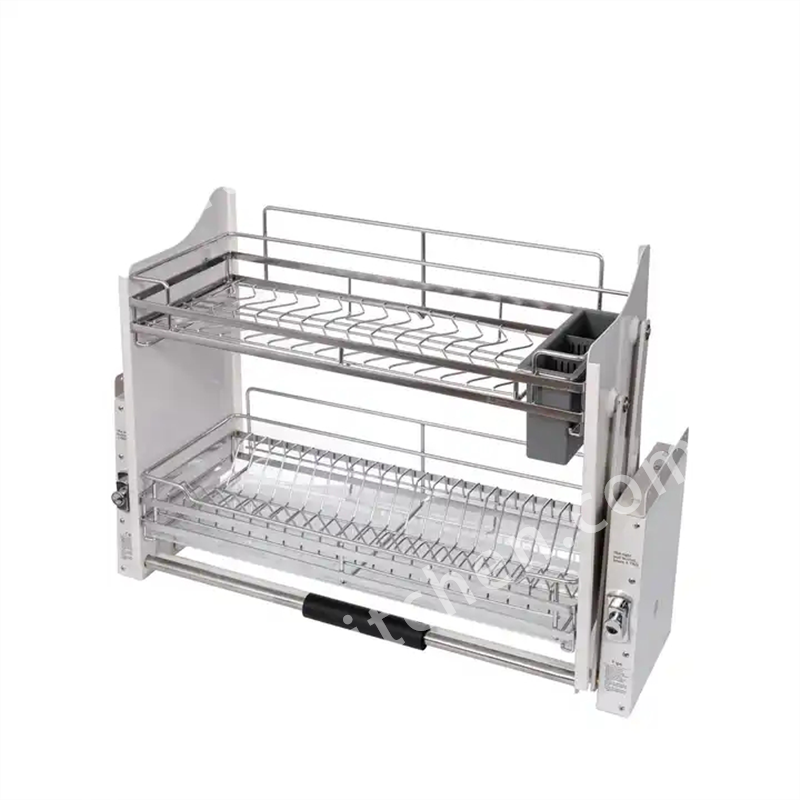
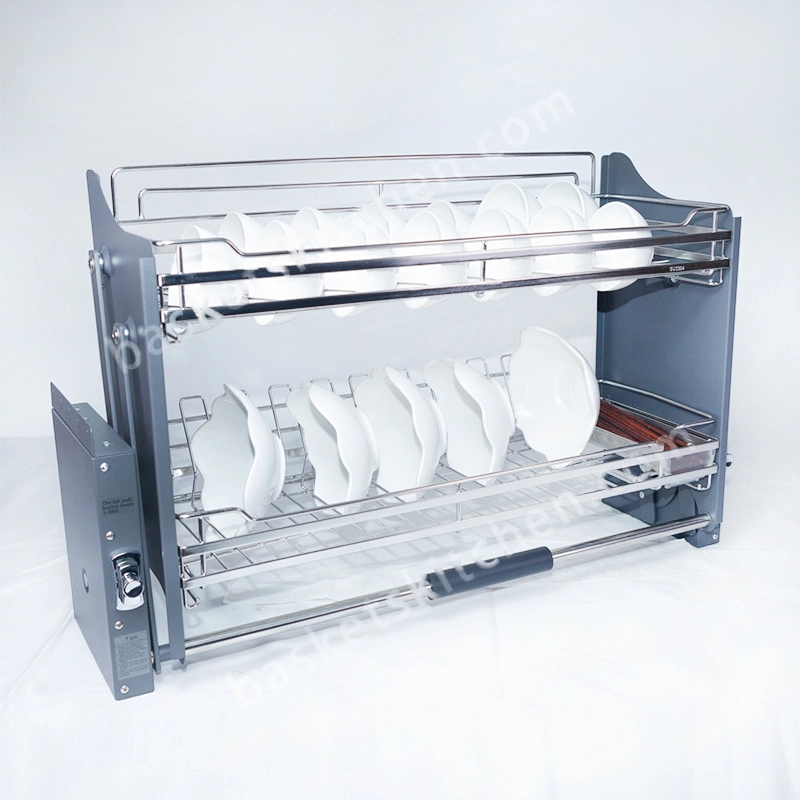
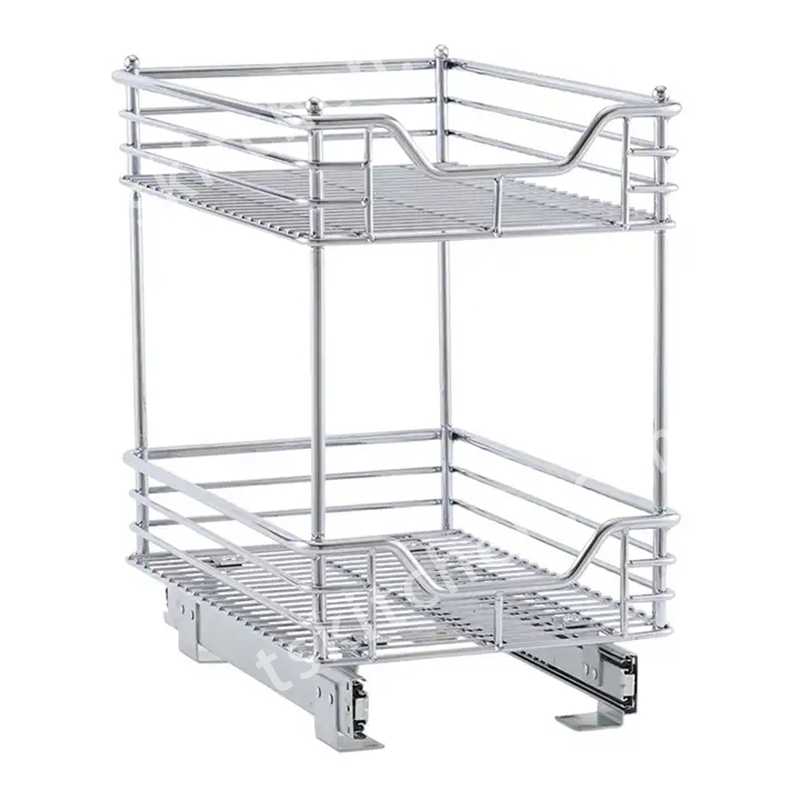
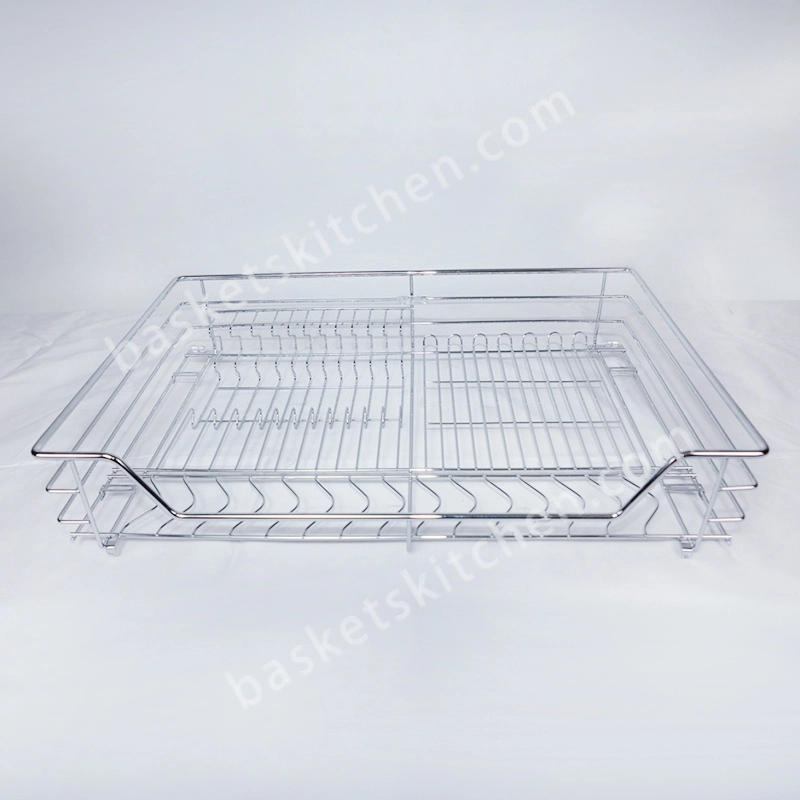
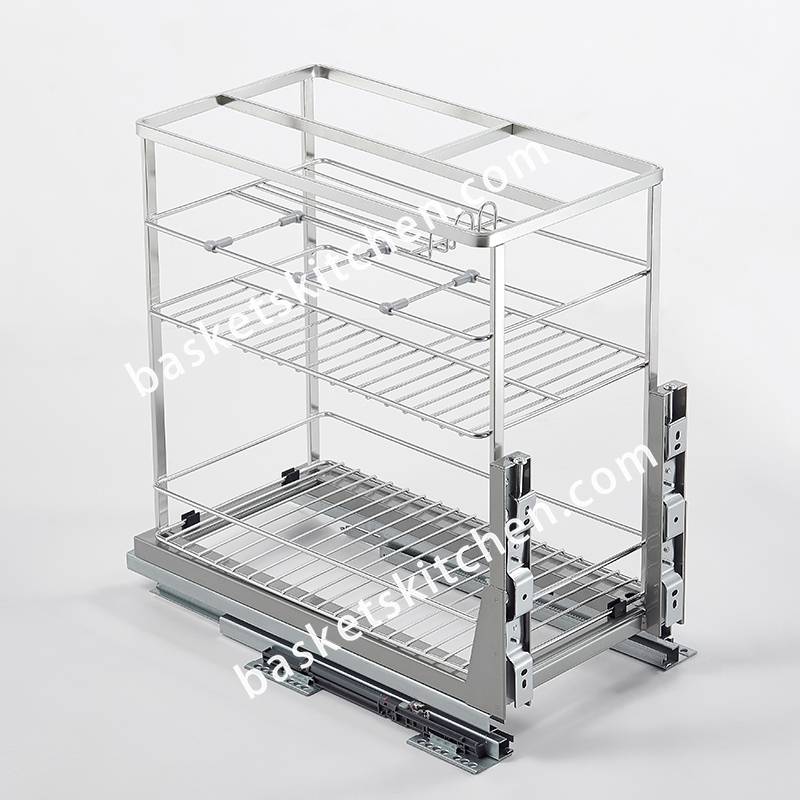
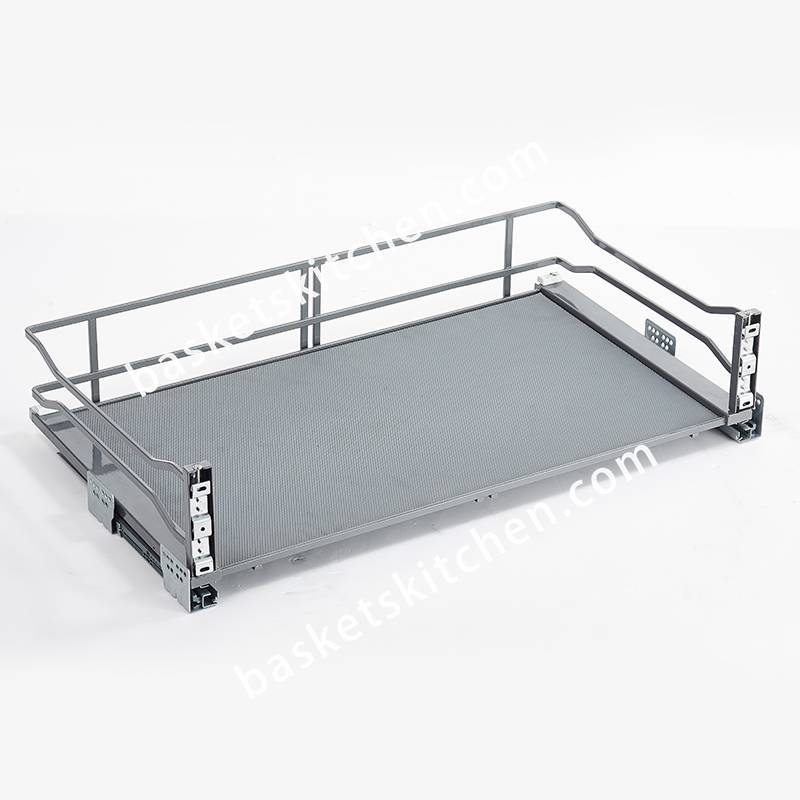
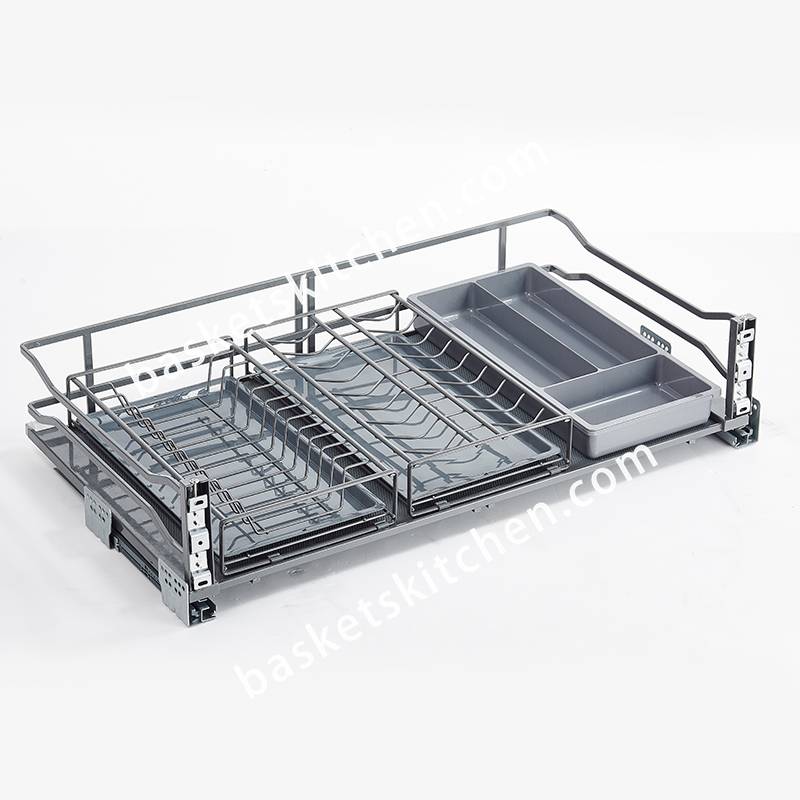
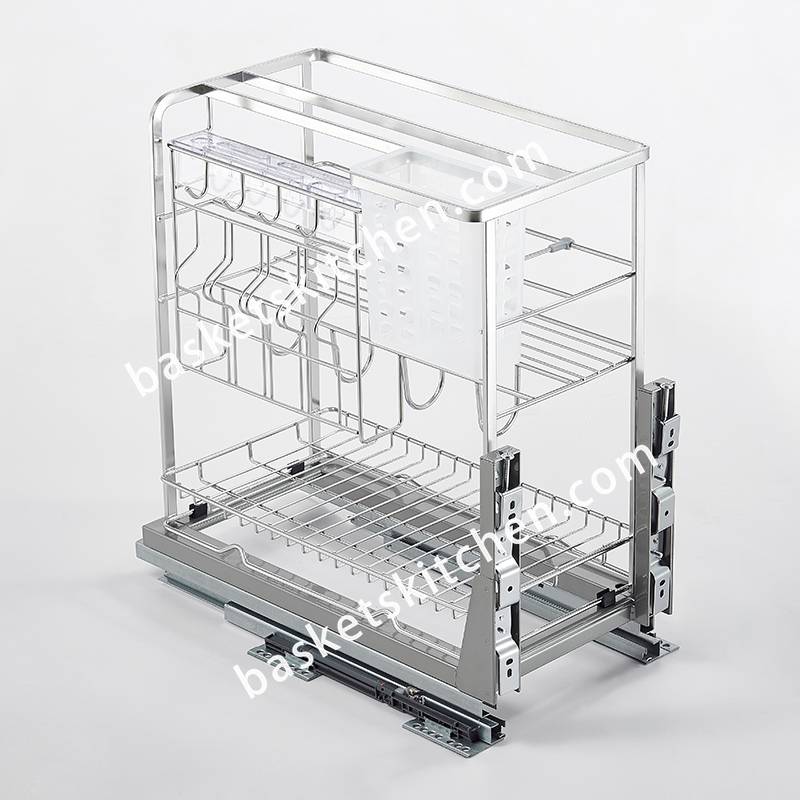
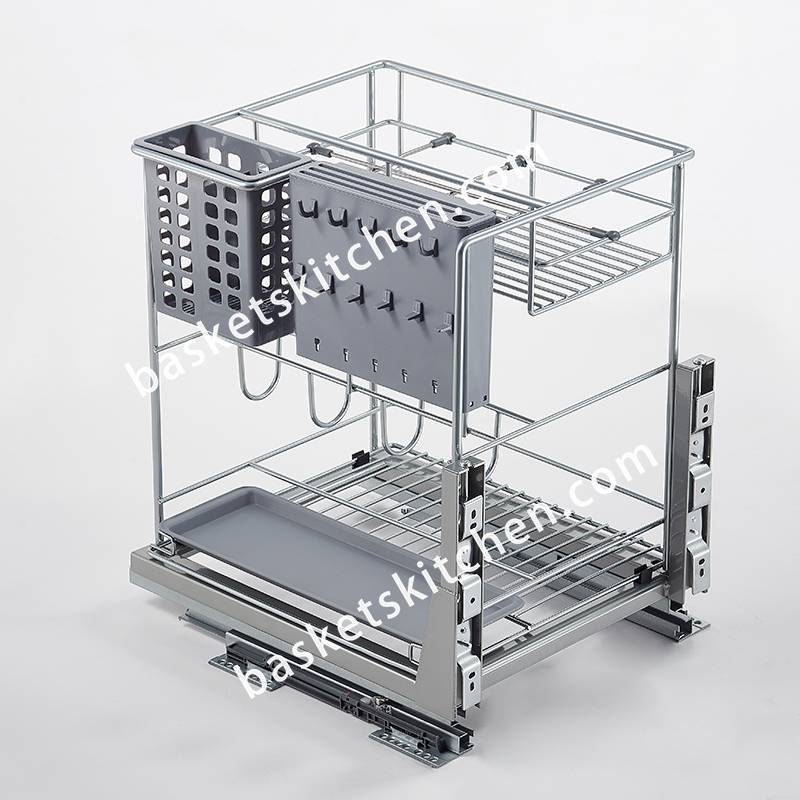
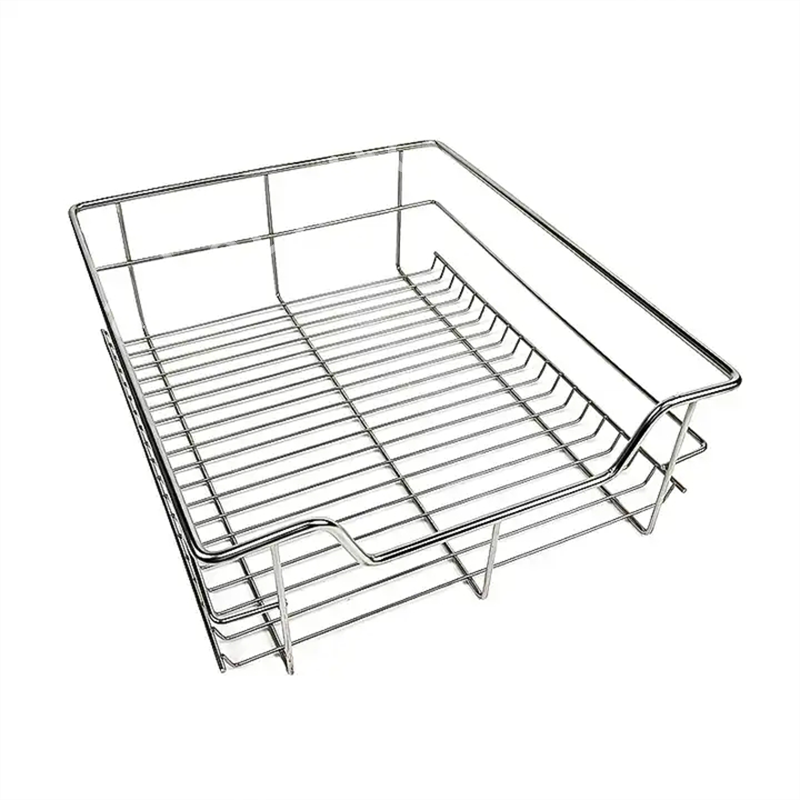
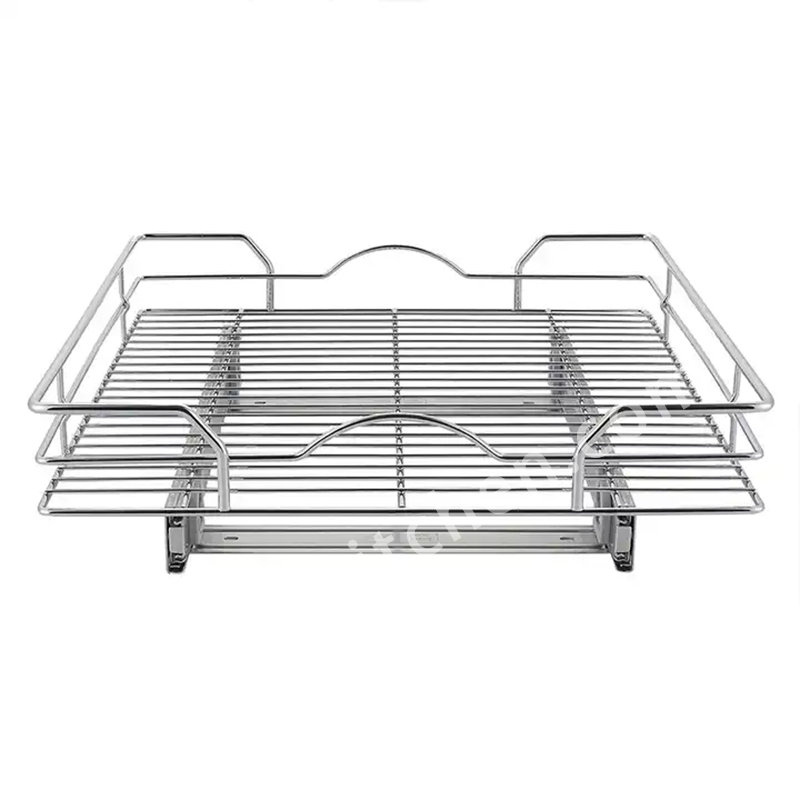
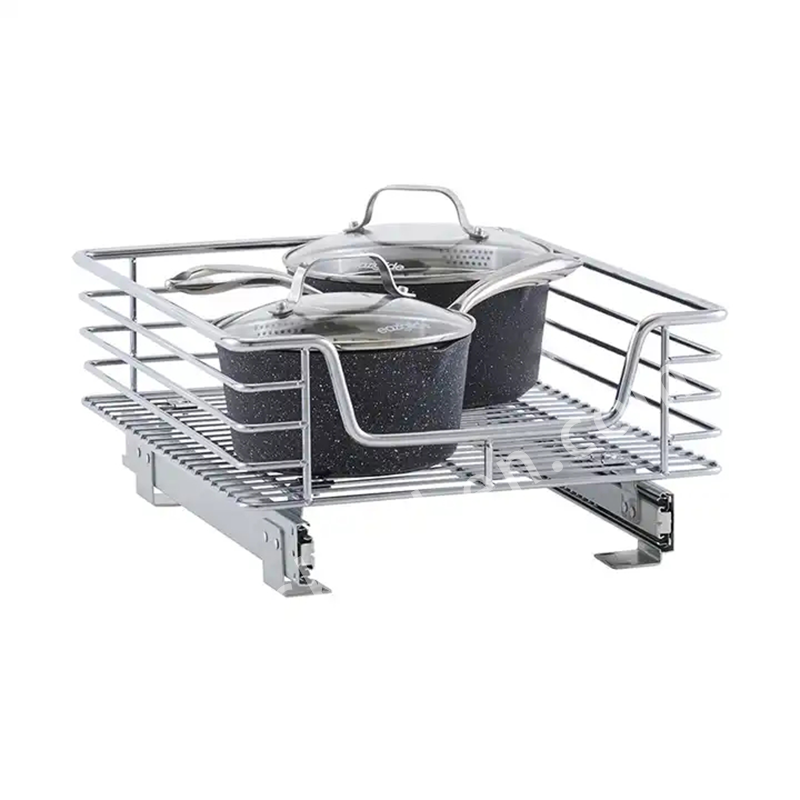
- Pull-Out Kitchen Baskets
- Pull-Down Basket Systems
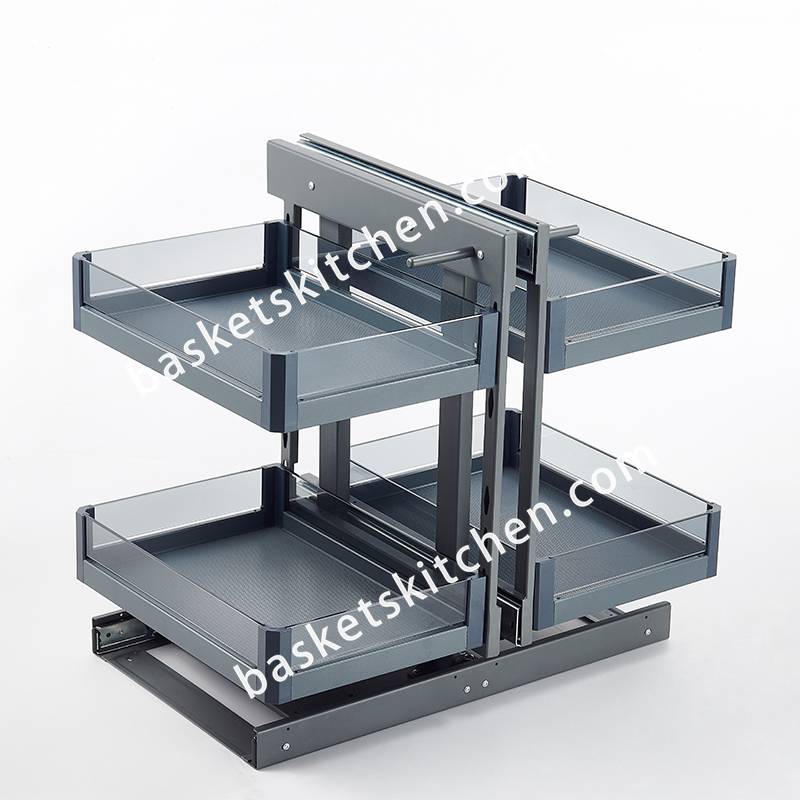
- Blind Corner Organizers
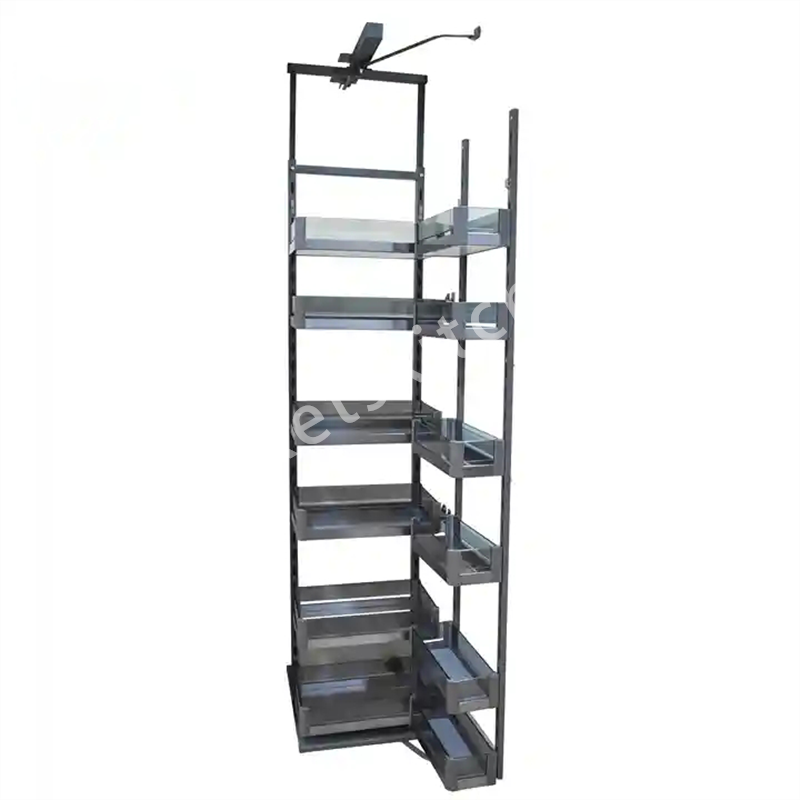
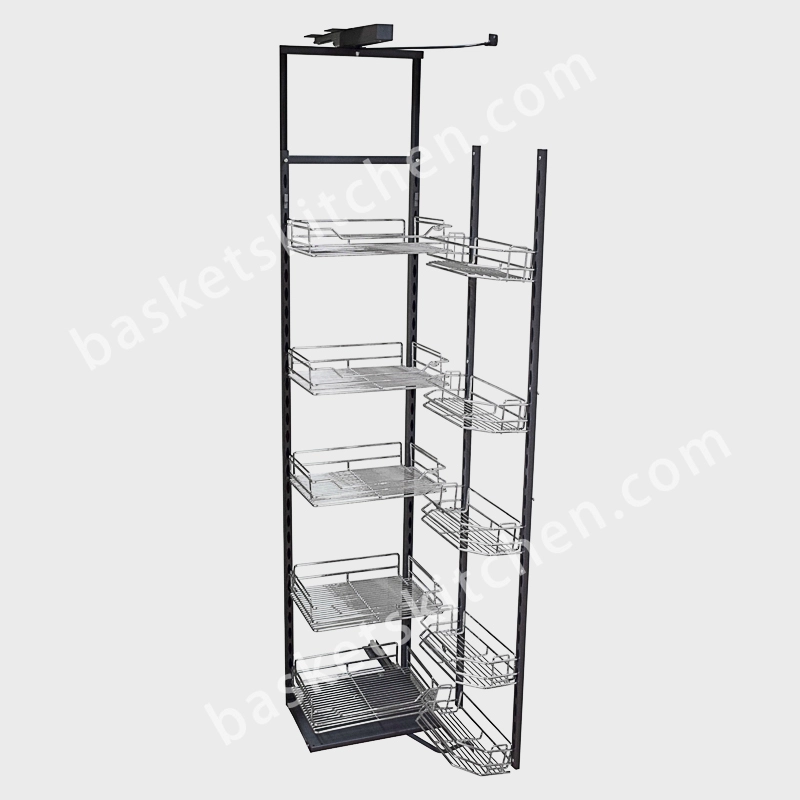
- Pantry Storage Systems
- Tall Unit Baskets
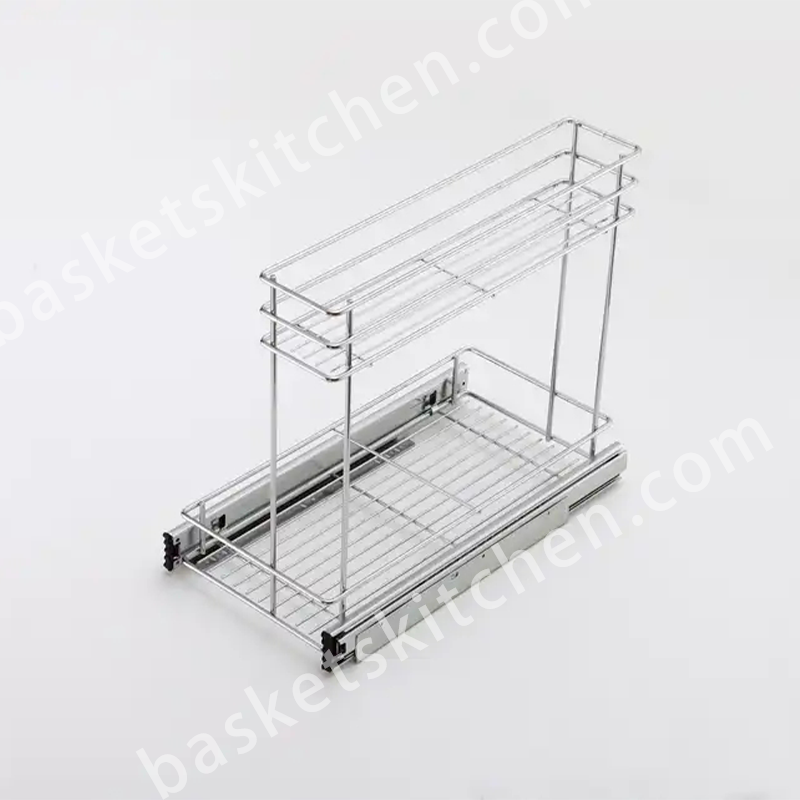
- Sink Cabinet Organizers
- Drawer Basket Systems
- Magic Corner Baskets
- Wire Storage Baskets
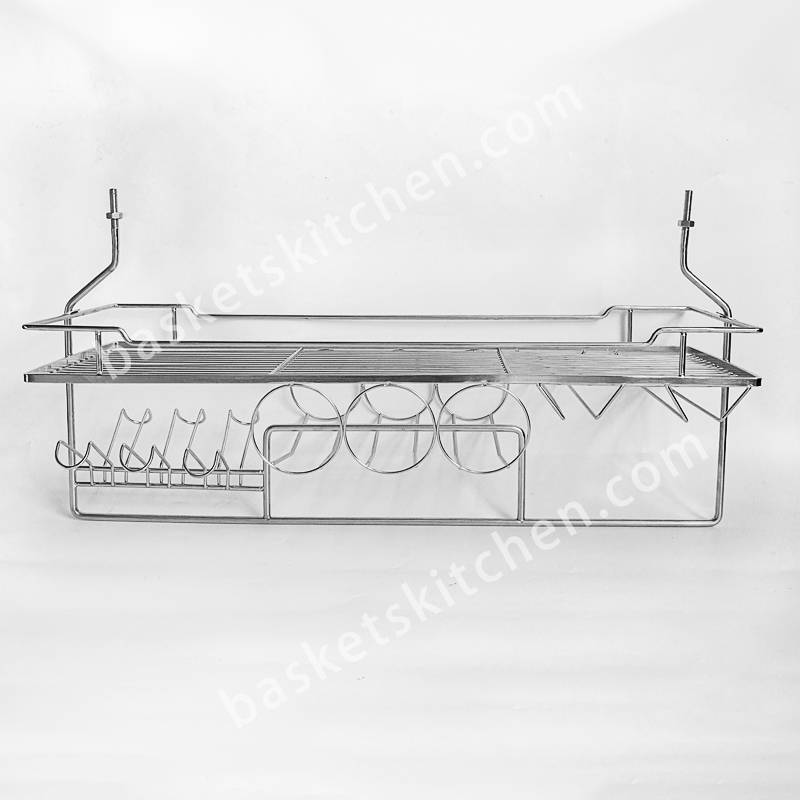
- Stainless Steel Kitchen Accessories
Every product is manufactured using premium materials, advanced production technology, and comprehensive quality inspection procedures to ensure long-lasting performance and customer satisfaction.
At Guangzhou Keyuan Metal Products Co., Ltd., we work closely with:
- Importers
- Wholesale Distributors
- Retail Chains
- Kitchen Cabinet Manufacturers
- Furniture Brands
- Home Improvement Companies
- Construction Projects
- Hospitality Suppliers
- E-commerce Businesses
- Global Purchasing Agents
From product development and engineering to manufacturing, packaging, and international shipping, our experienced team supports every stage of your project. Whether you require OEM production, ODM solutions, private label manufacturing, or bulk wholesale supply, we are committed to delivering reliable products, competitive pricing, and exceptional service that help your business grow.
Partner with Guangzhou Keyuan Metal Products Co., Ltd. and experience the benefits of working with a professional manufacturing partner dedicated to quality, innovation, and long-term business success.




Understanding the B2B Sales Process
A successful B2B sales process follows a structured workflow that transforms potential buyers into long-term business partners. Every stage, from identifying prospects to providing after-sales support, plays an important role in building trust and increasing customer satisfaction.
1. Identify Your Target Market
Every successful B2B sales strategy begins with identifying the right target audience. Rather than marketing products to everyone, manufacturers should focus on businesses that are most likely to benefit from their products and services. Understanding the needs, purchasing behavior, and business goals of potential customers allows manufacturers to create more effective marketing campaigns and sales strategies.
Typical B2B customers include:
- Kitchen organizer importers
- Wholesale distributors
- Retail chains
- Kitchen cabinet manufacturers
- Furniture manufacturers
- Construction companies
- Hospitality suppliers
- Interior design companies
- Home improvement brands
- E-commerce sellers
- Building material suppliers
- Hardware distributors
In addition to identifying industries, manufacturers should also define their target regions, preferred order sizes, and customer segments. A company specializing in OEM kitchen storage products, for example, may focus on buyers in North America, Europe, Australia, and the Middle East where demand for premium kitchen organization solutions continues to grow.
Understanding customer challenges, market trends, and purchasing requirements enables manufacturers to position themselves as trusted solution providers rather than simply product suppliers.
2. Generate Qualified Leads
Lead generation is the foundation of every successful B2B sales strategy. Without a steady flow of qualified leads, manufacturers cannot consistently grow their customer base or increase revenue. The objective is not only to generate inquiries but also to attract businesses that are actively looking for reliable manufacturing partners.
Today, buyers research manufacturers online before making purchasing decisions. Therefore, companies should maintain a strong digital presence through multiple marketing channels.
Effective lead generation channels include:
- Company website
- Google Search
- Search Engine Optimization (SEO)
- Blog content marketing
- LinkedIn networking
- Trade exhibitions
- Alibaba
- Made-in-China
- Industry directories
- Email marketing
- Google Ads
- Social media marketing
- Business referrals
- Existing customer recommendations
A professional website optimized for relevant keywords can continuously generate high-quality inquiries from global buyers. Educational blog articles, product guides, and factory information help establish credibility while improving search engine rankings.
Instead of focusing only on increasing website traffic, manufacturers should concentrate on attracting qualified buyers who have genuine purchasing intent. High-quality leads generally result in better conversion rates and stronger long-term business relationships.
3. Understand Customer Requirements
Once a qualified lead is generated, the next step is understanding the customer’s specific requirements. Professional sales teams spend time gathering detailed information before preparing quotations or recommending products. This consultative approach demonstrates expertise and helps build customer confidence.
Important questions often include:
- Which products are required?
- What materials are preferred?
- Are OEM or ODM services needed?
- What is the expected order quantity?
- What packaging requirements exist?
- Which certifications are necessary?
- What is the target market?
- What delivery schedule is expected?
- What budget has been allocated?
- Are there any special customization requests?
Understanding these details enables manufacturers to recommend the most suitable solutions while avoiding misunderstandings later in the production process. Effective communication during this stage significantly increases customer satisfaction and improves the likelihood of securing long-term cooperation.
4. Prepare Competitive Quotations
A professional quotation is much more than a simple price list. It represents the manufacturer’s professionalism and demonstrates transparency throughout the purchasing process. Well-prepared quotations help buyers evaluate products, compare suppliers, and make informed purchasing decisions.
A comprehensive quotation should include:
- Product specifications
- Product images
- Material information
- Surface finish
- Available sizes
- Unit price
- Minimum Order Quantity (MOQ)
- Production lead time
- Packaging details
- Shipping methods
- Payment terms
- Warranty information
- Product certifications
- OEM and ODM options
- Valid quotation period
Providing detailed quotations reduces uncertainty and minimizes future disputes. Buyers appreciate manufacturers who provide clear pricing structures, accurate technical information, and realistic production schedules.
5. Product Sampling
Product samples play a critical role in the B2B purchasing process. Before placing large production orders, most international buyers request samples to evaluate quality, functionality, and overall workmanship.
Sample evaluation typically includes:
- Product quality
- Material strength
- Surface finish
- Dimensions
- Product performance
- Assembly quality
- Packaging
- Branding options
- Durability
- Ease of installation
High-quality samples create confidence in the manufacturer’s production capabilities and often lead to larger orders. Manufacturers that respond quickly to sample requests generally improve customer satisfaction and shorten the sales cycle.
6. Order Confirmation
After customers approve the product samples, both parties proceed to finalize the order details. Clear communication during this stage ensures that production begins smoothly without unnecessary delays or misunderstandings.
The order confirmation process generally includes:
- Purchase contract
- Final product specifications
- Production schedule
- Payment agreement
- Packaging approval
- Shipping method
- Delivery timeline
- Quality requirements
- Inspection standards
- Documentation requirements
Professional manufacturers carefully review every detail before production begins, ensuring that customer expectations are fully understood and documented.
7. Production & Quality Control
Once the order is confirmed, the manufacturing process begins. Reliable manufacturers follow a well-organized production system to ensure every product meets customer specifications and international quality standards. From raw material sourcing to final assembly, each production stage is carefully monitored by experienced engineers and quality control specialists.
Modern factories use advanced production equipment, standardized operating procedures, and continuous process monitoring to minimize defects and improve manufacturing efficiency. Regular inspections throughout production help identify potential issues early, reducing waste and ensuring consistent product quality.
A comprehensive quality control system typically includes:
- Raw material inspection
- Incoming material verification
- Production process monitoring
- Precision machining inspection
- Assembly inspection
- Dimensional accuracy testing
- Surface finish inspection
- Functional testing
- Load and durability testing
- Packaging inspection
- Random sampling inspection
- Final quality audit before shipment
Many professional manufacturers also comply with international quality management systems such as ISO 9001, ensuring every product is manufactured according to strict quality standards. Consistent quality not only reduces customer complaints but also strengthens buyer confidence and encourages long-term business partnerships.
8. Shipping & Delivery
Efficient logistics play a critical role in successful B2B sales. International buyers expect their products to arrive safely, on time, and in excellent condition. Professional manufacturers work closely with experienced freight forwarders and logistics partners to ensure smooth transportation from the factory to the customer’s destination.
Before shipment, products are carefully packed using export-grade packaging materials to protect them from damage during transportation. Packaging methods are selected based on product type, shipping method, and destination requirements.
Common international shipping options include:
- Sea Freight
- Air Freight
- Railway Freight
- Express Courier Services
- Multimodal Transportation
Manufacturers also prepare all necessary export documentation to ensure customs clearance proceeds smoothly. Typical export documents include:
- Commercial Invoice
- Packing List
- Bill of Lading
- Certificate of Origin
- Inspection Certificate
- Export Declaration
- Product Certifications
- Shipping Labels
Professional logistics management helps reduce delivery delays, lower transportation costs, and improve customer satisfaction. Reliable delivery performance is one of the key factors that encourages repeat business and strengthens long-term partnerships.
9. After-Sales Support
The B2B sales process does not end once the products have been delivered. Excellent after-sales service is essential for maintaining customer satisfaction and building lasting business relationships. Manufacturers that provide responsive support are more likely to earn repeat orders and long-term cooperation.
Professional after-sales service demonstrates a manufacturer’s commitment to customer success and helps resolve issues quickly if they arise.
Typical after-sales services include:
- Technical support
- Product installation guidance
- Warranty services
- Product replacement
- Spare parts supply
- Customer feedback collection
- Product maintenance advice
- Quality issue resolution
- Repeat order assistance
- Continuous product improvement
By maintaining regular communication with customers after delivery, manufacturers gain valuable insights that help improve future products and services. Strong after-sales support transforms first-time buyers into loyal business partners.
Common B2B Sales Models
Different manufacturers operate under various business models depending on customer requirements, product complexity, and branding needs. Understanding these models helps buyers select the most suitable manufacturing solution for their business.
OEM Manufacturing
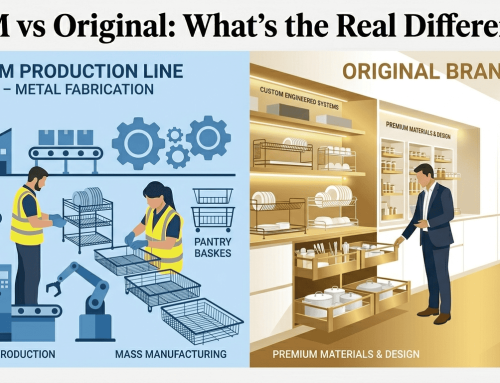
OEM (Original Equipment Manufacturing) is ideal for businesses that already have their own product designs, specifications, and technical requirements. The customer provides the design, while the manufacturer produces the product according to those exact specifications. OEM manufacturing offers complete customization and is widely used by established brands seeking exclusive products.
ODM Manufacturing
ODM (Original Design Manufacturing) allows customers to choose from the manufacturer’s existing product designs and customize them with their own branding, packaging, colors, and logos. This model reduces product development time and costs while allowing businesses to quickly launch products under their own brand.
Private Label Manufacturing
Private label manufacturing enables businesses to purchase standard products and sell them under their own brand identity. Manufacturers provide logo printing, customized packaging, labeling, and branding services without requiring customers to develop new product designs.
Wholesale Manufacturing
Wholesale manufacturing focuses on producing products in bulk quantities for distributors, retailers, importers, project suppliers, and commercial buyers. Wholesale customers benefit from factory-direct pricing, stable supply, and competitive production costs.
Each of these business models offers unique advantages, allowing businesses to choose the solution that best fits their market strategy and budget.
Effective B2B Sales Strategies
Growing international B2B sales requires more than offering competitive prices. Successful manufacturers invest in marketing, customer relationships, and brand development to attract qualified buyers from around the world.
Some of the most effective B2B sales strategies include:
Build a Professional Website
A professional website serves as the company’s digital showroom. It should clearly present products, factory capabilities, certifications, customization services, and contact information while providing valuable content that answers buyers’ questions.
Invest in SEO
Search Engine Optimization (SEO) helps manufacturers rank higher on Google for keywords such as OEM manufacturer, ODM supplier, wholesale factory, and private label manufacturer. High search rankings generate consistent organic traffic and qualified business inquiries.
Create Valuable Content
Publishing educational blogs, buying guides, product comparisons, and industry insights establishes expertise while attracting potential customers searching for manufacturing solutions.
Leverage LinkedIn Networking
LinkedIn is one of the most effective platforms for connecting with purchasing managers, importers, distributors, wholesalers, and business decision-makers worldwide.
Participate in Trade Exhibitions
International trade shows provide valuable opportunities to meet buyers face-to-face, showcase products, and build long-term business relationships.
Use Google Ads
Well-optimized Google Ads campaigns can generate qualified B2B leads by targeting businesses actively searching for manufacturers and suppliers.
Email Marketing
Regular email campaigns help nurture leads, announce new products, share company updates, and encourage repeat business from existing customers.
CRM Management
Customer Relationship Management (CRM) systems help organize customer information, manage follow-ups, monitor sales pipelines, and improve communication.
Customer Referrals
Satisfied customers often recommend reliable manufacturers to other businesses, making referrals one of the most valuable sources of qualified leads.
Distributor Partnerships
Building strong relationships with distributors allows manufacturers to expand into new markets while increasing brand visibility and sales opportunities.
Combining digital marketing with relationship-based selling creates a sustainable strategy for long-term B2B growth.
Building Trust with International Buyers
Trust is one of the most important factors influencing B2B purchasing decisions. International buyers often work with manufacturers located in different countries, making transparency and credibility essential.
Manufacturers can build trust by showcasing:
- Factory photos
- Factory videos
- Modern production facilities
- Manufacturing certifications
- Quality inspection reports
- Customer testimonials
- Successful case studies
- Export experience
- Professional packaging
- Product testing procedures
- International exhibitions
- Production capacity
Providing accurate product information, maintaining transparent communication, and consistently delivering high-quality products encourages buyers to establish long-term partnerships and place repeat orders.
Common Challenges in B2B Sales
Although B2B sales provide significant opportunities, manufacturers often face various challenges when serving global customers.
Common challenges include:
- Long sales cycles
- Intense price competition
- Communication barriers
- Shipping delays
- Market fluctuations
- Customer qualification
- Product customization requirements
- Supply chain disruptions
- Currency exchange fluctuations
- International regulations
Successful manufacturers overcome these challenges by maintaining strong communication, investing in quality control, improving production efficiency, and offering flexible manufacturing solutions that meet customer needs.
Conclusion
B2B sales are more than simply selling products—they are about building lasting business relationships based on trust, quality, and reliability. Manufacturers that invest in professional production, effective communication, quality assurance, and customer service are better positioned to succeed in competitive global markets.
Whether you are looking for OEM manufacturing, ODM services, private label production, or wholesale supply, partnering with an experienced manufacturer can help you reduce costs, accelerate growth, and expand your business internationally.
Frequently Asked Questions
What is B2B sales?
B2B sales involve selling products or services from one business to another, such as manufacturers supplying distributors, wholesalers, retailers, or importers.
What is the difference between B2B and B2C sales?
B2B sales focus on business customers and often involve bulk orders and long-term partnerships, while B2C sales target individual consumers with smaller purchases.
Why is B2B sales important for manufacturers?
B2B sales help manufacturers secure larger orders, establish long-term partnerships, and achieve sustainable business growth.
Who are the typical B2B buyers?
Common B2B buyers include importers, wholesalers, distributors, retailers, contractors, project developers, and e-commerce businesses.
What industries benefit from B2B sales?
Industries such as kitchen hardware, furniture, construction, hospitality, manufacturing, automotive, and industrial equipment rely heavily on B2B sales.
What services do OEM and ODM manufacturers provide?
They offer custom manufacturing, private label production, product development, branding, packaging, quality control, and worldwide export support.
How can manufacturers generate more B2B leads?
By investing in SEO, content marketing, Google Ads, LinkedIn outreach, trade shows, email campaigns, and maintaining a professional website.
What should I look for in a B2B manufacturing partner?
Choose a manufacturer with strong production capacity, quality certifications, OEM/ODM expertise, export experience, and excellent customer support.
Can small businesses benefit from B2B sales?
Yes. Even small businesses can expand by partnering with manufacturers that offer flexible minimum order quantities (MOQs), private label services, and scalable production.
Why choose Guangzhou Keyuan Metal Products Co., Ltd.?
Because the company provides professional OEM, ODM, private label, and wholesale manufacturing services, backed by strict quality control, competitive pricing, and reliable global export capabilities.
About the author : Maruf Hossain

Related Posts
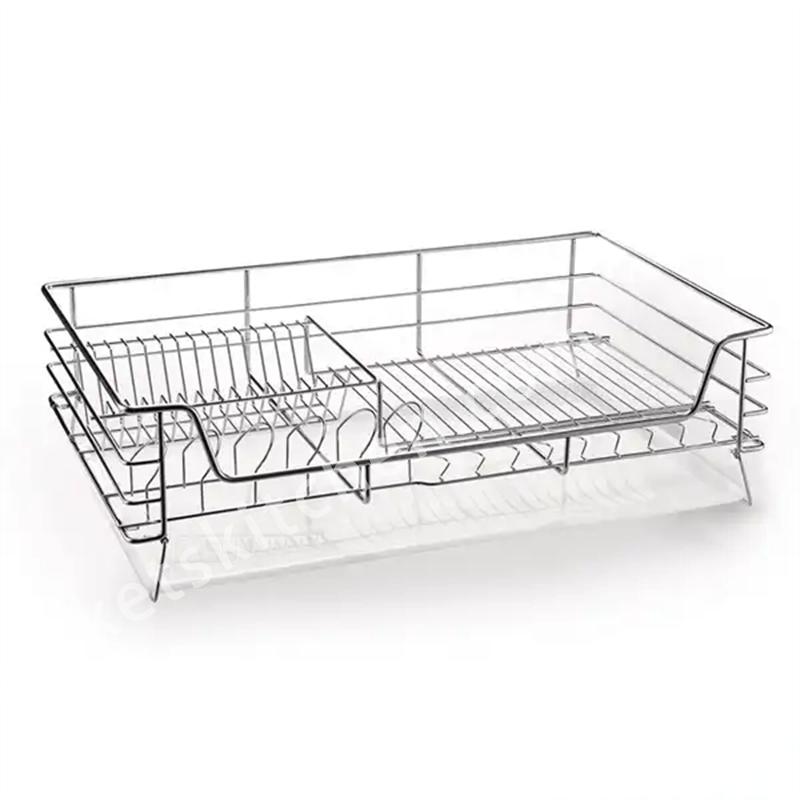
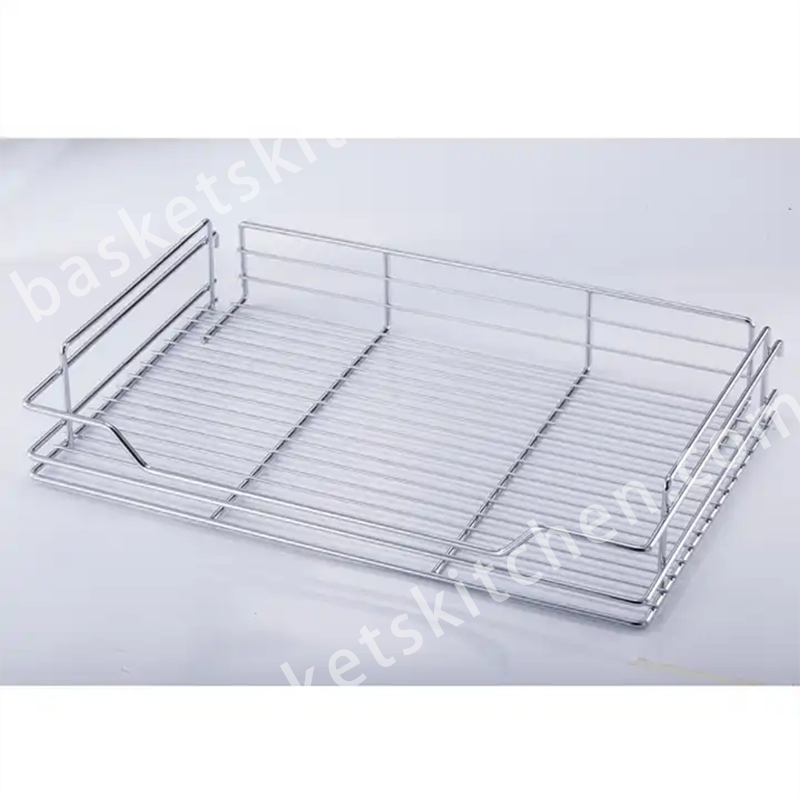
Our OEM/ODM Kitchen Basket Category List




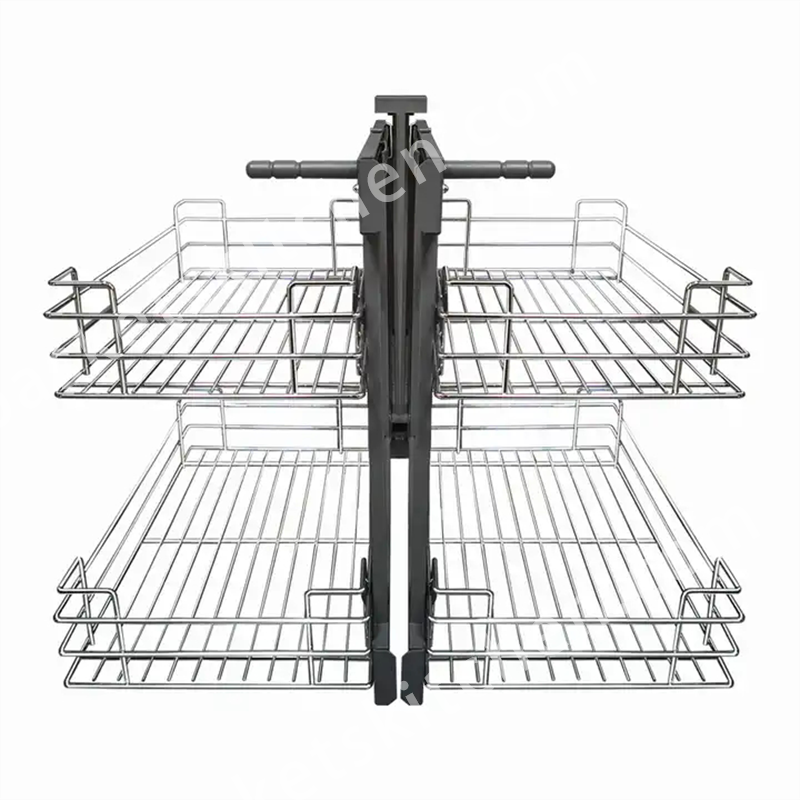
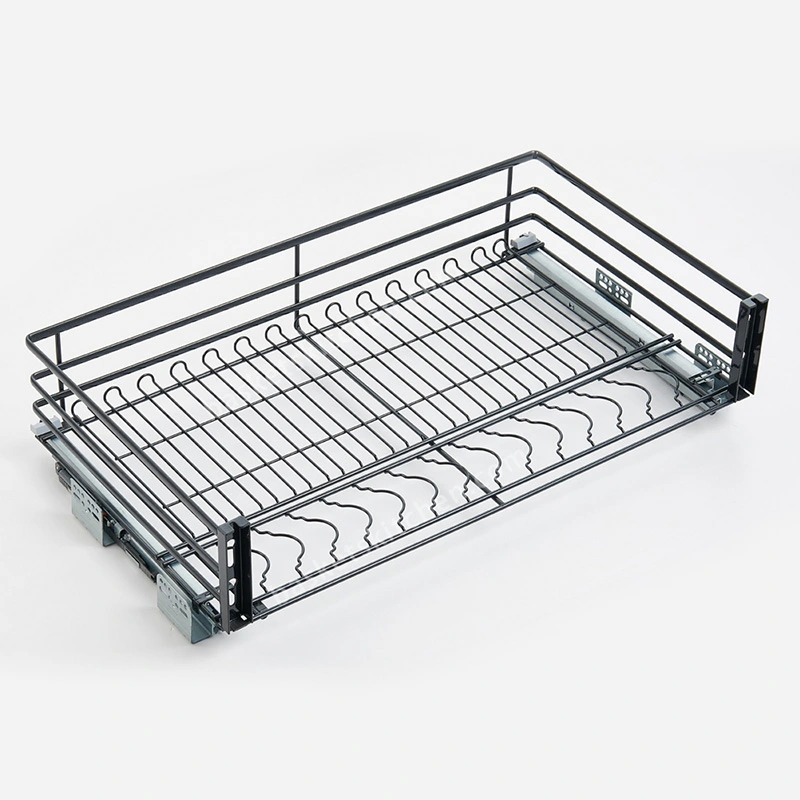
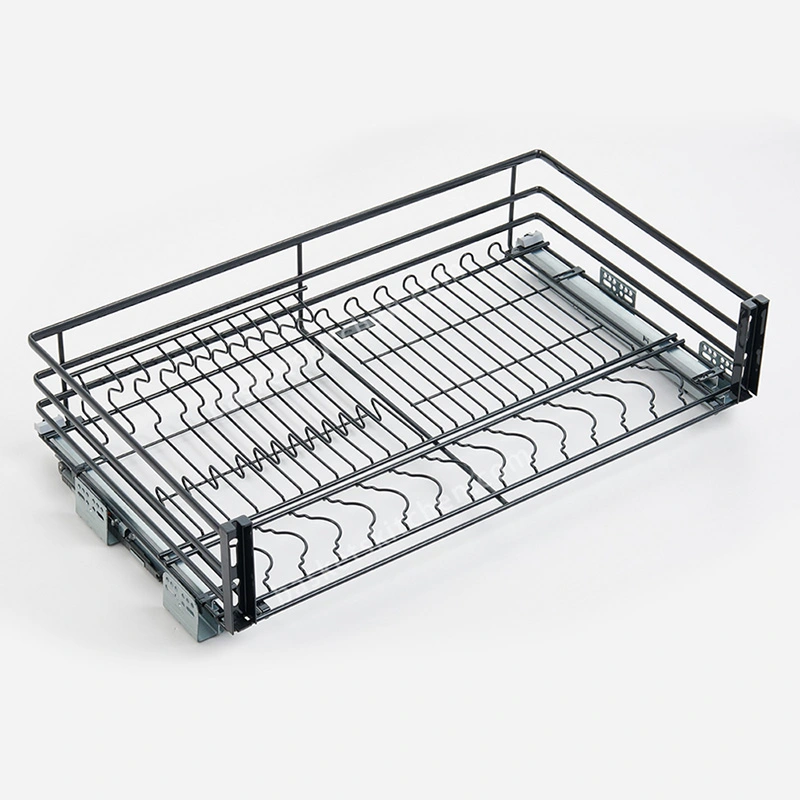
OEM Blind Corner Cabinet
Systems (6)
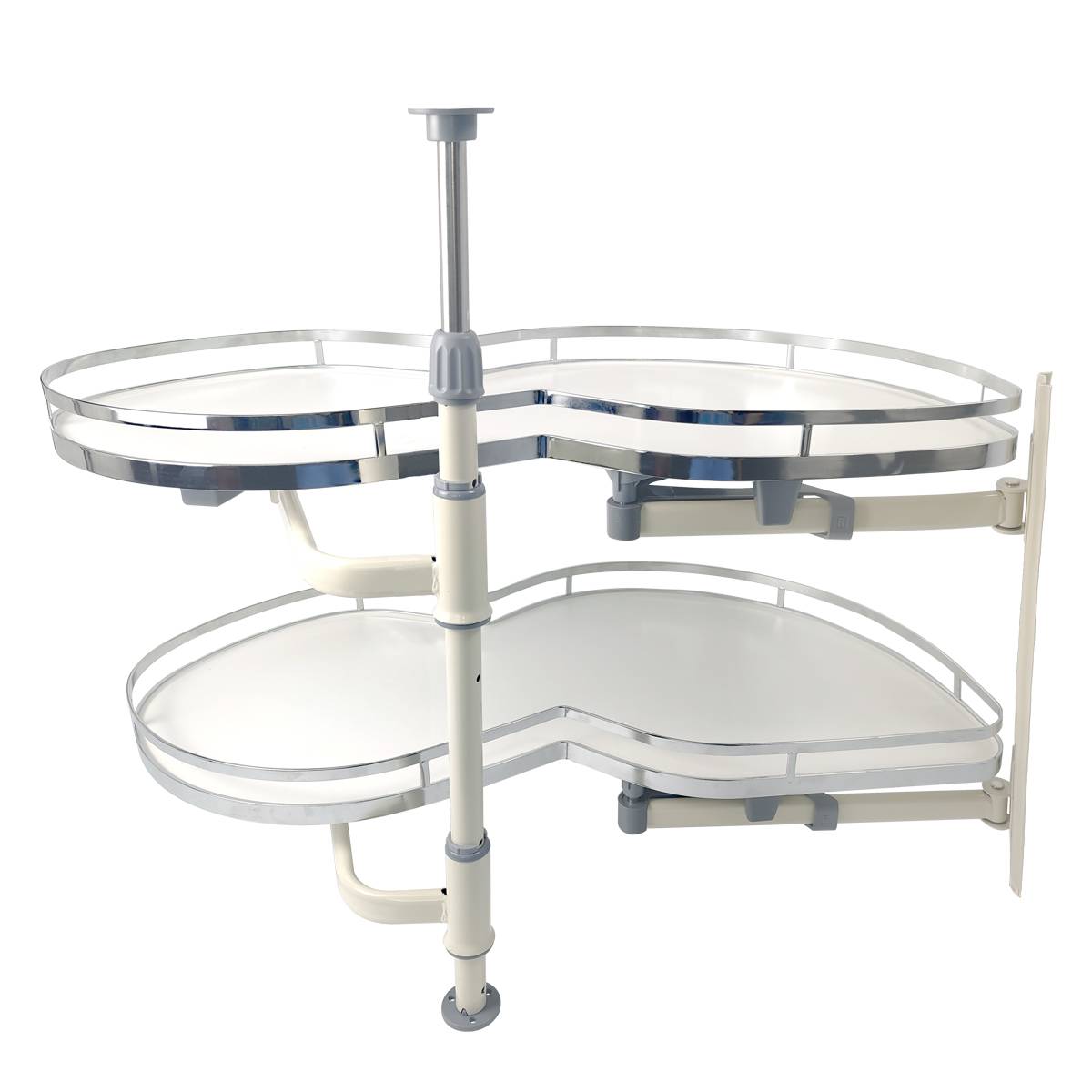

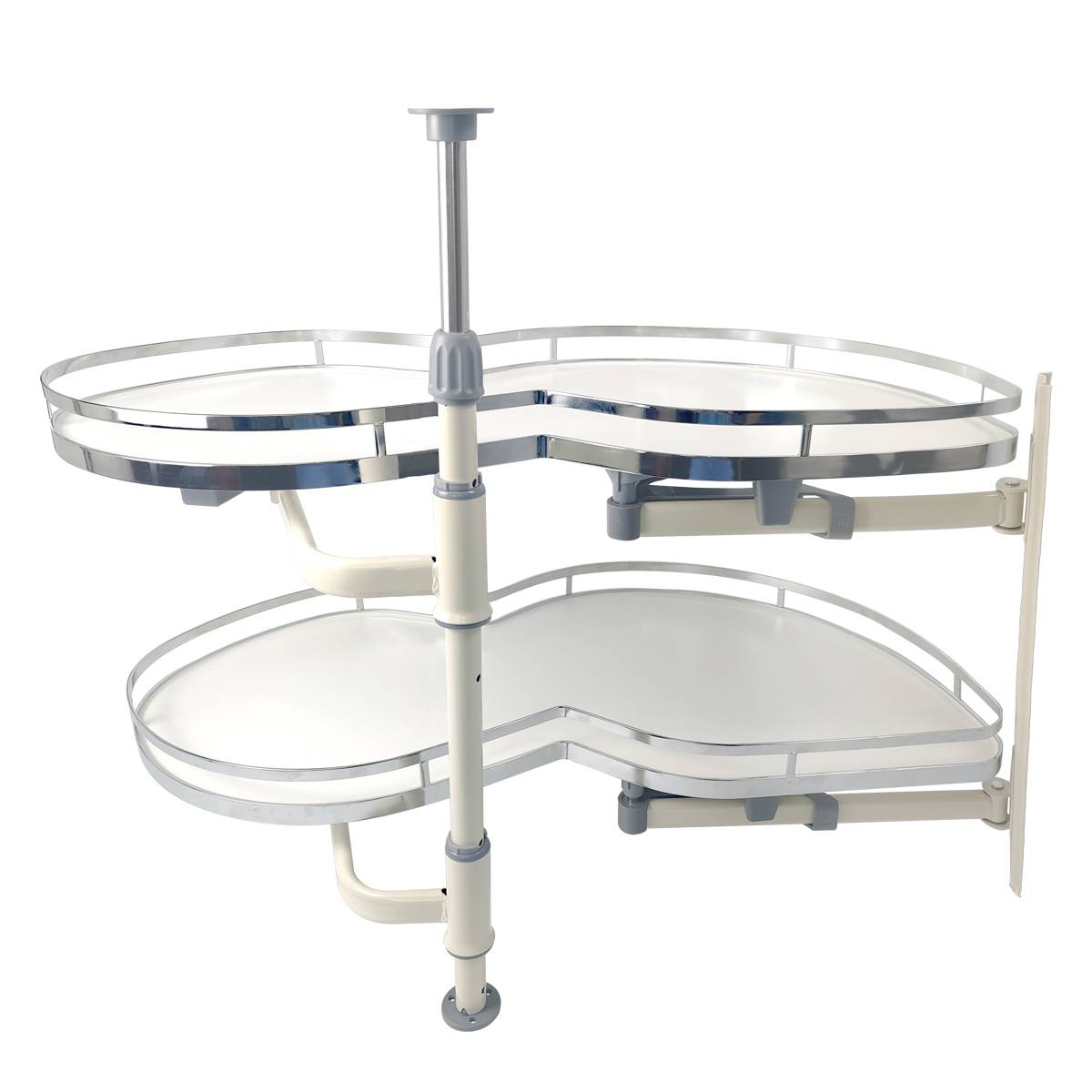
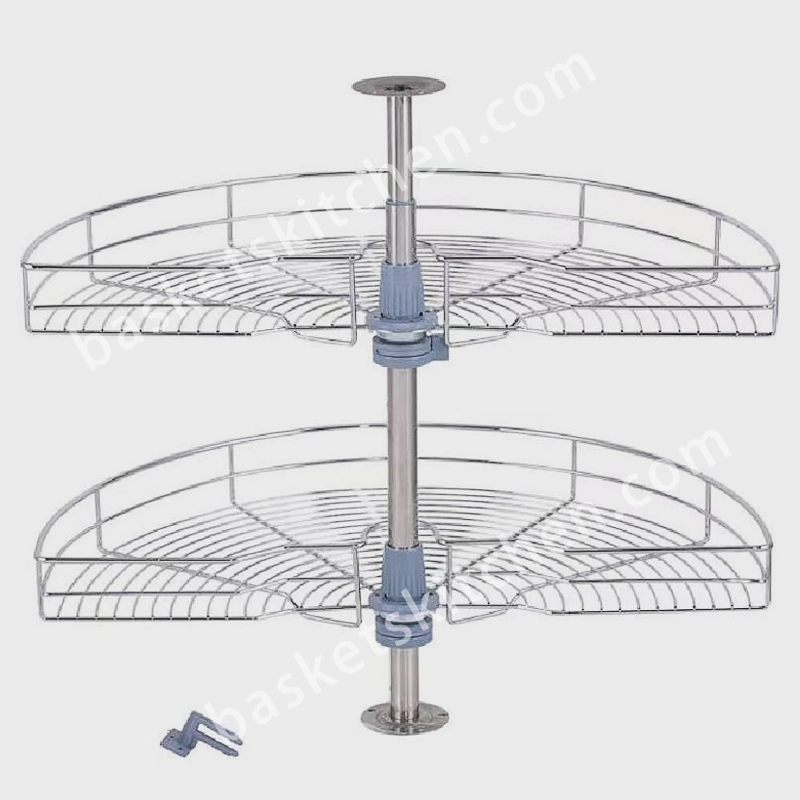
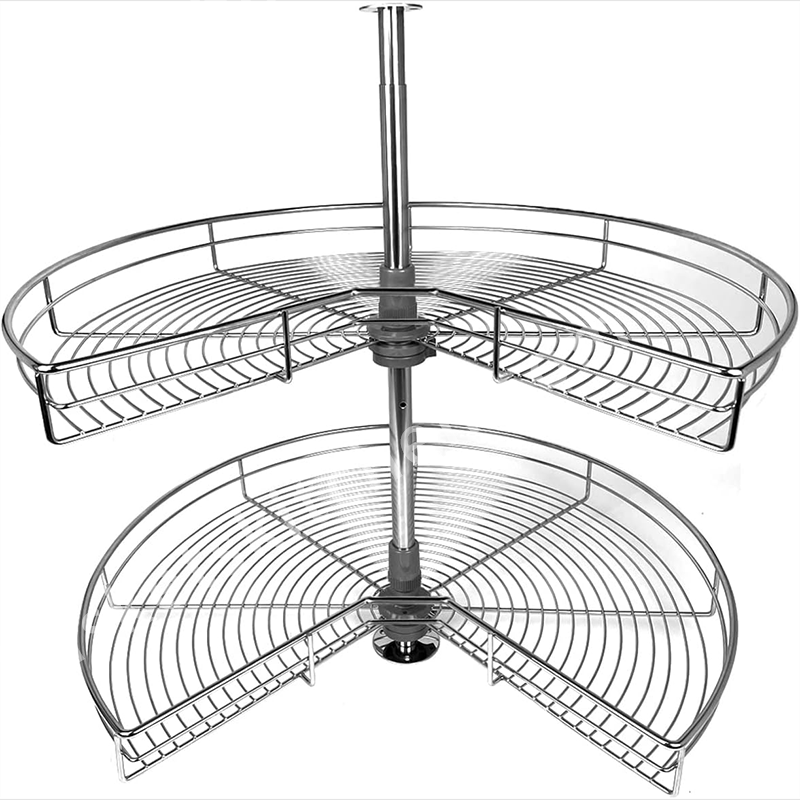
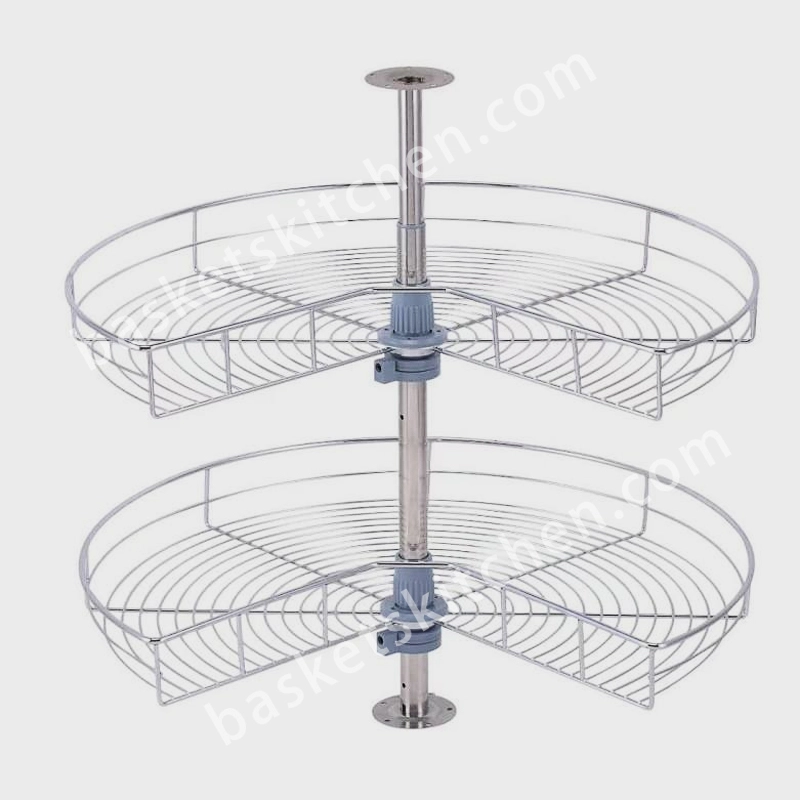
OEM Rotating Kitchen Baskets &Lazy Susans (3)
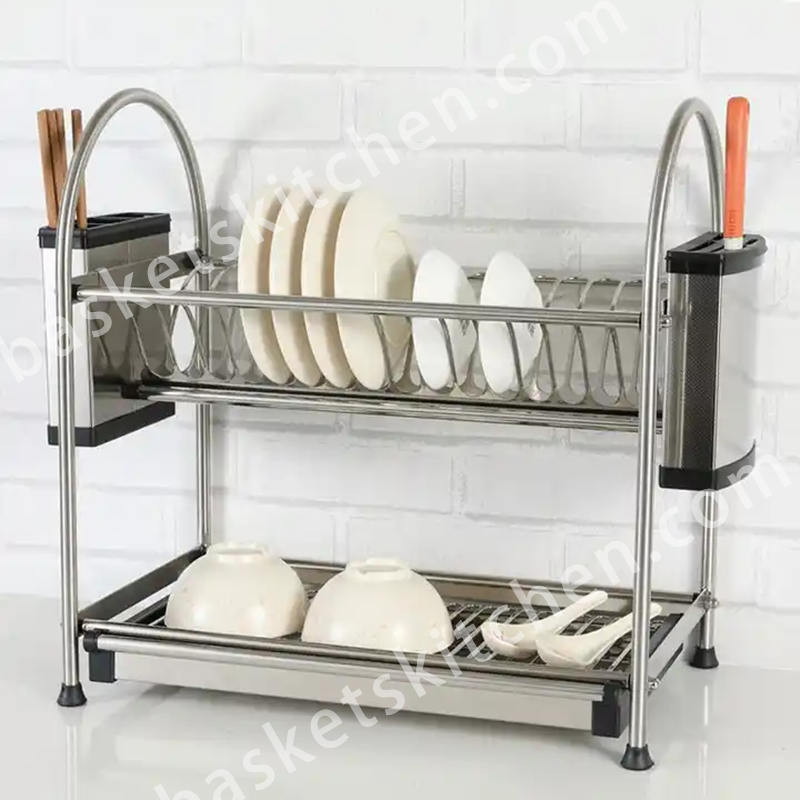
Kitchen Dish Drying Rack - OEM Manufacturer (2)
OEM Ancillary Cabinetry Components (4)