Private Label Products for Small Business: A Complete Guide for Wholesalers and Growing Brands

Private Label Products for Small Business: A Complete Guide for Wholesalers and Growing Brands
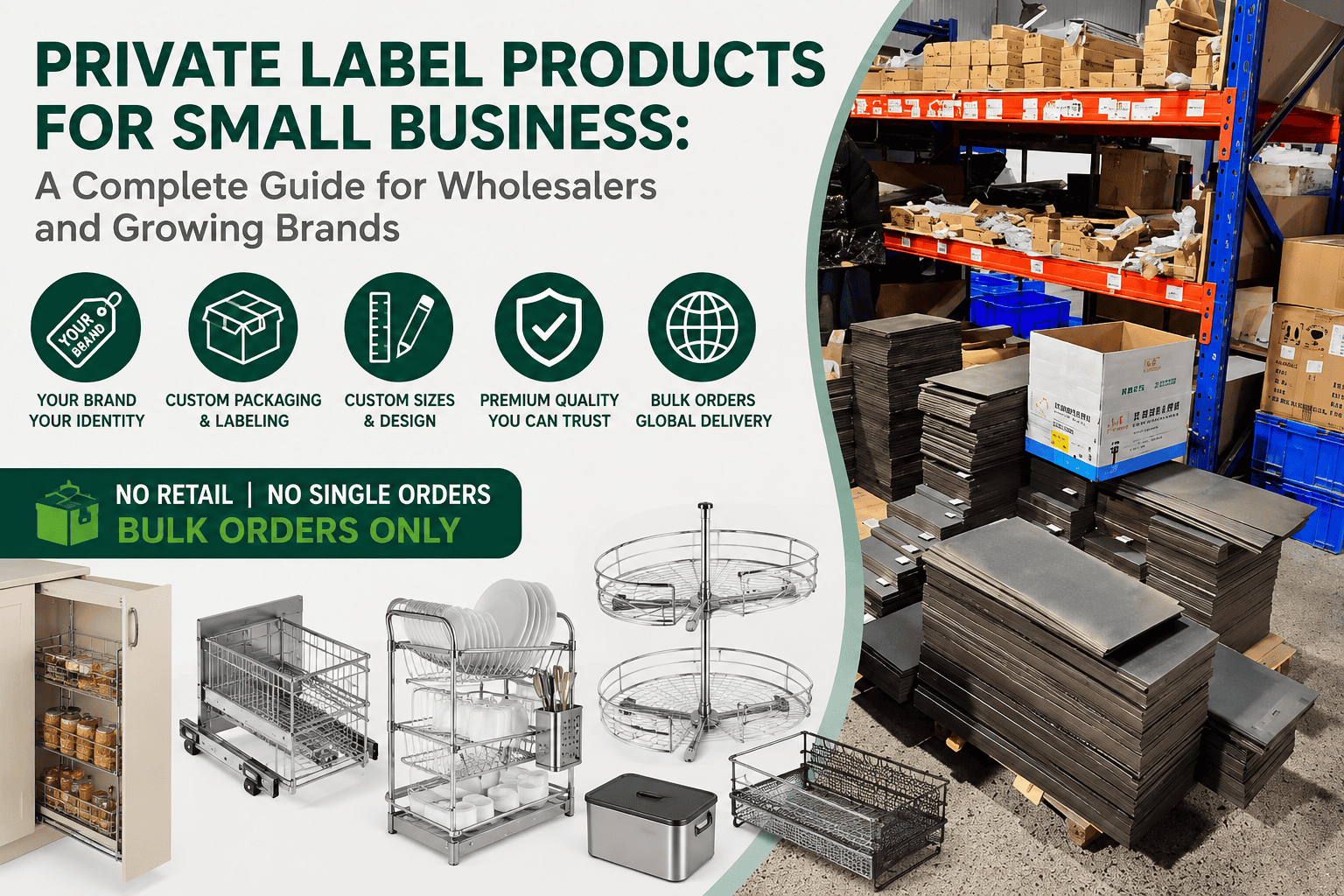
Private Label Products for Small Business

Private Label Products for Small Business

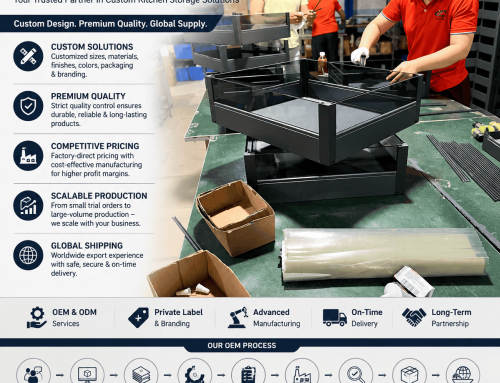
Starting a small business does not always mean creating products from scratch. For many entrepreneurs, wholesalers, distributors, and growing brands, private label products for small business provide a practical way to build a unique product line without owning a factory or investing heavily in manufacturing equipment.

Private labeling allows a business to purchase products from an experienced manufacturer, add its own branding and packaging, and sell those products under its own brand name. This approach can help small businesses develop a professional product range while focusing their resources on sales, marketing, distribution, and customer relationships.

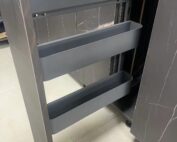
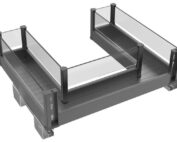
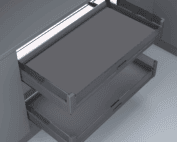
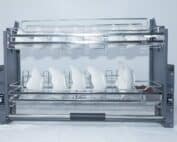
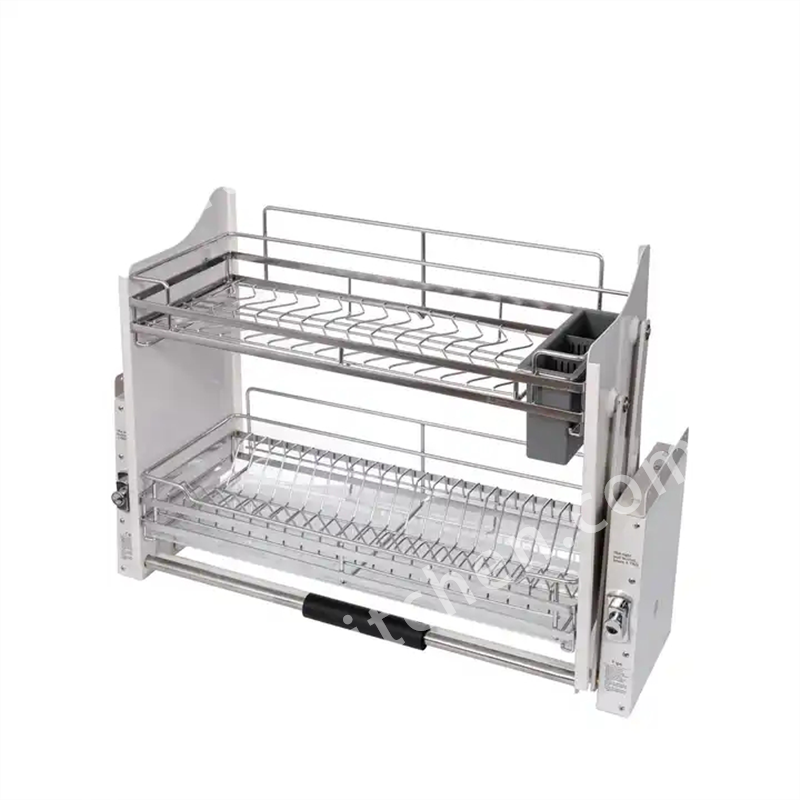
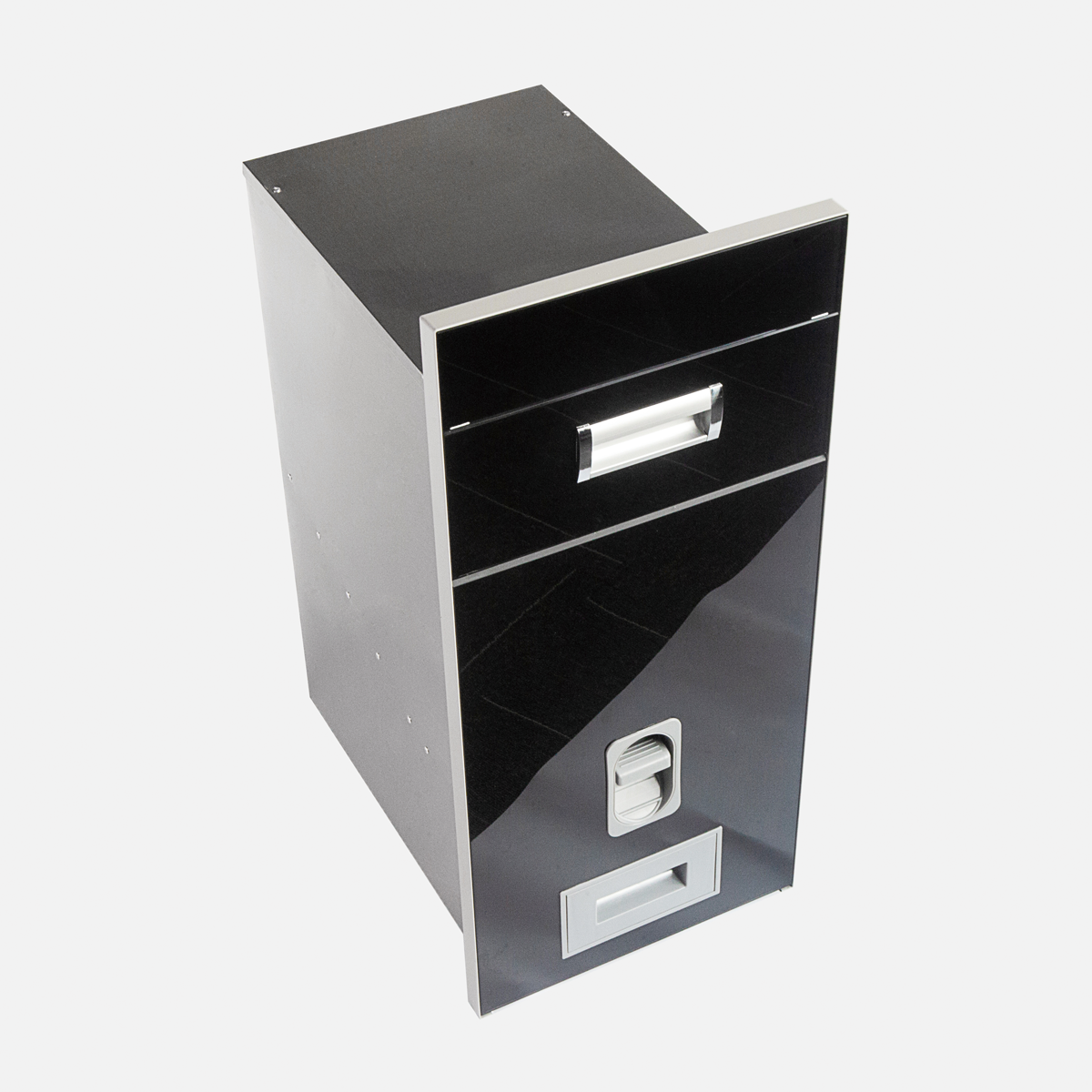
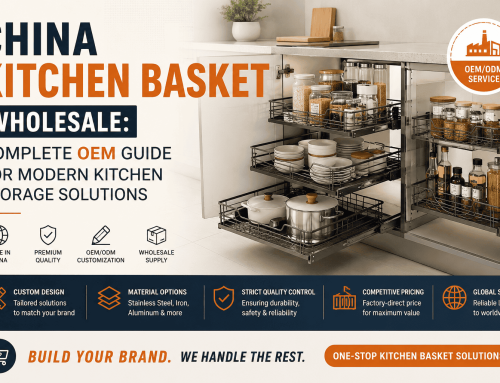
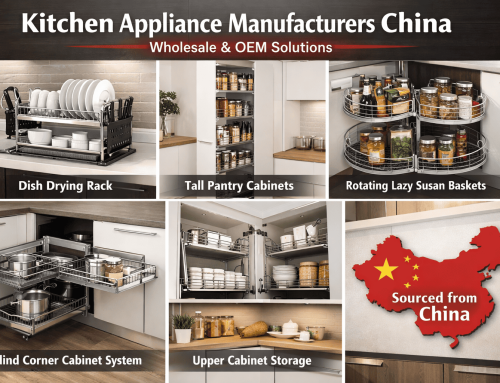
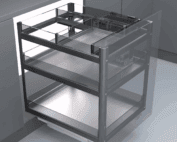
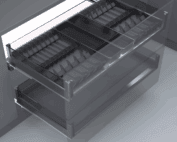
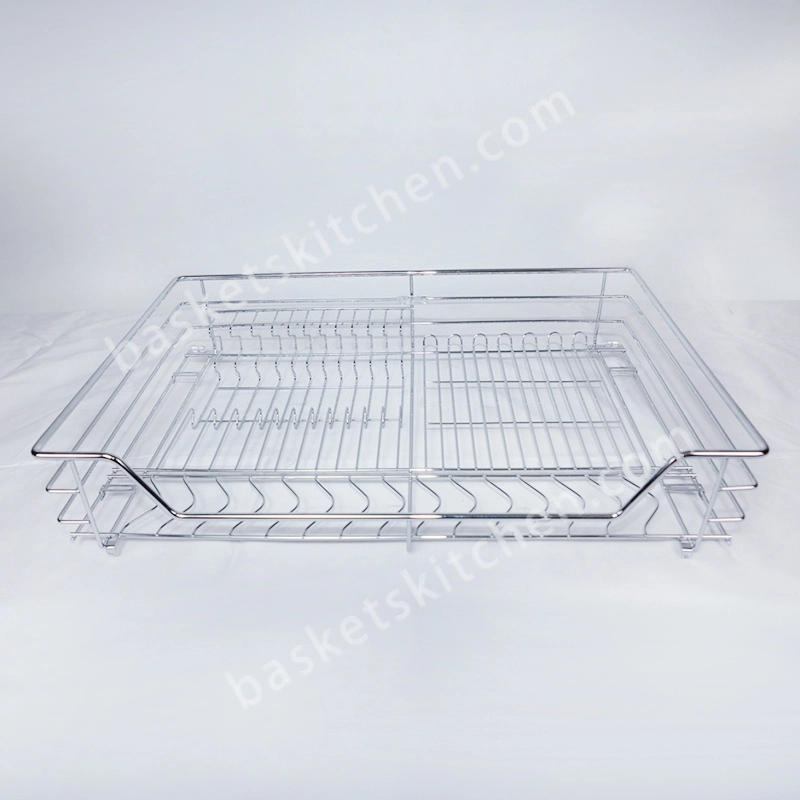
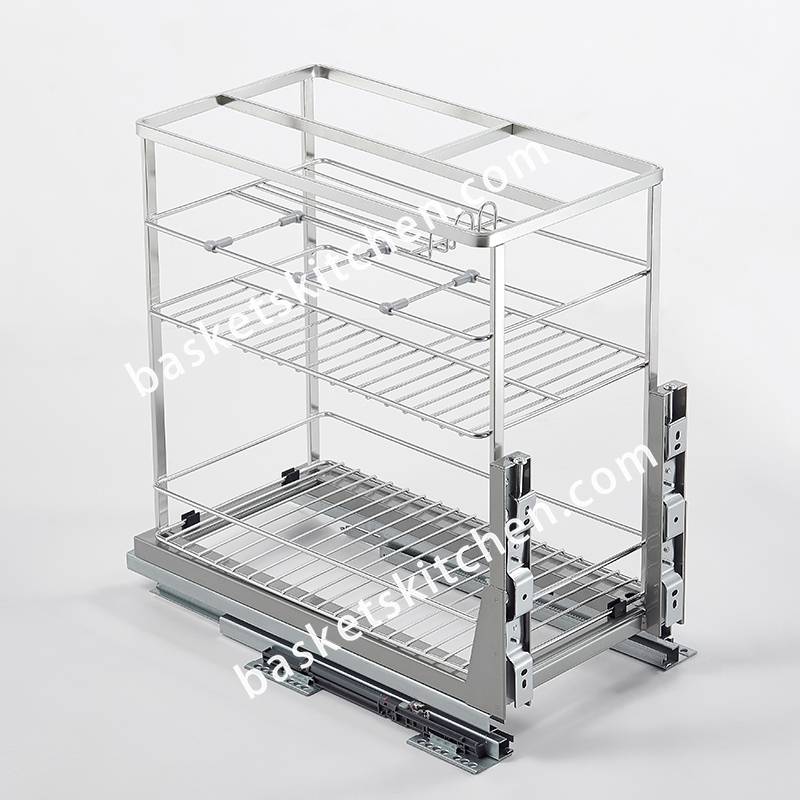
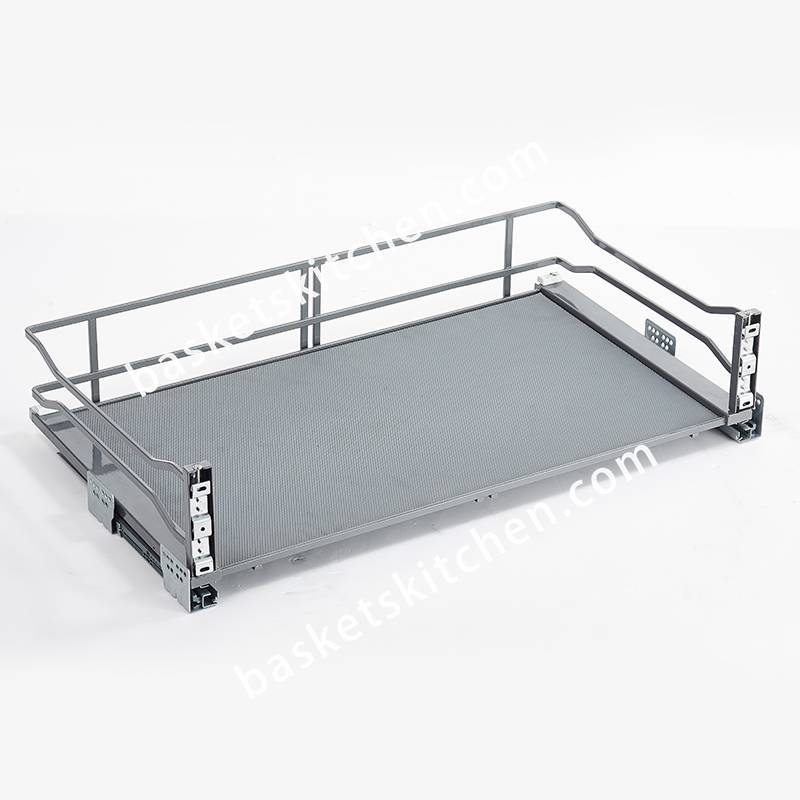
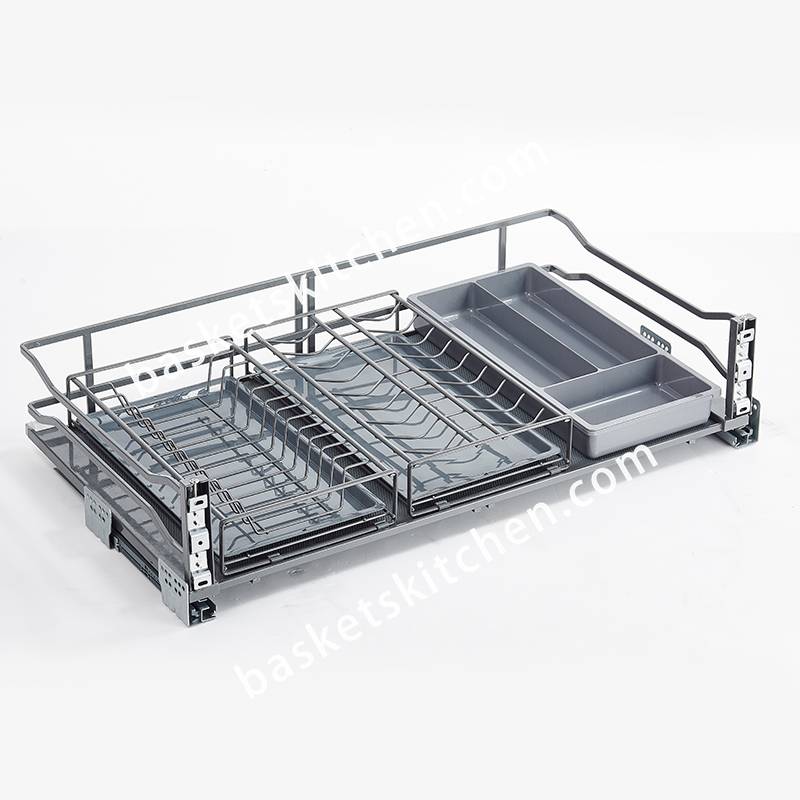
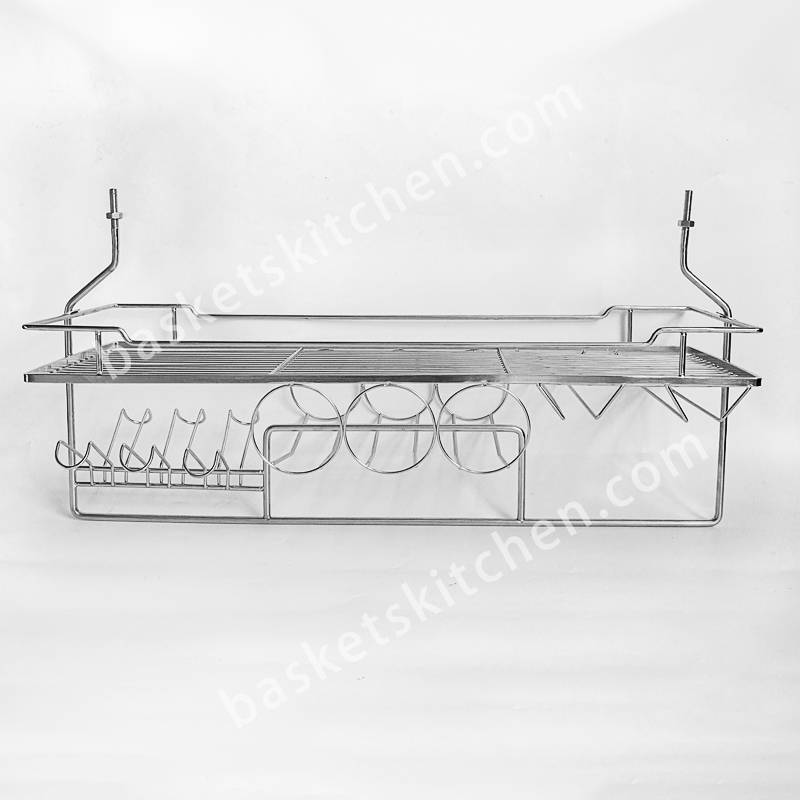
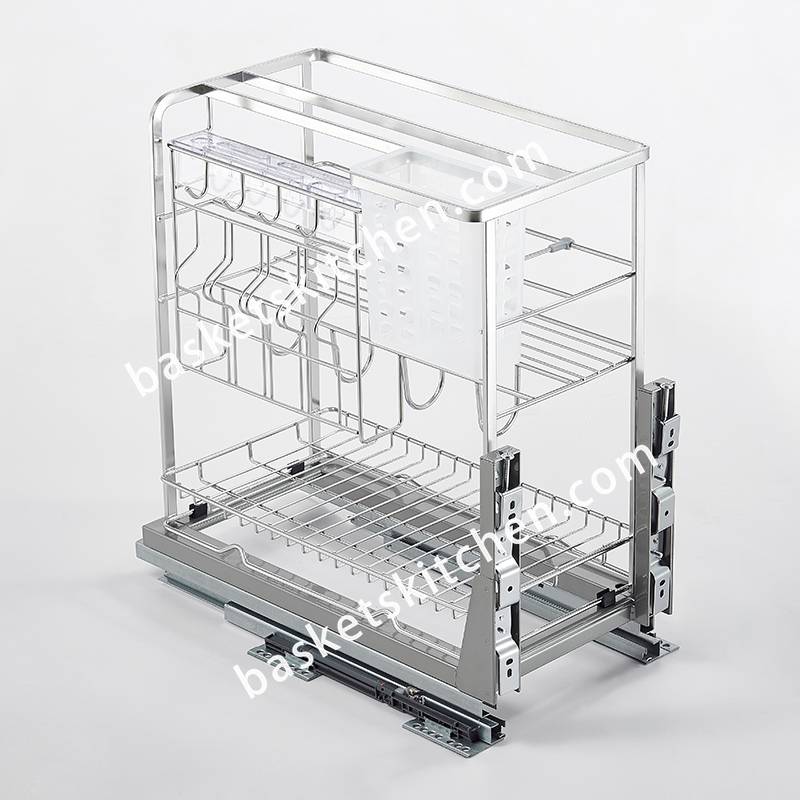
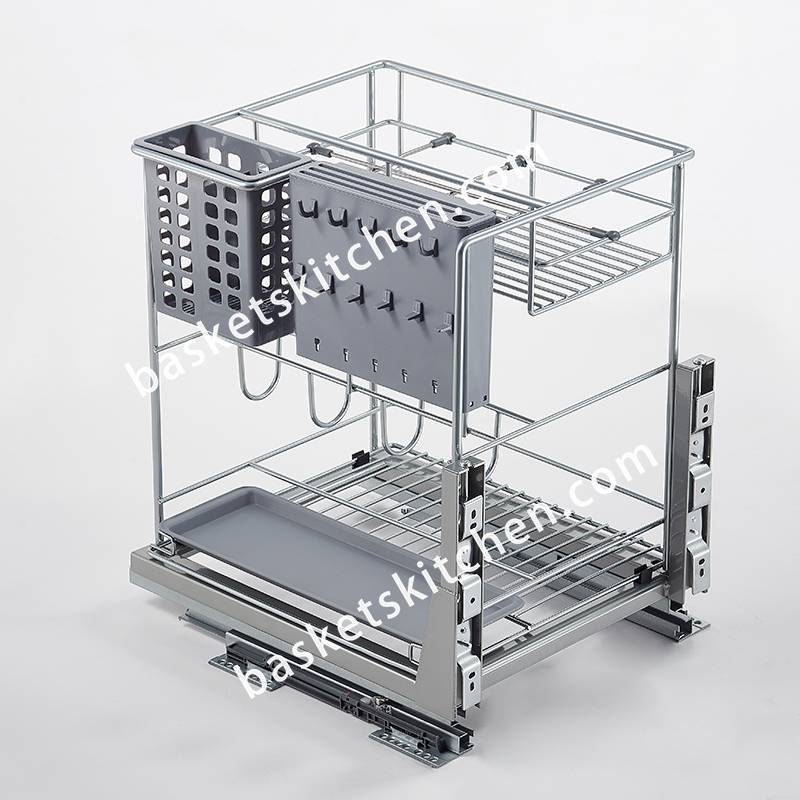
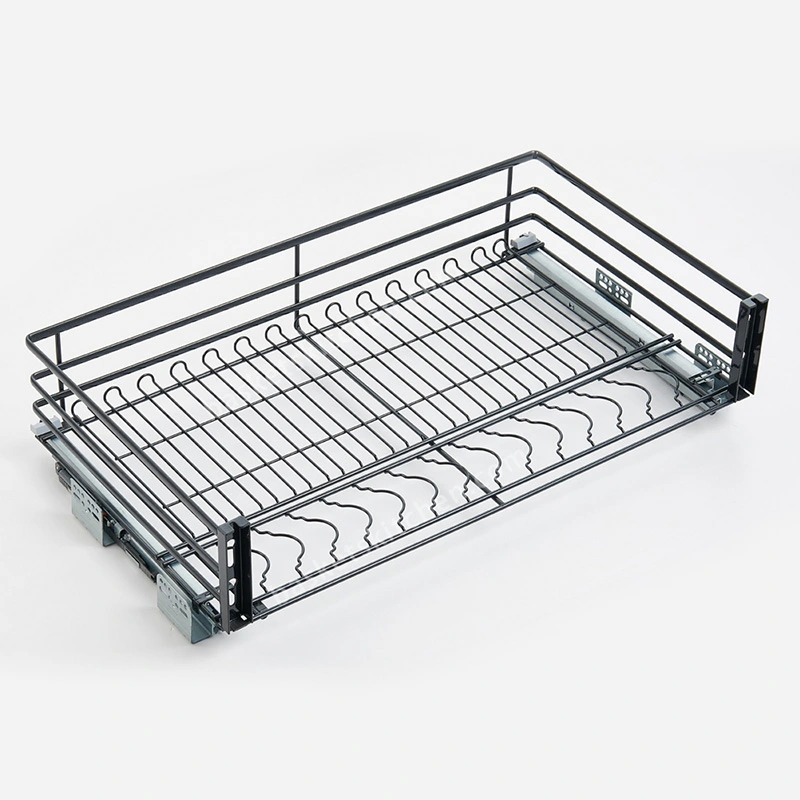
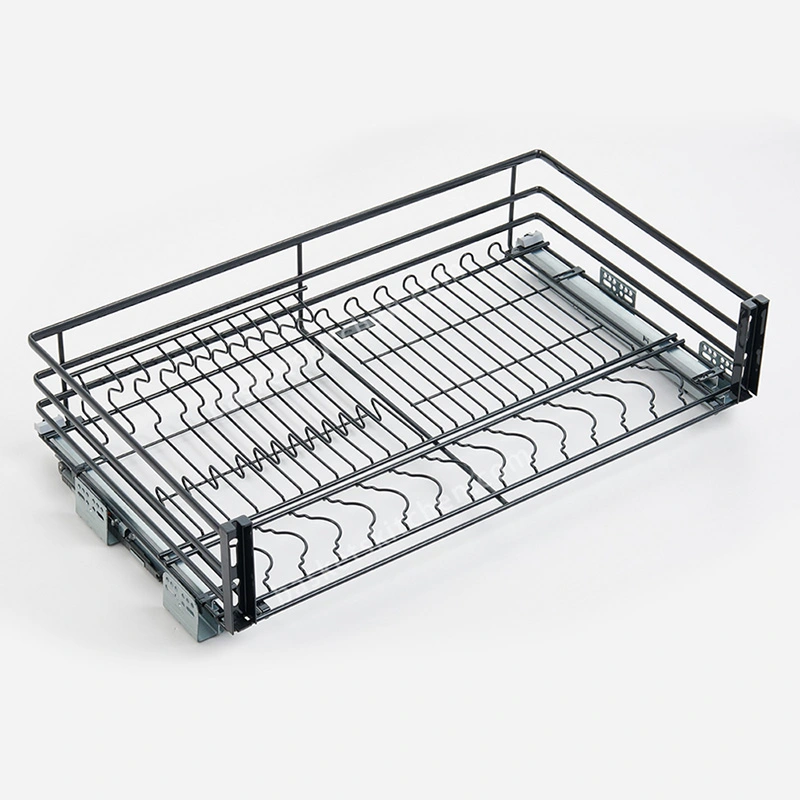
For businesses entering the kitchen storage and kitchen hardware market, products such as kitchen baskets, cabinet organizers, pull-out storage systems, pantry organizers, spice racks, and other custom kitchen accessories can be suitable private label opportunities.

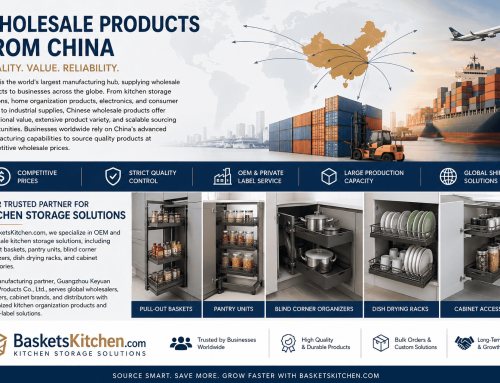
Baskets Kitchen provides OEM, ODM, and private label manufacturing solutions for kitchen baskets and cabinet storage accessories. Small businesses, wholesalers, distributors, importers, and kitchen brands can explore the company’s manufacturing solutions at Baskets Kitchen.

This guide explains how private label products work, why they can be valuable for small businesses, which kitchen products can be private labeled, how customization works, and how to choose a reliable manufacturer.

📚 Our Complete Kitchen Private Label Products for Small Business

Explore our full range of OEM kitchen storage accessories and cabinet organization solutions, available for B2B wholesale, bulk orders, OEM & ODM projects.

📦 B2B WHOLESALE ONLY | 🏭 OEM & ODM

🚫 NO RETAIL | 🚫 NO SINGLE ORDERS
What Are Private Label Products?

Private label products are products manufactured by one company and sold under another company’s brand.

The manufacturer handles production, while the business purchasing the products develops the brand, marketing strategy, sales channels, and customer relationships.

For example, a small kitchen hardware company could work with a manufacturer to produce kitchen baskets according to its requirements. The products could then be packaged with the company’s own logo and sold under its brand.

Private label manufacturing can include:

  • Product manufacturing
  • Custom dimensions
  • Custom materials
  • Logo application
  • Product labeling
  • Custom packaging
  • Carton customization
  • Instruction manuals
  • Barcode labeling
  • OEM manufacturing
  • ODM product development

This makes private labeling particularly attractive for small businesses that want to enter a product category without building their own manufacturing operation
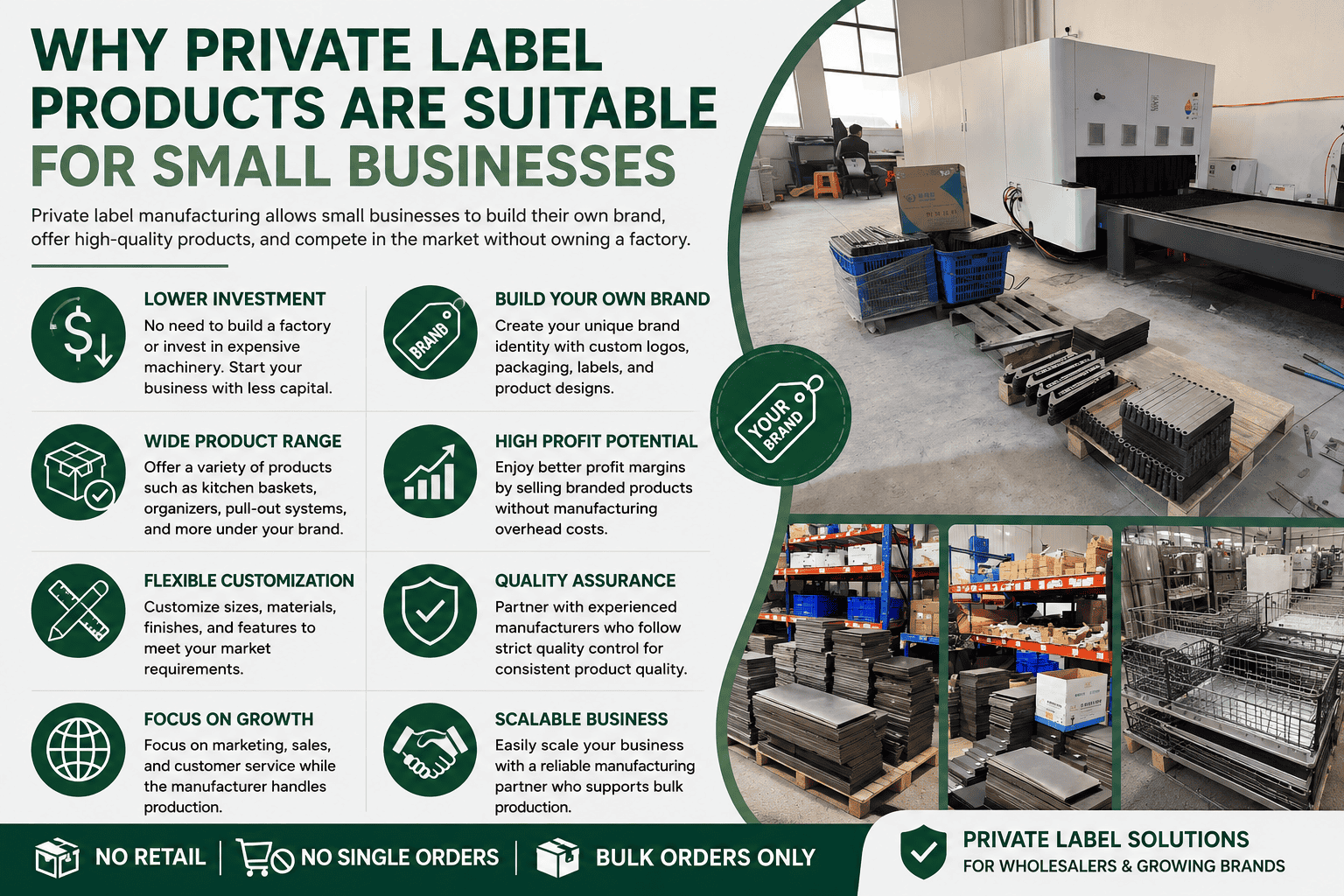
Why Private Label Products Are Suitable for Small Businesses

Why Private Label Products Are Suitable for Small Businesses

Why Private Label Products Are Suitable for Small Businesses

Small businesses often face several challenges when developing physical products.

Building a factory requires substantial investment in:

  • Machinery
  • Production facilities
  • Raw materials
  • Engineering
  • Employees
  • Quality-control systems
  • Packaging
  • Warehousing

Private label manufacturing allows businesses to outsource much of this production infrastructure.

Instead, the business can concentrate on building its brand and selling products.

Lower Manufacturing Investment

A small business does not necessarily need to purchase production equipment or establish a factory.

Faster Product Development

Working with an existing manufacturer can reduce the time required to bring products to market.

Brand Ownership

Products can be sold under the business’s own brand rather than another supplier’s name.

Product Customization

Private label products can often be customized to suit the company’s target customers.

Scalable Business Model

As demand increases, the business can expand its product range and order quantities.

Best Private Label Products for Small Business

There are thousands of products that can potentially be private labeled. However, small businesses should focus on products that have a clear customer need and can be differentiated through quality, design, packaging, or branding.

For kitchen-related businesses, several product categories can provide opportunities.

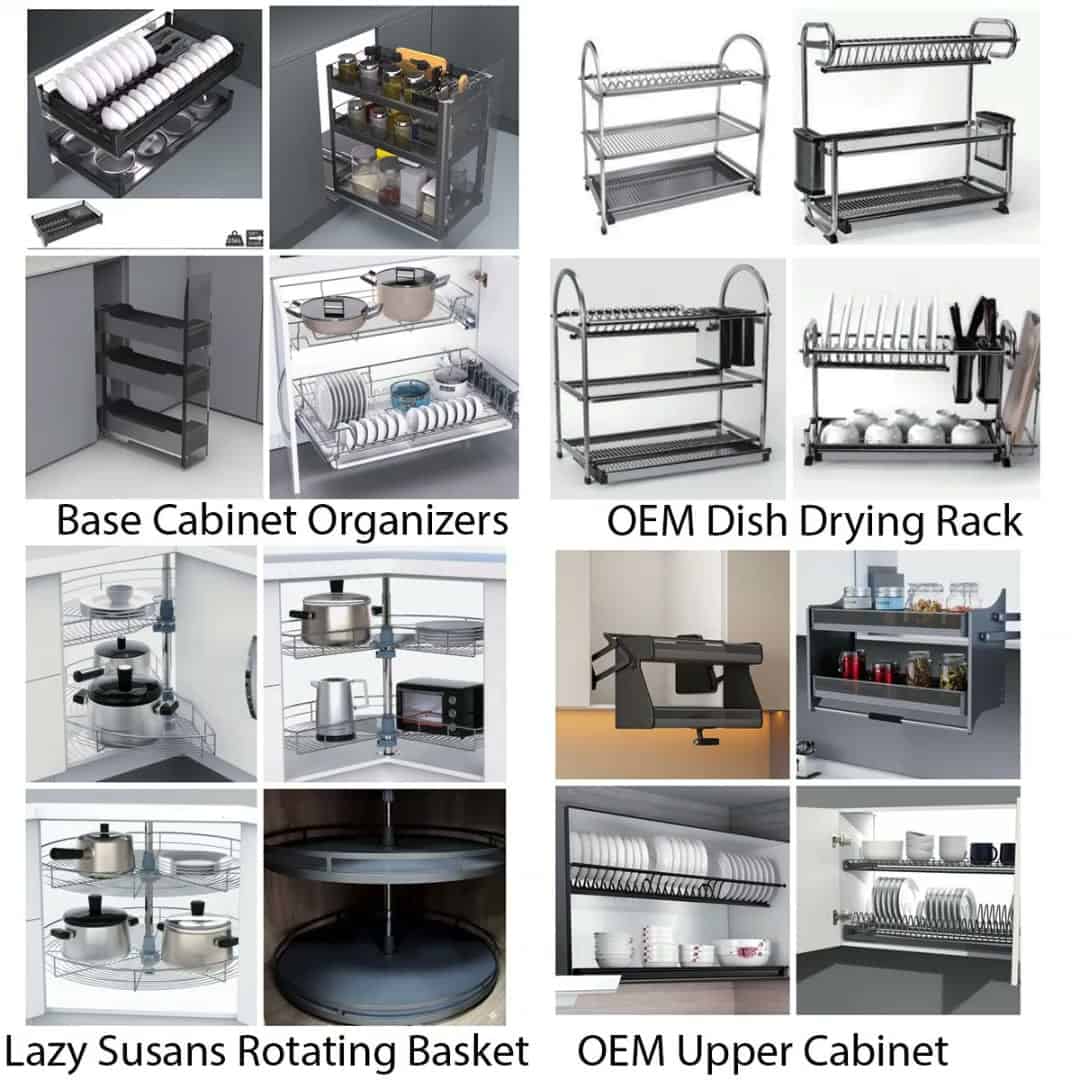
Kitchen Basket Organizers

Kitchen baskets are practical storage products designed to improve cabinet organization.

Popular types include:

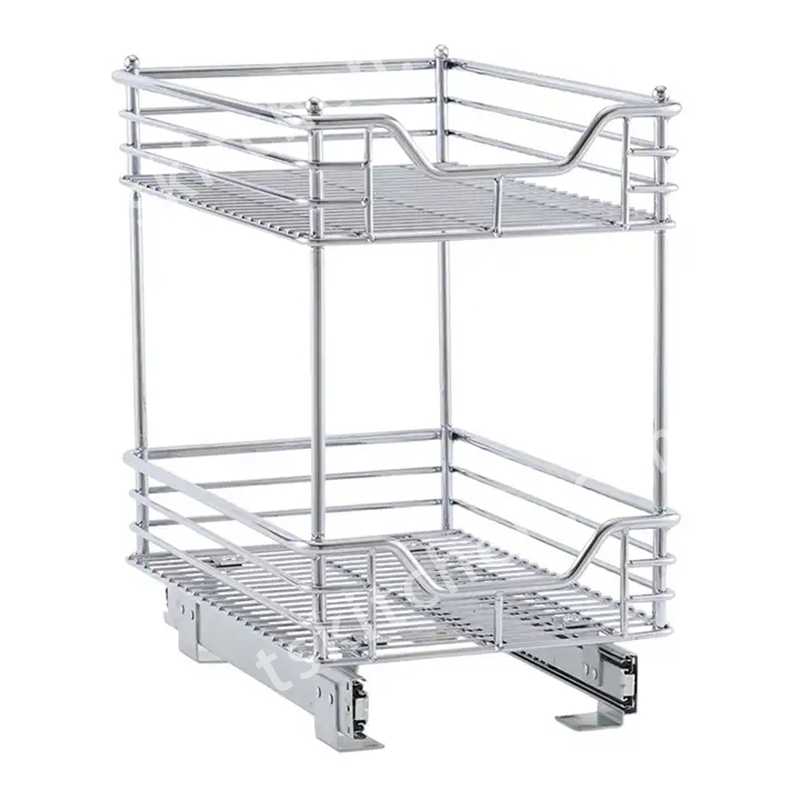
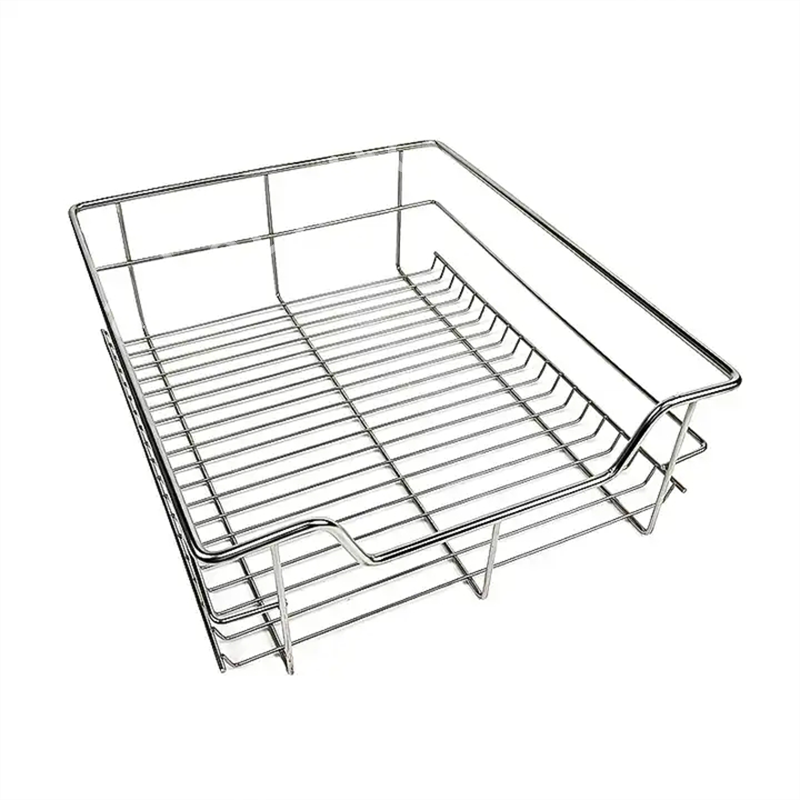
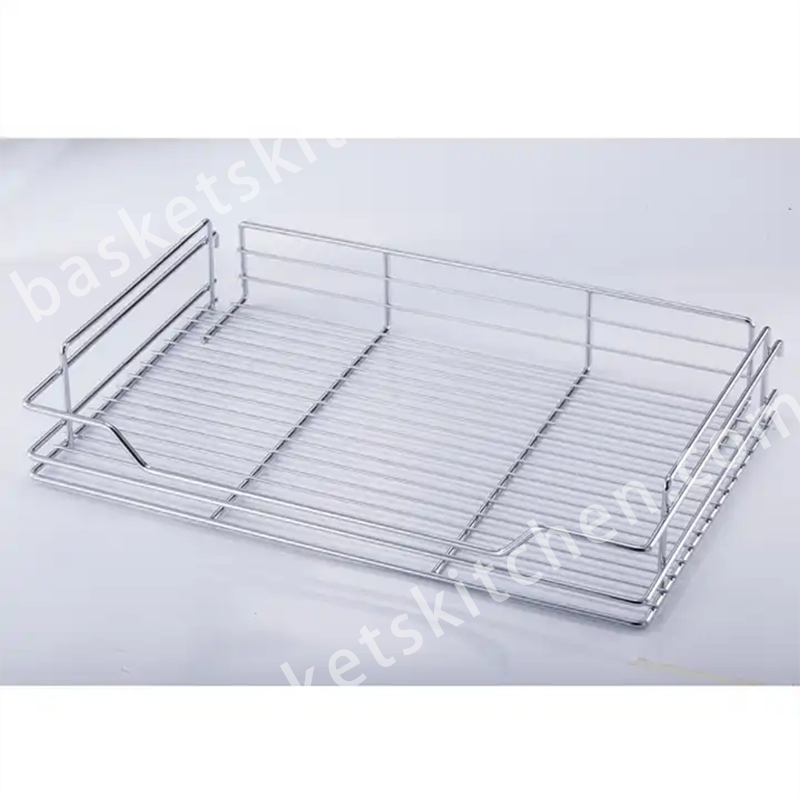
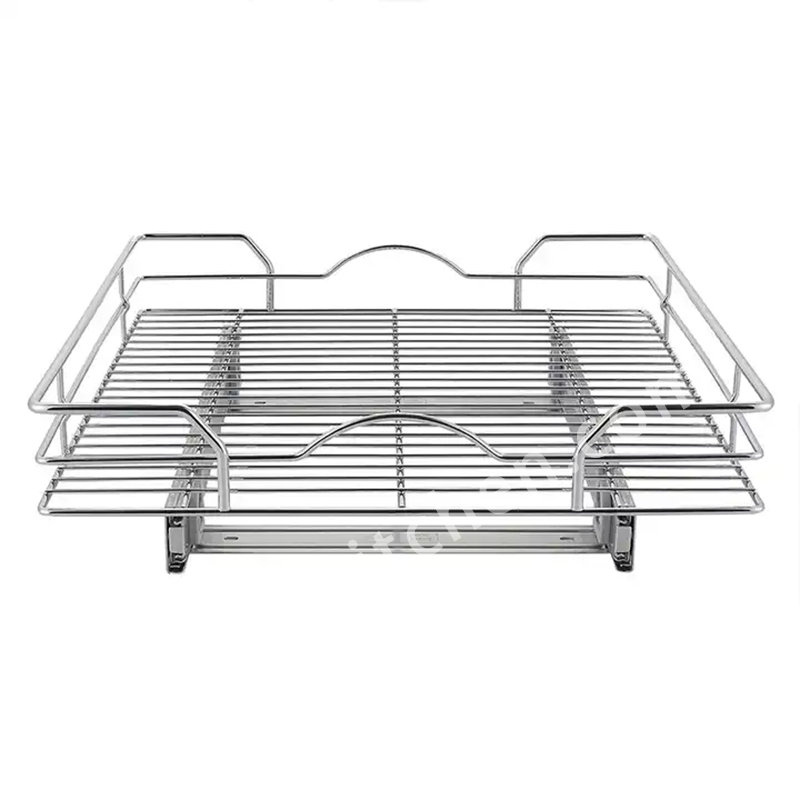
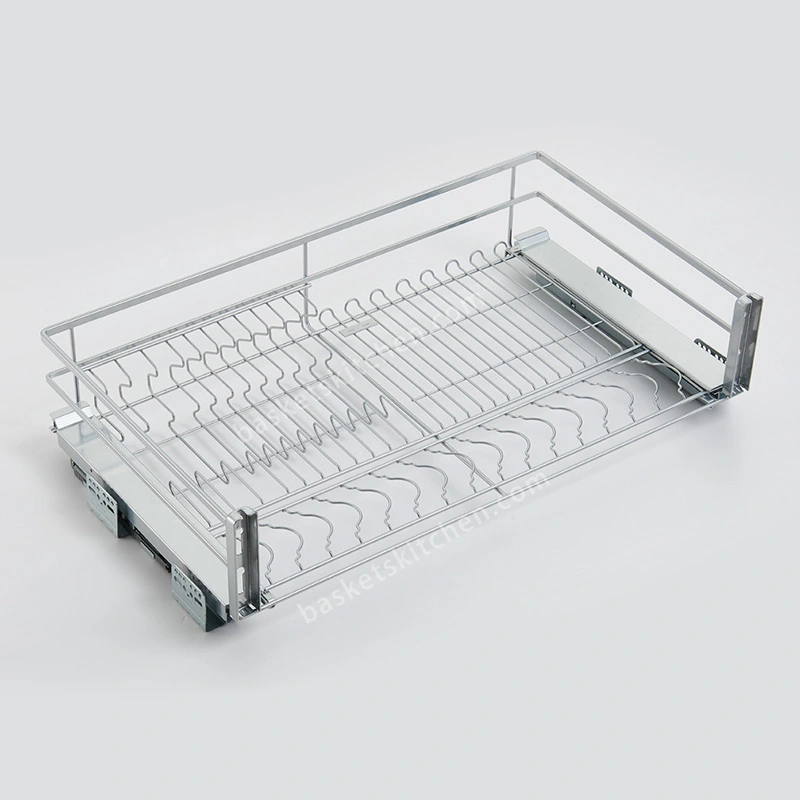
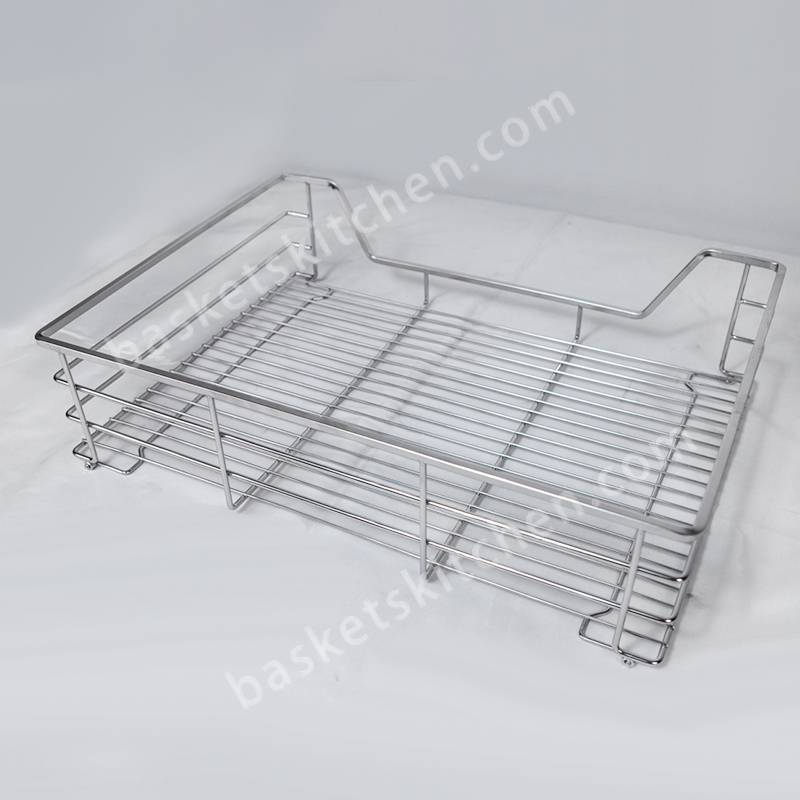
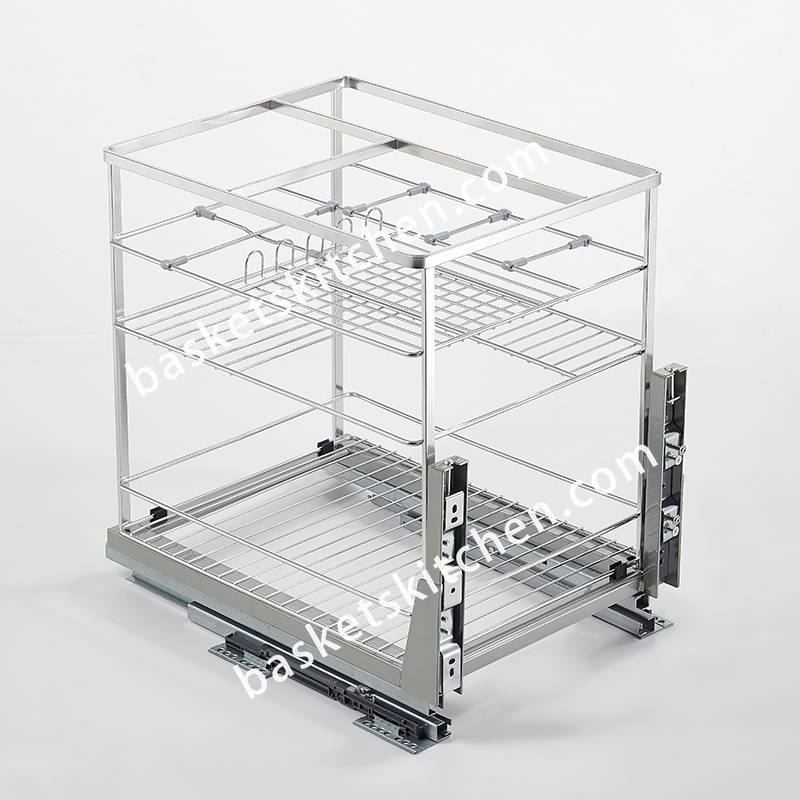
  • Pull-out kitchen baskets
  • Base cabinet baskets
  • Pantry baskets
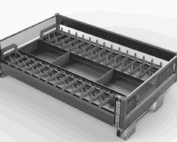
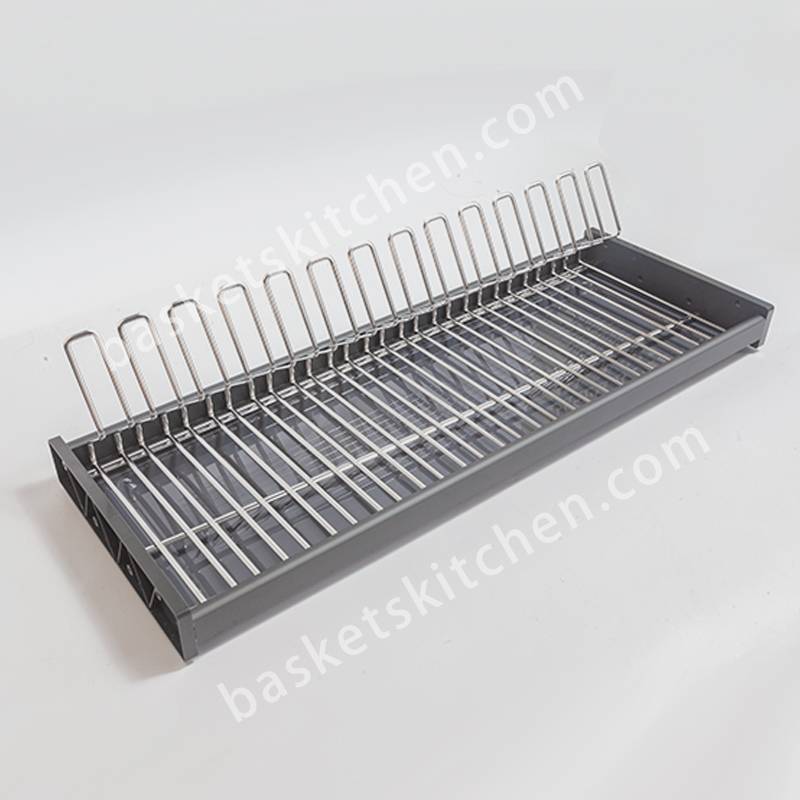
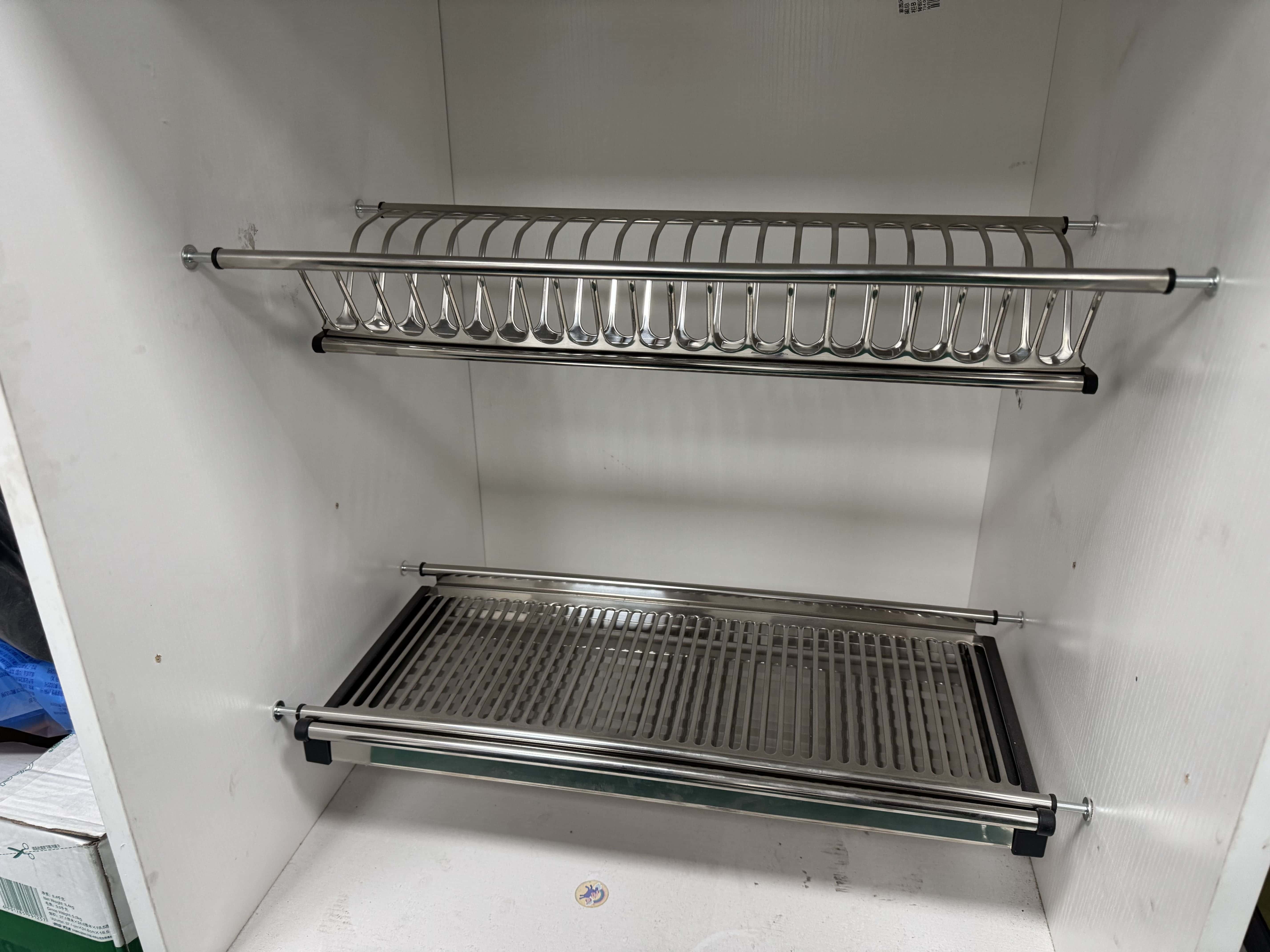
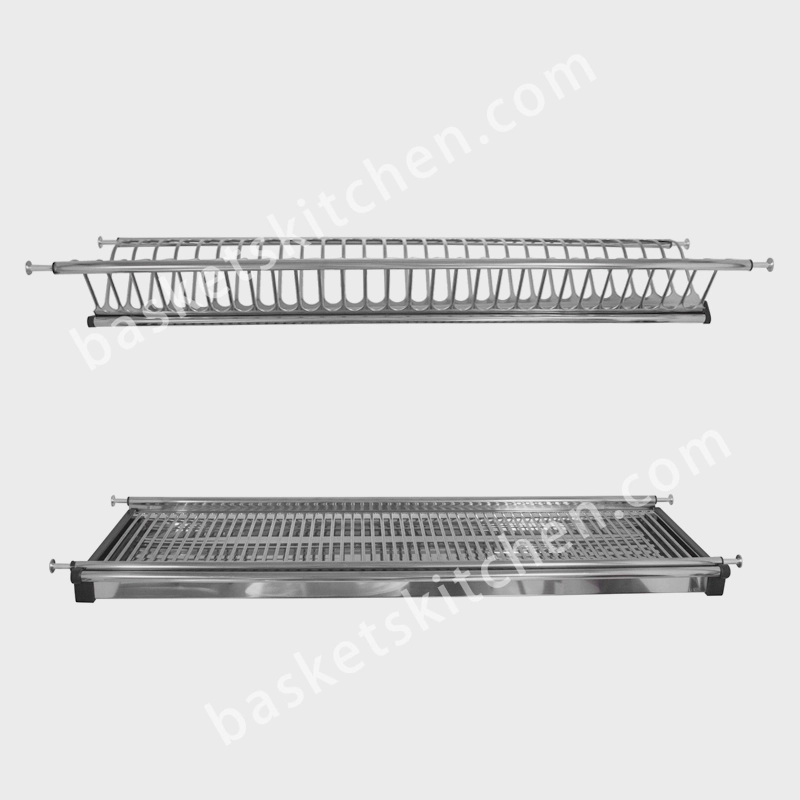
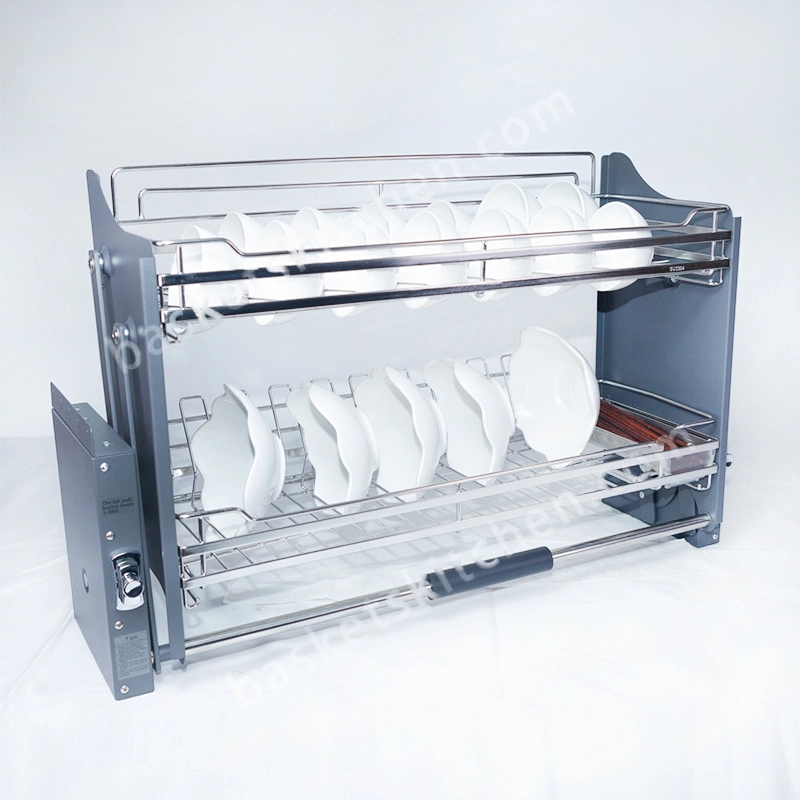
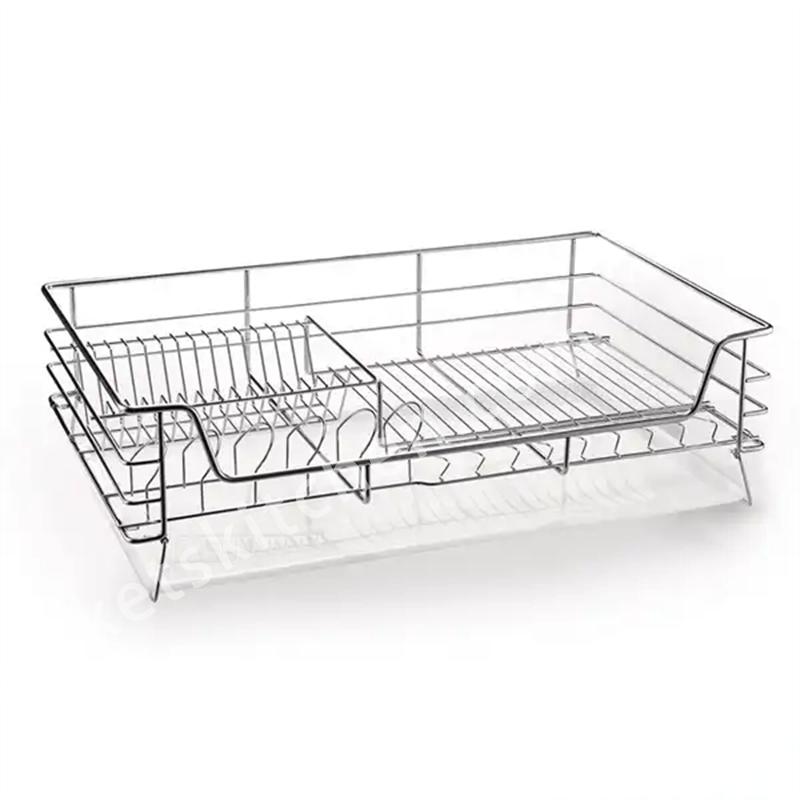
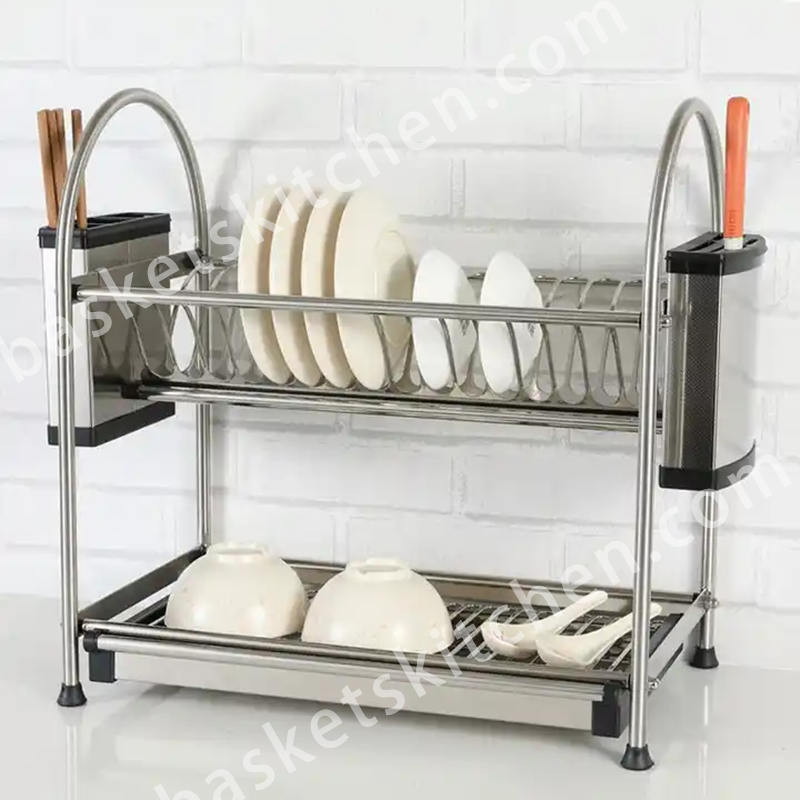
  • Dish baskets
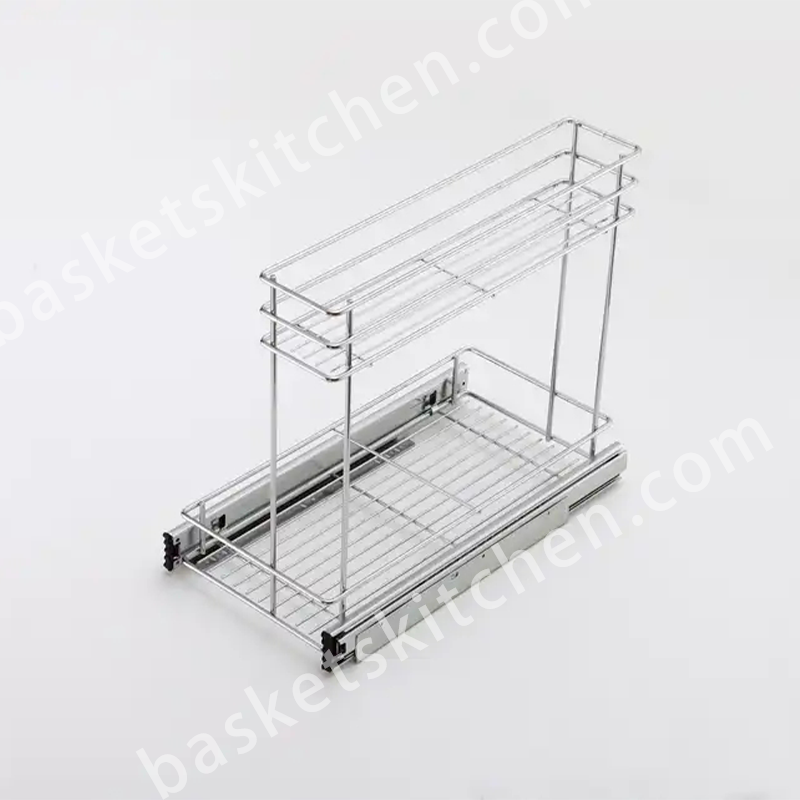
  • Spice baskets
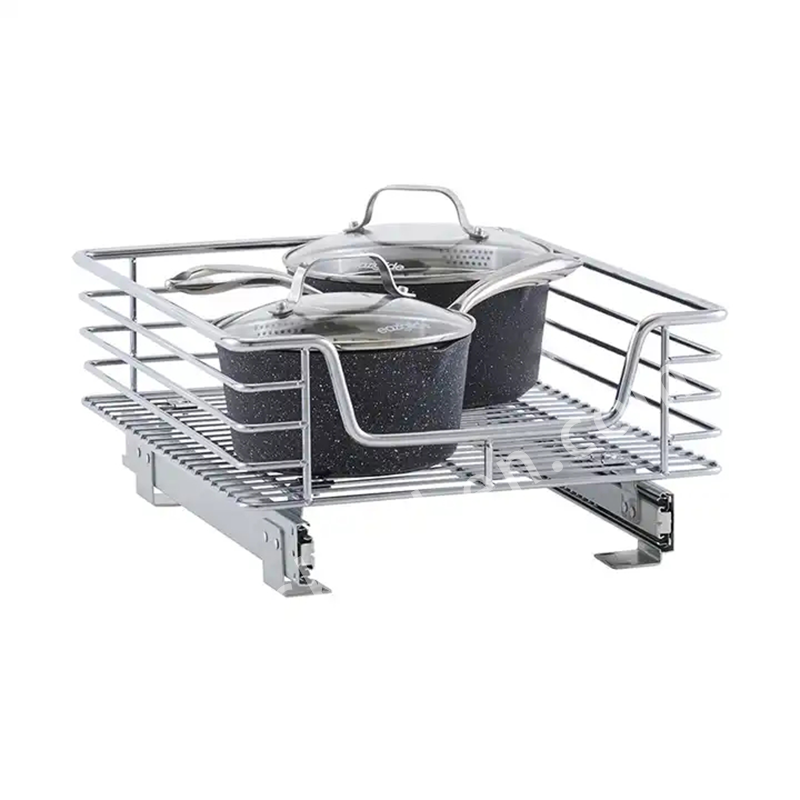
  • Pot and pan baskets
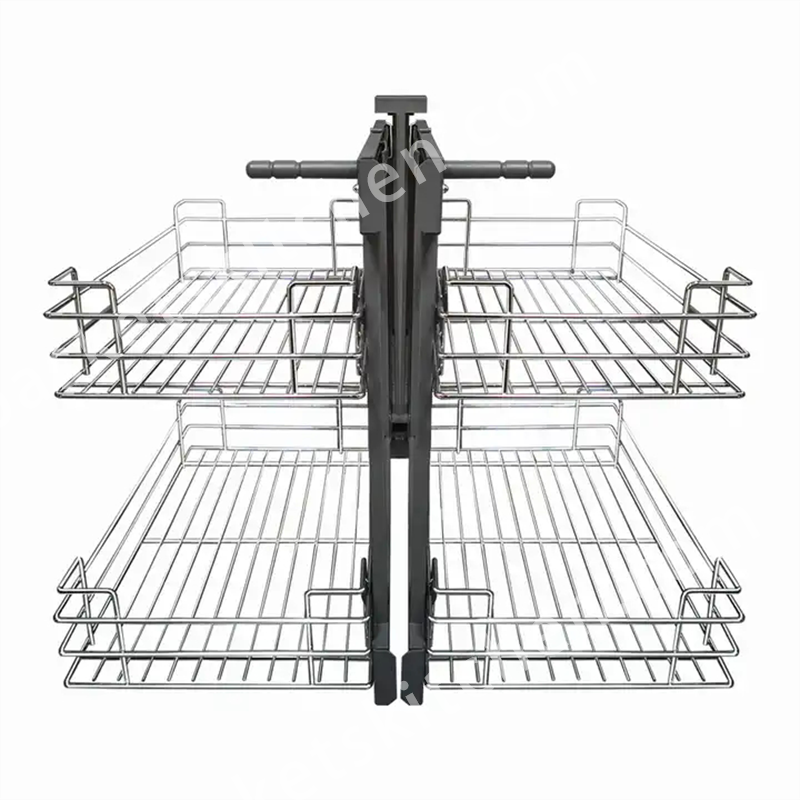
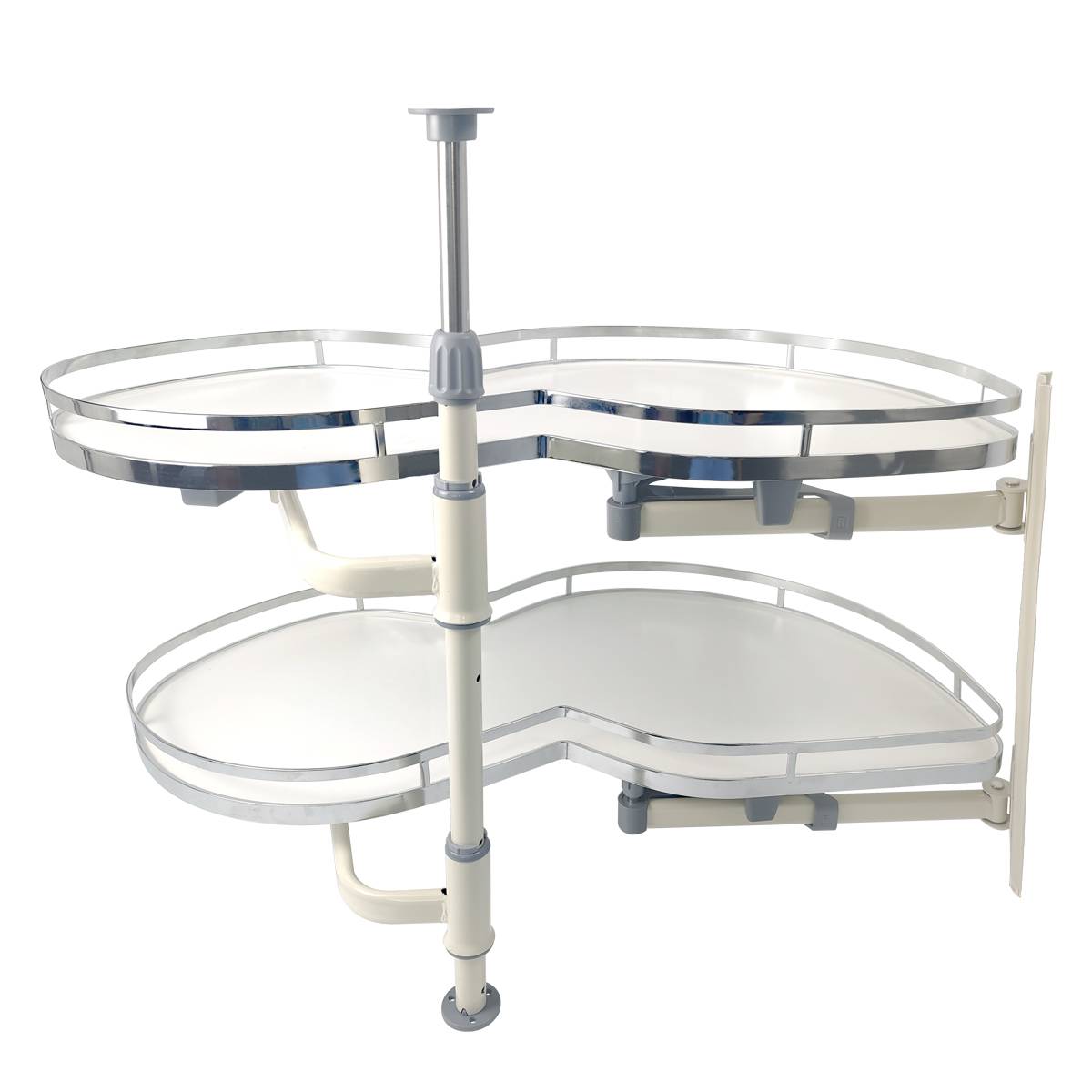
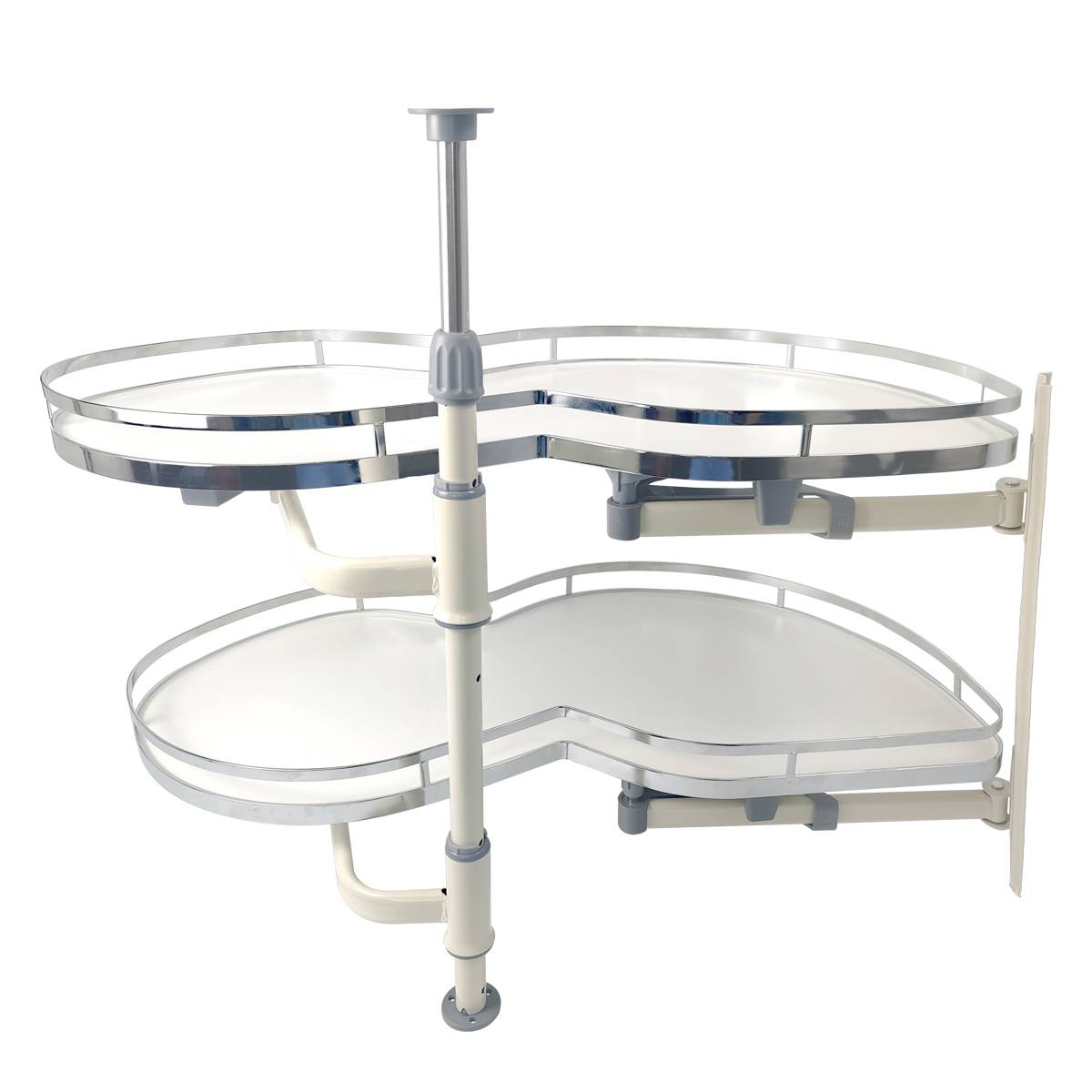
  • Corner storage baskets
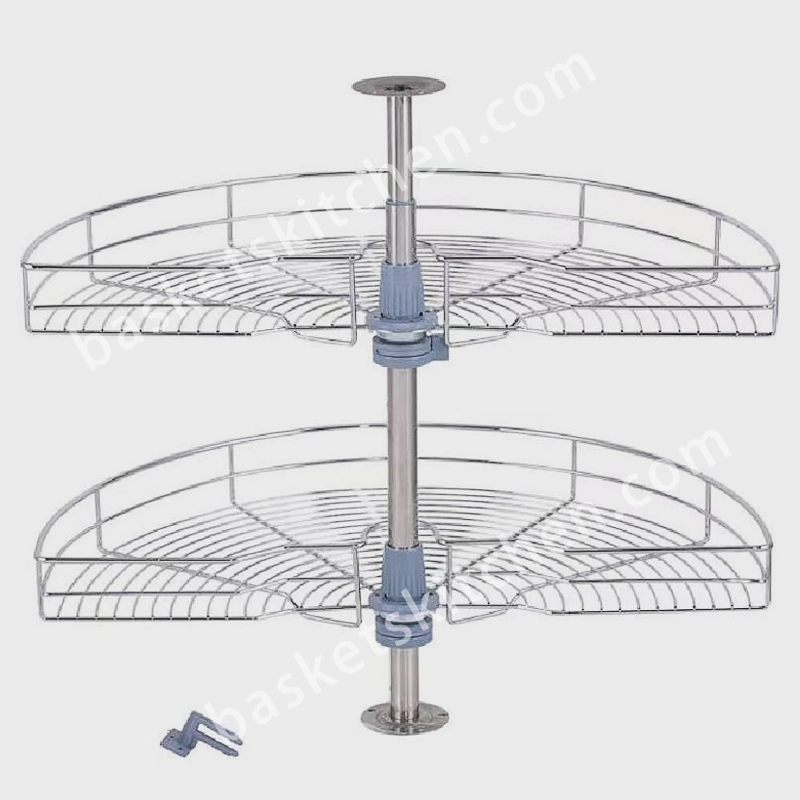
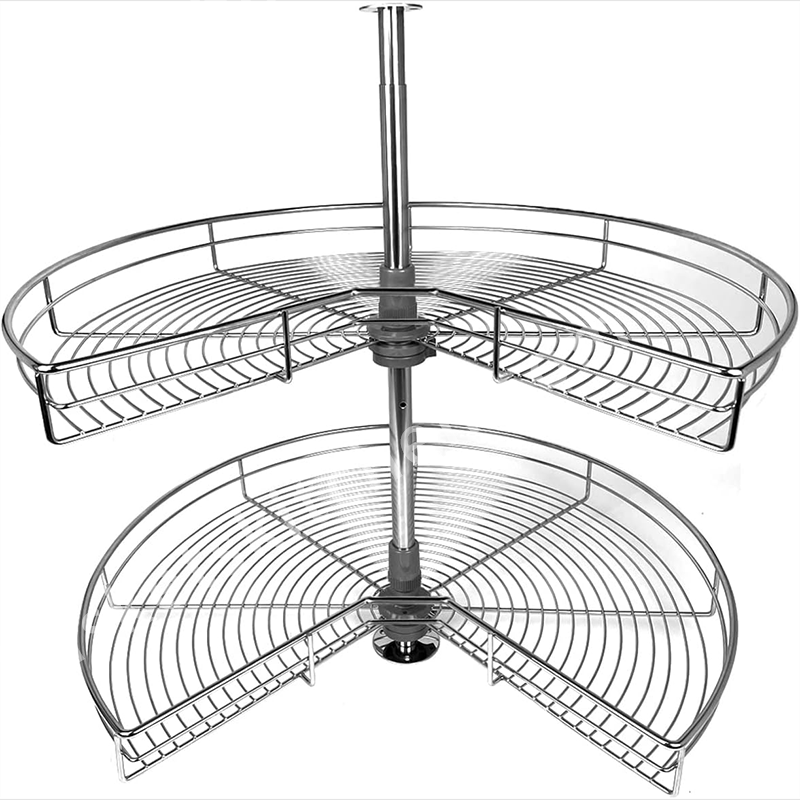
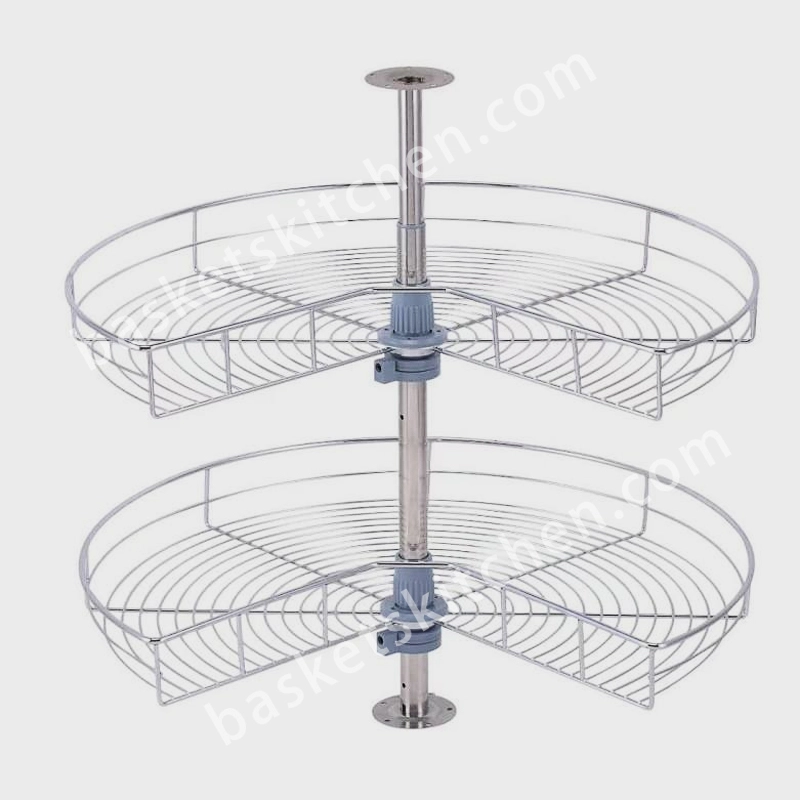
  • Rotating baskets

These products can be offered in different sizes, materials, wire styles, and finishes.

Pull-Out Cabinet Organizers

Pull-out organizers make cabinet contents easier to access.

They are particularly useful for narrow cabinets, base cabinets, pantry units, and other storage areas.

Small kitchen brands can develop a private label range around different cabinet applications.

Spice Rack Organizers

Spice organizers are compact products that can be added to a broader kitchen organization catalog.

They may be suitable for businesses looking to start with a smaller product range before expanding into larger storage systems.

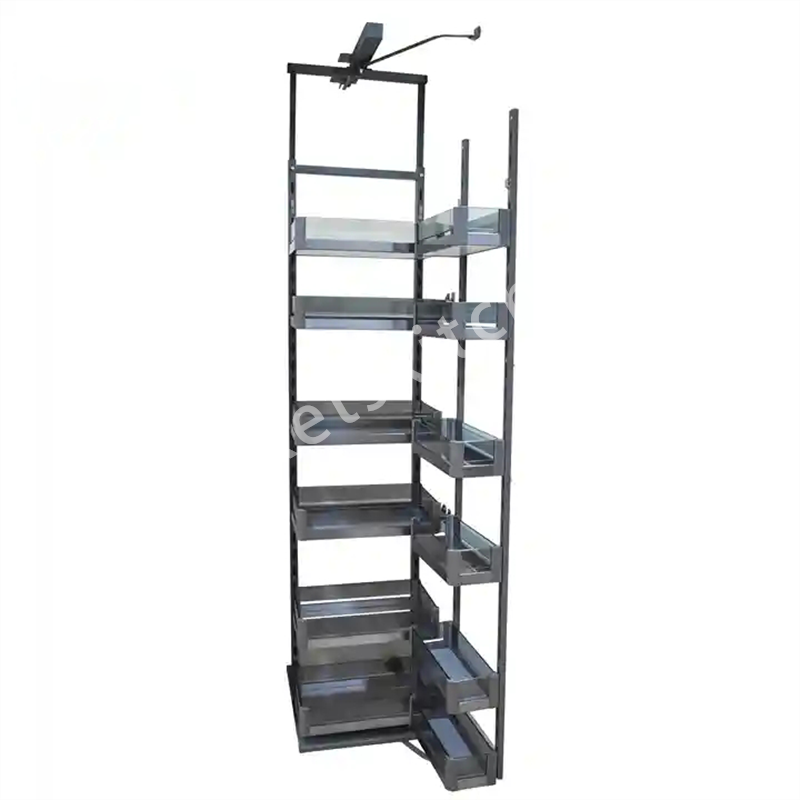
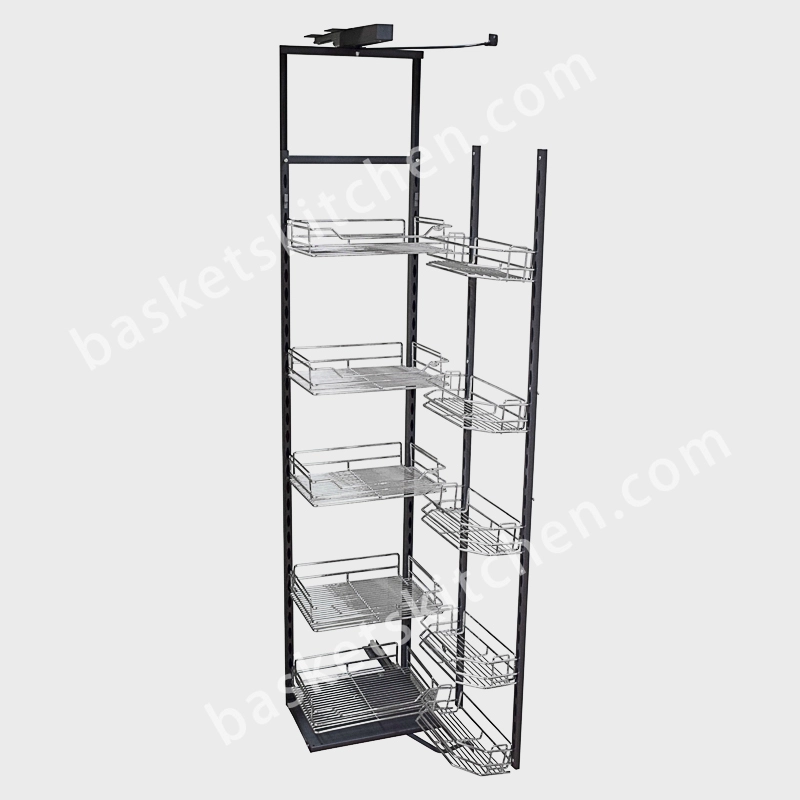
Pantry Storage Systems

Tall pantry storage products can provide a higher-value addition to a kitchen hardware catalog.

Different configurations can be developed for different cabinet dimensions and markets.

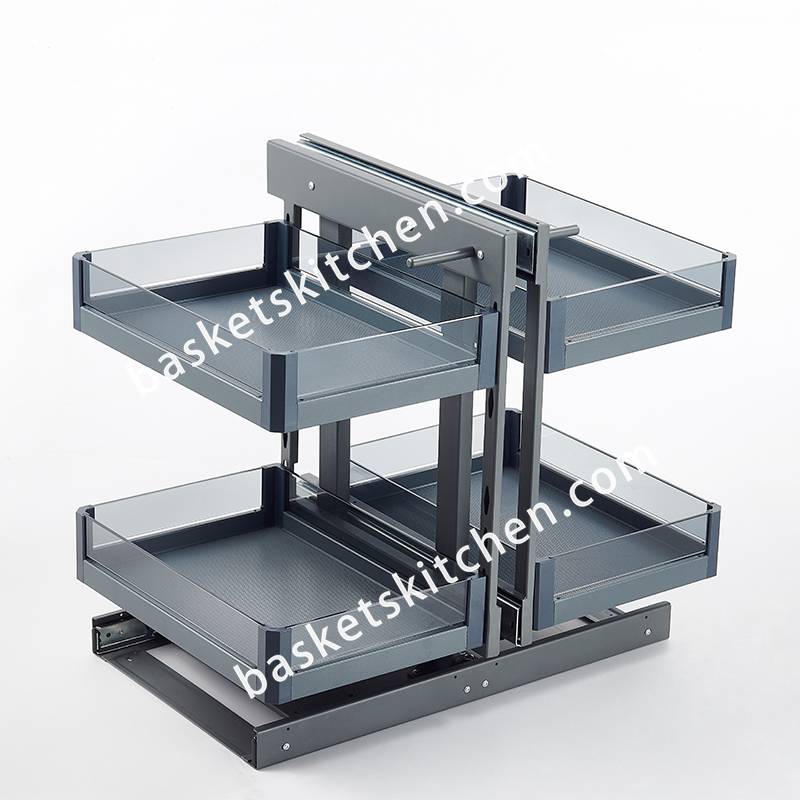
Blind Corner Organizers

Corner cabinet storage systems can help homeowners use difficult-to-access spaces more efficiently.

Private label businesses can offer different configurations based on their target market.


OEM vs. Private Label: What Is the Difference?

Private labeling and OEM manufacturing are closely related but are not exactly the same.

Private Label

The manufacturer produces a product that the buyer sells under its own brand.

The buyer may select an existing product and customize branding and packaging.

OEM

The manufacturer produces a product according to the buyer’s specifications.

The buyer may request specific dimensions, materials, designs, finishes, or technical requirements.

ODM

The manufacturer contributes design and product-development capabilities.

A buyer may select an existing design and request modifications or work with the manufacturer to develop a new product.

For a small business, these models can be used together.

For example, a company could begin with existing kitchen basket designs under a private label arrangement and later develop fully customized OEM products as its business grows.


How to Create Your Own Private Label Kitchen Product

Launching a private label product does not need to be complicated, but careful planning is important.

Step 1: Choose Your Product Category

Start with a specific product category rather than trying to sell everything.

For example, a kitchen brand might begin with:

Kitchen cabinet organizers → Pull-out baskets → Pantry organizers → Corner storage systems

This creates a logical product range.

Step 2: Research Your Target Market

Understand what your customers need.

Consider:

  • Cabinet sizes
  • Product preferences
  • Material expectations
  • Price positioning
  • Packaging requirements
  • Installation requirements
  • Popular product configurations

Step 3: Find a Suitable Manufacturer

Look for a manufacturer with experience producing the specific products you want to sell.

A specialized manufacturer is often better positioned to provide technical guidance and consistent production.

Step 4: Request Samples

Before committing to large production quantities, evaluate samples.

Check:

  • Material
  • Dimensions
  • Welding
  • Surface finish
  • Assembly
  • Functionality
  • Packaging

Step 5: Finalize Customization

Once the product is approved, confirm all specifications.

These may include:

  • Logo
  • Dimensions
  • Material
  • Finish
  • Packaging
  • Labels
  • Cartons
  • Quantity

Step 6: Begin Bulk Production

After specifications and samples are approved, the manufacturer can begin production.

Step 7: Quality Control

Products should be inspected according to agreed specifications before shipment.

Step 8: Build Your Brand

Once the products arrive, focus on marketing, distribution, customer service, and expanding your product line.


How Much Does Private Label Manufacturing Cost?

The cost of private label products varies considerably depending on the product and manufacturing requirements.

Important factors include:

  • Product design
  • Materials
  • Product dimensions
  • Order quantity
  • Surface finishing
  • Packaging
  • Branding
  • Tooling requirements
  • Shipping
  • Quality requirements

Small businesses should not evaluate suppliers based only on the lowest unit price.

A slightly higher manufacturing price may be worthwhile if it provides better materials, quality control, packaging, consistency, and long-term reliability.

The objective should be to achieve the right combination of quality, cost, customization, and supply reliability.


Private Label Packaging for Small Businesses

Packaging is one of the most important parts of private labeling.

A product with professional packaging can create a stronger brand impression than a generic product.

Private label packaging can include:

  • Custom product boxes
  • Printed cartons
  • Brand logos
  • Product labels
  • Barcodes
  • Instruction manuals
  • Installation instructions
  • Product specifications

For small businesses, consistent packaging across several products can help create a professional and recognizable brand identity.


Materials for Private Label Kitchen Products

For kitchen cabinet accessories, material selection is an important part of product development.

Common materials include:

304 Stainless Steel

Often selected for products requiring a durable stainless-steel construction and premium positioning.

201 Stainless Steel

Can be used for various kitchen hardware applications depending on product requirements and market positioning.

Aluminum Alloy

Provides a lightweight option for selected kitchen storage products.

Iron Wire

Commonly used for wire basket construction and can be formed into different configurations.

Tempered Glass

Can be incorporated into certain premium kitchen storage products.

The appropriate material should be selected based on the product application, specifications, target market, and desired price point.


Private Label Customization Options

One of the major advantages of working with a manufacturer is the ability to customize products.

Custom Sizes

Products can be developed for specific cabinet dimensions.

Custom Finishes

Different finishes can be selected to create a specific appearance and market position.

Custom Wire Styles

Kitchen baskets can use:

  • Flat wire
  • Square wire
  • Round wire
  • Oval wire

Custom Branding

Your company logo can be incorporated into products or packaging.

Custom Packaging

Boxes, cartons, labels, and instruction manuals can be designed around your brand.

Custom Product Configurations

Existing products can potentially be modified to suit specific customer requirements.


Benefits of Private Label Products for Small Businesses

Private label manufacturing can provide several long-term advantages.

1. Build Your Own Brand

Instead of selling generic products, you can develop a recognizable brand.

2. Increase Product Differentiation

Customized products can help distinguish your business from competitors.

3. Expand Your Product Range

Once one product becomes successful, you can introduce complementary products.

4. Control Your Brand Presentation

You control the product name, packaging, marketing, and customer experience.

5. Develop Long-Term Customer Relationships

A recognizable product brand can encourage repeat purchases and customer loyalty.

6. Scale Gradually

Small businesses can start with a focused product range and expand as demand grows.


Common Mistakes Small Businesses Should Avoid

Private labeling can be a strong business model, but poor planning can create unnecessary costs.

Choosing a Supplier Based Only on Price

The cheapest quotation may not provide the best product quality or long-term reliability.

Ordering Too Many Products Initially

A small business should validate demand before committing to excessive inventory.

Ignoring Product Quality

Poor-quality products can damage a new brand quickly.

Not Checking Samples

Always evaluate product samples before approving mass production when possible.

Poor Packaging

Generic or poorly designed packaging can make a private label product look less professional.

Unclear Specifications

Dimensions, materials, finishes, packaging, and quality requirements should be clearly documented.

Offering Too Many Products

Starting with a focused product range is often easier to manage than launching dozens of products simultaneously.


How to Choose a Private Label Manufacturer

A good manufacturing partner should offer more than competitive pricing.

Consider these factors:

Manufacturing Experience

Does the company specialize in your product category?

OEM and ODM Capabilities

Can the manufacturer customize products according to your requirements?

Quality Control

Does the factory have clear quality-control procedures?

Production Capacity

Can the supplier support your business as order volumes increase?

Customization

Can they provide custom dimensions, materials, finishes, branding, and packaging?

Communication

Can product specifications and changes be communicated clearly?

Export Experience

Does the manufacturer have experience supplying international B2B customers?


Why Baskets Kitchen for Private Label Kitchen Products?

For small businesses entering the kitchen storage market, choosing a specialized manufacturer can make product development easier.

Baskets Kitchen focuses on OEM, ODM, and private label manufacturing for kitchen baskets and cabinet storage solutions.

Its product range includes solutions such as:

  • Pull-out kitchen baskets
  • Base cabinet organizers
  • Blind corner storage systems
  • Tall pantry units
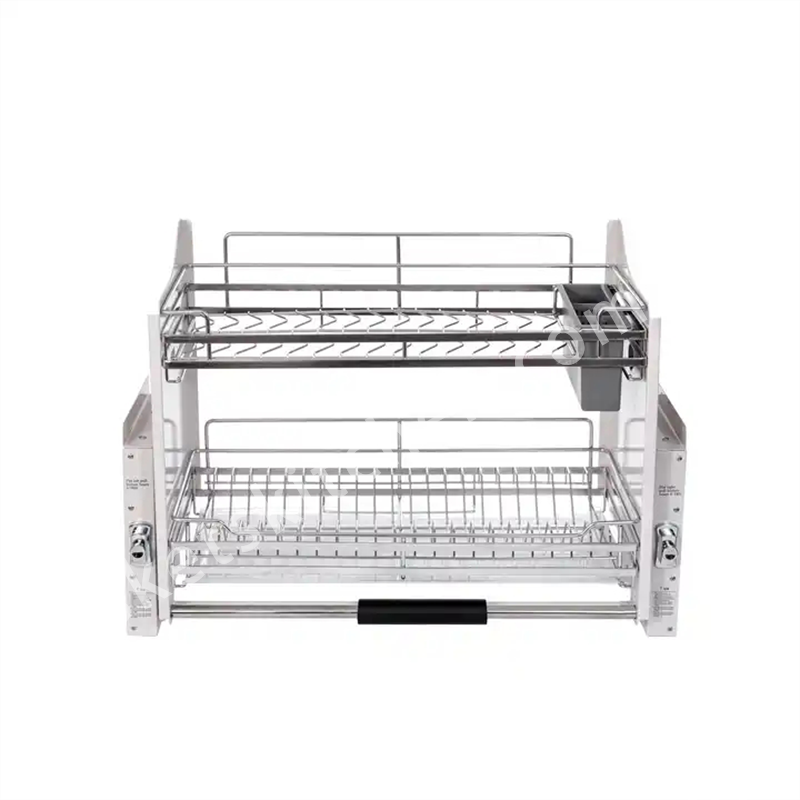
  • Upper cabinet organizers
  • Rotating kitchen baskets
  • Lazy Susan systems
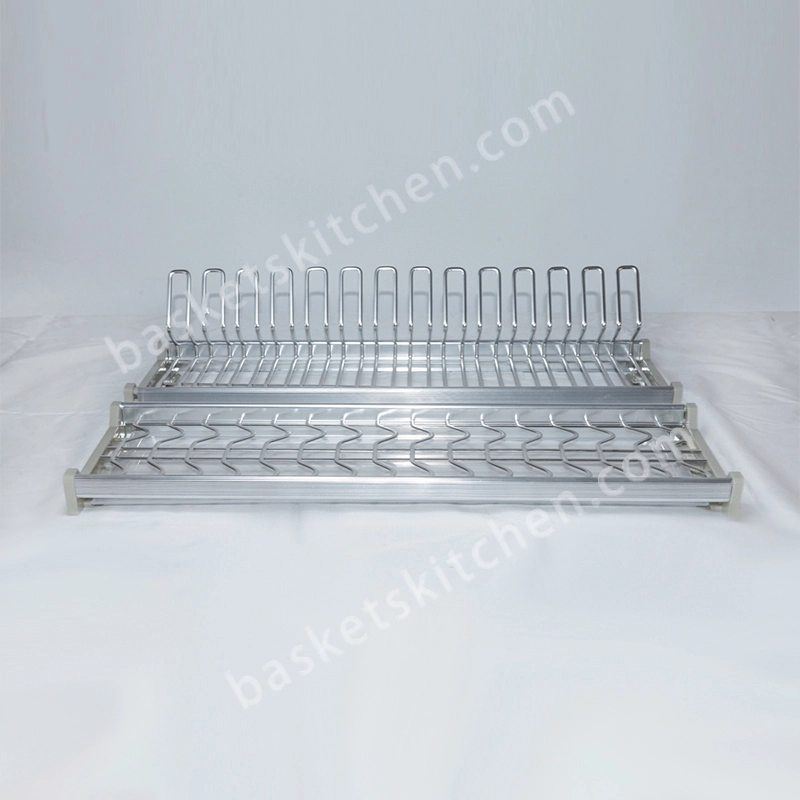
  • Dish storage baskets
  • Spice rack organizers
  • Other custom kitchen accessories

Products can be customized according to project requirements, including dimensions, materials, wire styles, surface finishes, branding, and packaging.

For wholesalers, distributors, importers, and small kitchen brands looking for private label products for small business, Baskets Kitchen provides a B2B manufacturing solution at Baskets Kitchen.


Frequently Asked Questions About Private Label Products for Small Business

1. What are the best private label products for a small business?

The best products depend on your target market and business model. For kitchen businesses, kitchen baskets, cabinet organizers, pull-out storage systems, spice racks, pantry organizers, and other kitchen accessories can provide private label opportunities.

2. Can a small business create its own product brand?

Yes. Private label manufacturing allows a small business to sell manufactured products under its own brand with customized branding and packaging.

3. Do I need my own factory to sell private label products?

No. Private label manufacturing allows businesses to outsource production to an experienced manufacturer.

4. Can private label products be customized?

Yes. Depending on the manufacturer, customization can include product dimensions, materials, finishes, logos, configurations, labels, and packaging.

5. What is the difference between private label and OEM?

Private label generally involves selling a manufacturer’s product under your own brand, often with customized branding and packaging. OEM involves manufacturing according to the buyer’s specific product requirements.

6. Can small businesses order custom kitchen accessories?

Yes. Small businesses can work with OEM manufacturers to develop customized kitchen baskets and cabinet storage accessories according to their target market and requirements.

7. How do I choose a private label manufacturer?

Look for manufacturing experience, product quality, OEM/ODM capabilities, customization options, production capacity, quality control, communication, and international B2B experience.

8. Can Baskets Kitchen provide private label kitchen products?

Yes. Baskets Kitchen provides OEM, ODM, and private label manufacturing for kitchen baskets, cabinet organizers, and other kitchen storage accessories for B2B customers.


Final Thoughts

Private label products for small business can provide an effective way to build a product brand without investing in your own manufacturing facility.

For businesses entering the kitchen hardware and kitchen storage market, products such as kitchen baskets, pull-out organizers, pantry systems, spice racks, blind corner organizers, and other cabinet accessories can provide opportunities for product differentiation and brand development.

The key is to start with a focused product range, understand your target customers, select a reliable manufacturer, test product samples, establish clear specifications, and build professional branding and packaging.

As your business grows, you can expand from private label products into more customized OEM and ODM kitchen accessories, creating a broader product portfolio and stronger brand identity.

For B2B customers looking for private label kitchen products, OEM kitchen baskets, custom kitchen accessories, and wholesale manufacturing, visit Baskets Kitchen.

Share This Story, Choose Your Platform!

About the author : Maruf Hossain

Leave A Comment

ten + sixteen =

Our OEM/ODM Kitchen Basket Category List
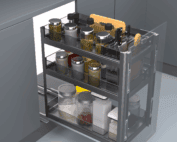
 

OEM Blind Corner Cabinet
Systems (6)

OEM Rotating Kitchen Baskets &Lazy Susans (3)

Kitchen Dish Drying Rack - OEM Manufacturer (2)

OEM Ancillary Cabinetry Components (4)

Our OEM/ODM Kitchen Basket Category List : 
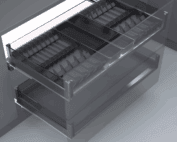
 

Our OEM/ODM Kitchen Basket Category List :